THE ADVENTURE COLLECTIVE® · Independent discovery and booking for outdoor travel

A day that combines a steep, glacial canyon hike with a calm packraft float on a high alpine lake. Guides provide gear, local natural history, and a small-group experience limited by permit.
A day that combines a steep, glacial canyon hike with a calm packraft float on a high alpine lake. Guides provide gear, local natural history, and a small-group experience limited by permit.
You push through a final stand of subalpine fir and emerge on a stony ridge above a glassy lake. Wind threads the surface; the guide hands you a paddle and pours hot tea as the packrafts are inflated — suddenly the day shifts from climb to quiet float.
Verified experiences and guided adventures in the surrounding area.
Operated by Bitterroot Backpacking · Hamilton, Montana
You push through a final stand of subalpine fir and emerge on a stony ridge above a glassy lake. Wind threads the surface; the guide hands you a paddle and pours hot tea as the packrafts are inflated — suddenly the day shifts from climb to quiet float.
The Bitterroot Mountains are carved by ice and time: steep headwalls, moraine shelves, and tributary gullies tell a glacial story visible in the canyon you hike. This valley sits within Bitterroot National Forest on ancestral lands of the Salish and Kootenai peoples; the bitterroot plant gave the range its name and still dots sunny talus in drought years.
The experience blends backcountry hiking (6–8 miles round-trip, >1,000 ft gain) with a guided packraft float on an alpine lake. Guides provide packrafts, PFDs, bear spray, trekking poles, snacks and interpretive talks about local plants, wildlife, and geology. Group size and permit rules limit rafts to four per outing, keeping the lake quiet and ecologically light-footed.
Practical notes: expect a rough final five-mile dirt approach to the trailhead and some seasonal creek crossings on trail. Morning starts reduce wind and maximize calm water for paddling. Wear grippy hiking shoes that dry quickly, layer for sudden mountain weather, and bring at least 2 liters of water or a filter. If you want photos from the water, use a compact dry bag — the lake’s low angle of light at golden hour makes for the best shots.
This trip suits hikers comfortable with steady climbs and unfamiliar water; the guide reduces technical risk but be prepared for micro-weather, alpine sun, and an active, wild landscape.
moderate.
6 hours.
Good aerobic fitness for sustained uphill hiking and the ability to carry a daypack over uneven terrain
No — guides provide basic instruction and gear; however, comfort on small non-motorized boats is helpful for confidence on the lake.
Youth tickets are offered; plan for slower pace and ensure children meet the group’s physical expectations — life jackets are provided.
Forest permit restrictions limit the group to four packrafts and guide-managed logistics to reduce impact.
Trips can be canceled for safety; operators will refund if canceled 24+ hours in advance or reschedule if conditions allow.
The Bitterroot range bears the name of the bitterroot plant and sits on lands used historically by the Salish and Kootenai peoples; glacial activity shaped the steep canyons and basins visitors see today.
Trips operate under a limited permit and emphasize Leave No Trace practices; staying on durable surfaces and packing out all waste reduces impact on fragile alpine soils.
Bitterroot Backpacking operates guided outdoor trips and adventures with an emphasis on safety, stewardship, and memorable experiences.
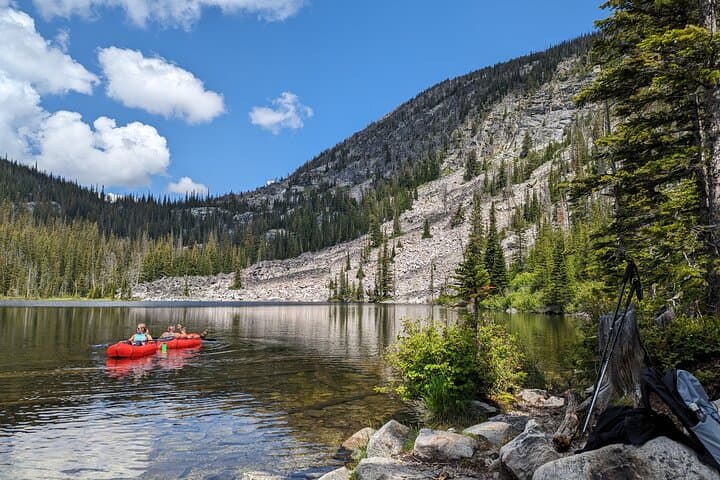
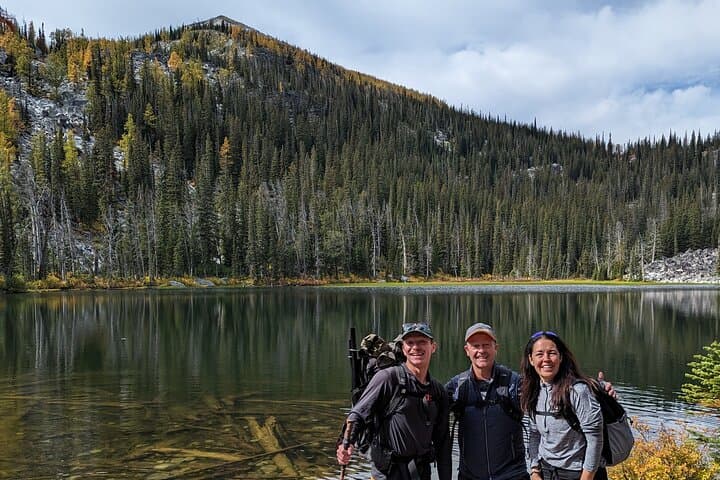
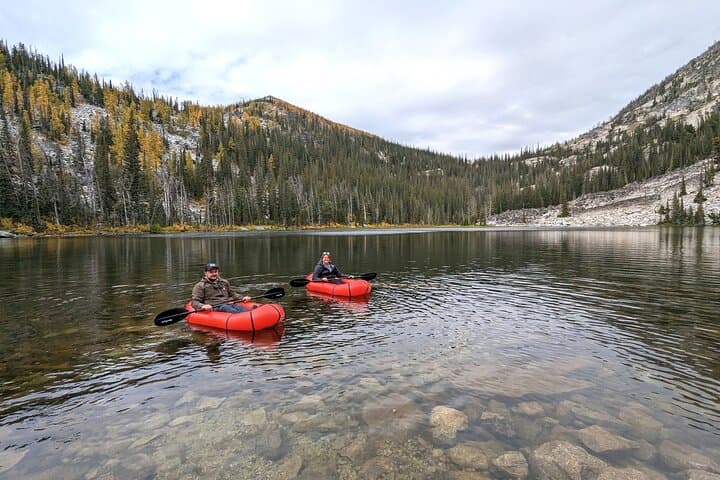
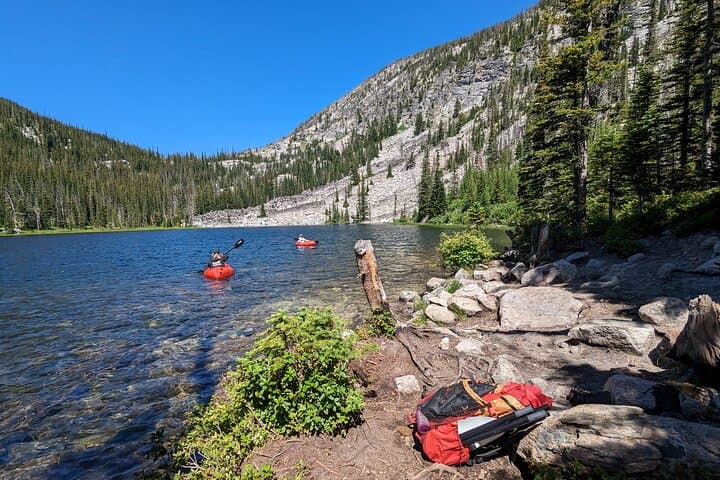
You push through a final stand of subalpine fir and emerge on a stony ridge above a glassy lake. Wind threads the surface; the guide hands you a paddle and pours hot tea as the packrafts are inflated — suddenly the day shifts from climb to quiet float.
You push through a final stand of subalpine fir and emerge on a stony ridge above a glassy lake. Wind threads the surface; the guide hands you a paddle and pours hot tea as the packrafts are inflated — suddenly the day shifts from climb to quiet float.
The Bitterroot Mountains are carved by ice and time: steep headwalls, moraine shelves, and tributary gullies tell a glacial story visible in the canyon you hike. This valley sits within Bitterroot National Forest on ancestral lands of the Salish and Kootenai peoples; the bitterroot plant gave the range its name and still dots sunny talus in drought years.
The experience blends backcountry hiking (6–8 miles round-trip, >1,000 ft gain) with a guided packraft float on an alpine lake. Guides provide packrafts, PFDs, bear spray, trekking poles, snacks and interpretive talks about local plants, wildlife, and geology. Group size and permit rules limit rafts to four per outing, keeping the lake quiet and ecologically light-footed.
Practical notes: expect a rough final five-mile dirt approach to the trailhead and some seasonal creek crossings on trail. Morning starts reduce wind and maximize calm water for paddling. Wear grippy hiking shoes that dry quickly, layer for sudden mountain weather, and bring at least 2 liters of water or a filter. If you want photos from the water, use a compact dry bag — the lake’s low angle of light at golden hour makes for the best shots.
This trip suits hikers comfortable with steady climbs and unfamiliar water; the guide reduces technical risk but be prepared for micro-weather, alpine sun, and an active, wild landscape.