THE ADVENTURE COLLECTIVE® · Independent discovery and booking for outdoor travel

A 17-day loop from Hanoi to Luang Prabang and Siem Reap that pairs UNESCO sites, Halong Bay cruising and Mekong river life. Expect guided city tours, archaeological visits, a Halong overnight cruise and short nature excursions.
A 17-day loop from Hanoi to Luang Prabang and Siem Reap that pairs UNESCO sites, Halong Bay cruising and Mekong river life. Expect guided city tours, archaeological visits, a Halong overnight cruise and short nature excursions.
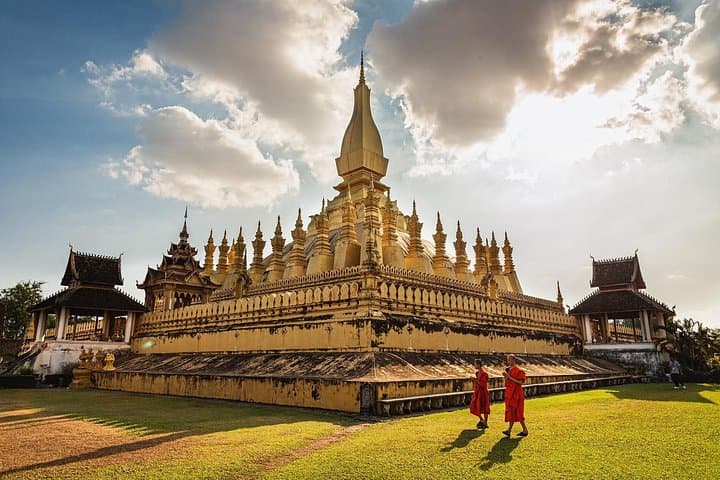
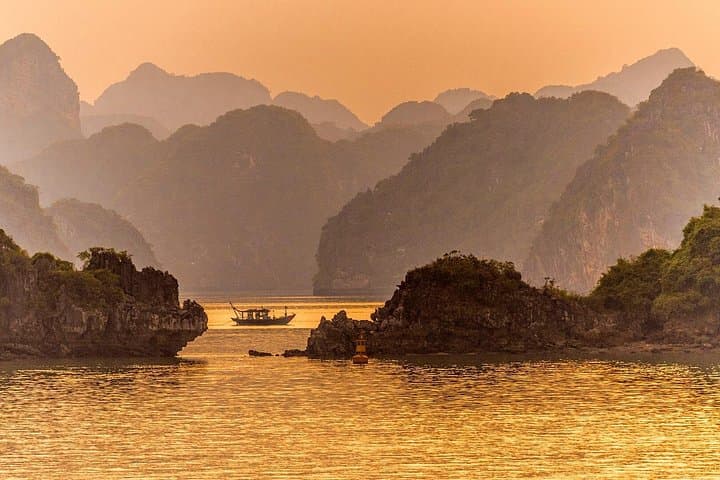
You step off the overnight train or bus in Hanoi as dawn washes the Old Quarter in soft light — motorbikes hum, market vendors call, and the scent of pho draws you toward the city’s arteries. Over the next 17 days this circuit moves like a compass across Southeast Asia: limestone karsts that thrust from Halong Bay’s glassy surface, the ochre bricks and bas-reliefs of Angkor’s temples, and the forested cascades around Luang Prabang’s Khoung Si waterfall.
Verified experiences and guided adventures in the surrounding area.
Operated by Crossing Vietnam Tour · Hanoi, Hanoi
You step off the overnight train or bus in Hanoi as dawn washes the Old Quarter in soft light — motorbikes hum, market vendors call, and the scent of pho draws you toward the city’s arteries. Over the next 17 days this circuit moves like a compass across Southeast Asia: limestone karsts that thrust from Halong Bay’s glassy surface, the ochre bricks and bas-reliefs of Angkor’s temples, and the forested cascades around Luang Prabang’s Khoung Si waterfall.
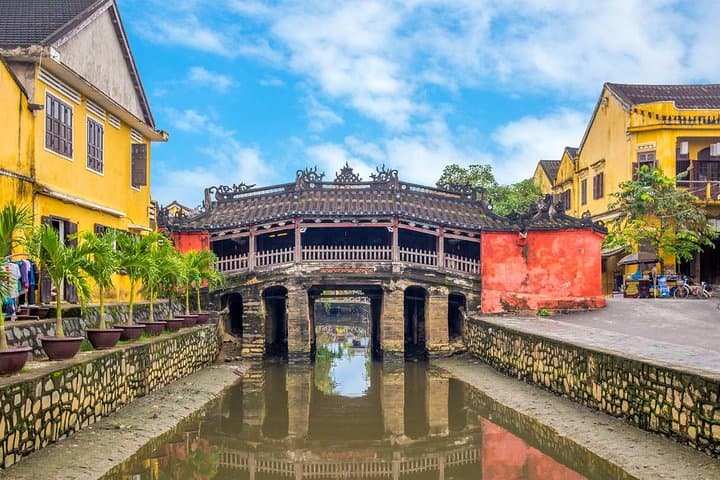
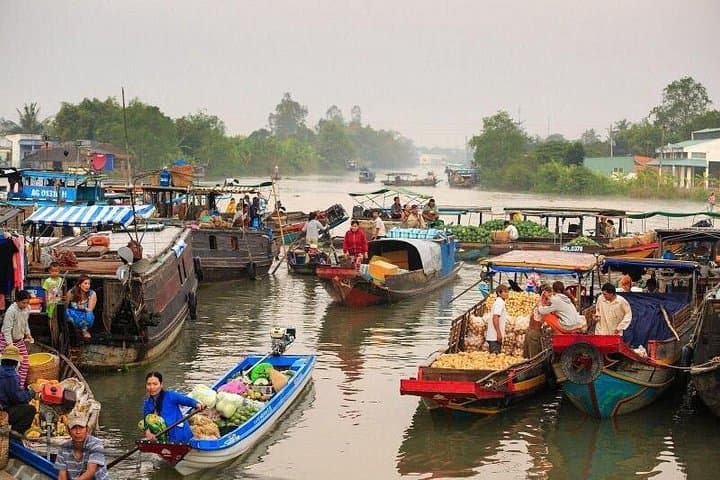
This route threads three distinct histories: centuries of Vietnamese imperial and colonial layers in Hanoi and Hue, the Khmer Empire’s monumental devotion at Angkor, and Lao monarchy and Buddhist scholarship in Luang Prabang. Geologically, Halong’s tower karsts are the product of millions of years of limestone dissolution; the Mekong’s braided channels carve the fertile Mekong Delta you’ll cross by sampan. Along the way local markets, riverside temples, and village sugar workshops reveal living crafts and foodways.
Practical guide: expect moderate travel days with local flights and several coach transfers, short guided walks at archaeological parks, and an overnight cruise on Halong Bay. Carry a daypack with rain layer, water, and comfortable walking shoes for uneven temple steps and wet trails. Start days early to avoid midday heat and crowds at Angkor; bring a refillable bottle and sun protection. Immigration and passport checks are routine — keep documents handy. The trip balances narrated history, natural scenery, and hands-on cultural stops — an itinerary for travelers who want steady rhythm, varied landscapes, and clear logistics rather than roughing it.
moderate.
17 days.
Good travel stamina and mobility for multiple short walks, some stairs, and several multi-hour transfers; suitable for most active adults.
Most travelers need visas for Cambodia and Laos; Vietnam entry requirements vary by nationality—check consular sites and arrange e-visas where available before travel.
Days balance guided city walks, monument visits, and travel; active but not extreme—expect early mornings and several multi-hour transfers.
The tour stays in 3-star hotels and a cruise cabin on Halong Bay, offering basic comfort with local character rather than luxury amenities.
Street food is popular and generally safe if freshly cooked; use bottled water for drinking and choose busy stalls with high turnover to minimize risk.
The route ties Vietnam’s dynastic and colonial legacies to the Khmer Empire’s monumental Angkor and Laos’ Lan Xang kingdom — each region showcasing different religious and political layers from the 9th–20th centuries.
Tourism pressures at Angkor and Halong have prompted visitor limits and conservation programs; choose certified operators, avoid single-use plastics, and respect restricted areas to minimize impact.
Crossing Vietnam Tour operates guided outdoor trips and adventures with an emphasis on safety, stewardship, and memorable experiences.
You step off the overnight train or bus in Hanoi as dawn washes the Old Quarter in soft light — motorbikes hum, market vendors call, and the scent of pho draws you toward the city’s arteries. Over the next 17 days this circuit moves like a compass across Southeast Asia: limestone karsts that thrust from Halong Bay’s glassy surface, the ochre bricks and bas-reliefs of Angkor’s temples, and the forested cascades around Luang Prabang’s Khoung Si waterfall.
You step off the overnight train or bus in Hanoi as dawn washes the Old Quarter in soft light — motorbikes hum, market vendors call, and the scent of pho draws you toward the city’s arteries. Over the next 17 days this circuit moves like a compass across Southeast Asia: limestone karsts that thrust from Halong Bay’s glassy surface, the ochre bricks and bas-reliefs of Angkor’s temples, and the forested cascades around Luang Prabang’s Khoung Si waterfall.
This route threads three distinct histories: centuries of Vietnamese imperial and colonial layers in Hanoi and Hue, the Khmer Empire’s monumental devotion at Angkor, and Lao monarchy and Buddhist scholarship in Luang Prabang. Geologically, Halong’s tower karsts are the product of millions of years of limestone dissolution; the Mekong’s braided channels carve the fertile Mekong Delta you’ll cross by sampan. Along the way local markets, riverside temples, and village sugar workshops reveal living crafts and foodways.
Practical guide: expect moderate travel days with local flights and several coach transfers, short guided walks at archaeological parks, and an overnight cruise on Halong Bay. Carry a daypack with rain layer, water, and comfortable walking shoes for uneven temple steps and wet trails. Start days early to avoid midday heat and crowds at Angkor; bring a refillable bottle and sun protection. Immigration and passport checks are routine — keep documents handy. The trip balances narrated history, natural scenery, and hands-on cultural stops — an itinerary for travelers who want steady rhythm, varied landscapes, and clear logistics rather than roughing it.