THE ADVENTURE COLLECTIVE® · Independent discovery and booking for outdoor travel

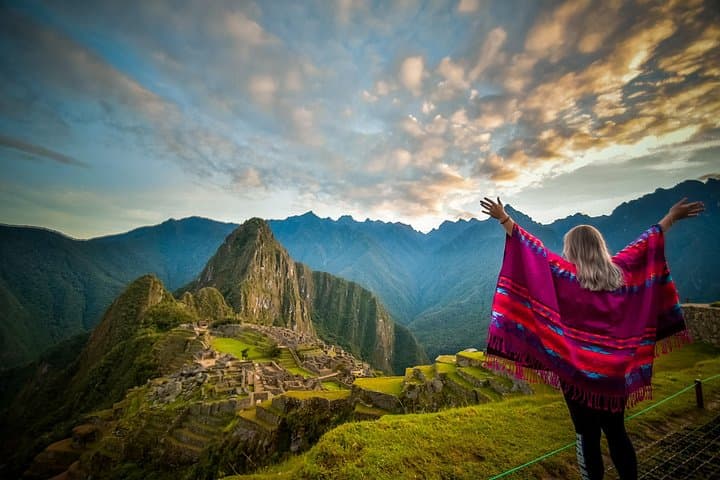
Travel from the stone streets of Cusco through the Sacred Valley to Machu Picchu and Rainbow Mountain on an eight-day guided route. Expect high-altitude hikes, living Andean communities, and dramatic glacial lakes—plan for layers, hydration, and advance train tickets.
Travel from the stone streets of Cusco through the Sacred Valley to Machu Picchu and Rainbow Mountain on an eight-day guided route. Expect high-altitude hikes, living Andean communities, and dramatic glacial lakes—plan for layers, hydration, and advance train tickets.
The first morning in Cusco greets travelers with a thin, bright air that seems to sharpen every detail—stone streets, carved portals and the distant sweep of snow on the high peaks. Groups step out from the Plaza de Armas, guided through colonial churches that sit on Inca foundations, then climb into the Andes where terraces and ridgelines shape the route ahead.
Verified experiences and guided adventures in the surrounding area.
Operated by Natventure Expeditions · Cusco, Cusco
The first morning in Cusco greets travelers with a thin, bright air that seems to sharpen every detail—stone streets, carved portals and the distant sweep of snow on the high peaks. Groups step out from the Plaza de Armas, guided through colonial churches that sit on Inca foundations, then climb into the Andes where terraces and ridgelines shape the route ahead.
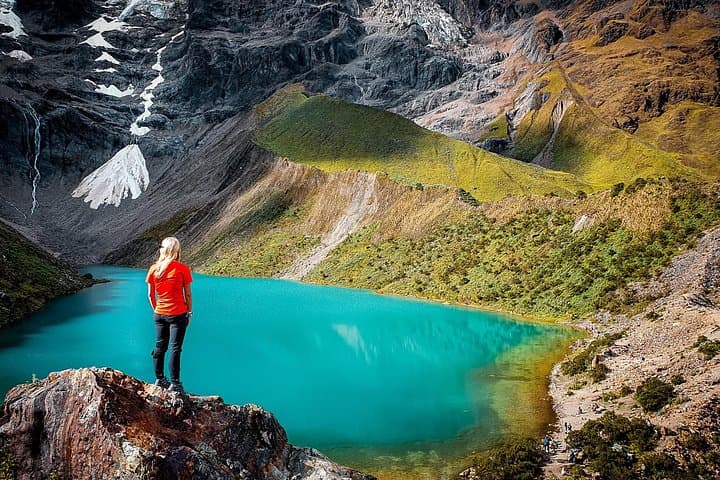
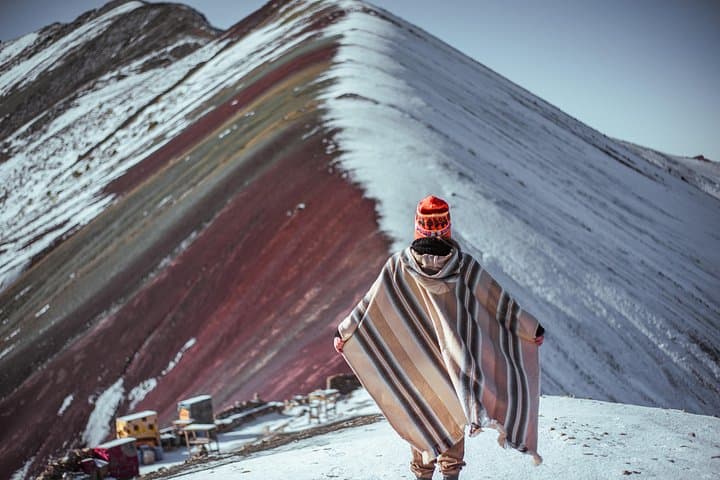
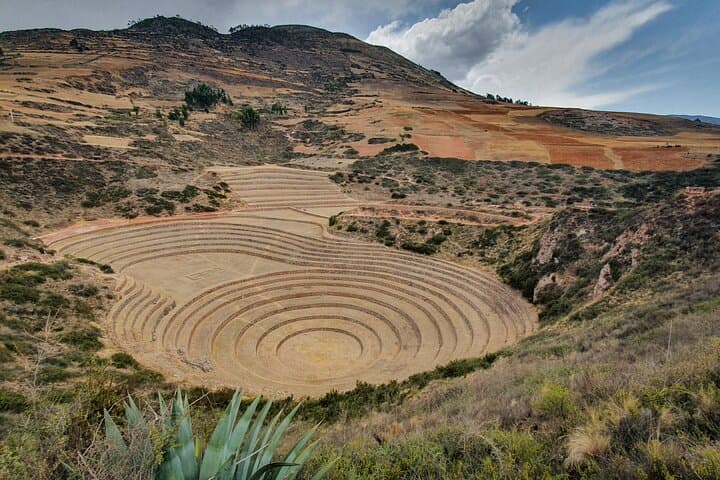
This eight-day itinerary threads history and geology: city streets built on Inca masonry, salt pans and terraces shaped by ancient agricultural engineering, and volcanic-and-glacial geology that gives rise to the turquoise of Humantay Lake and the striped strata of Vinicunca (Rainbow Mountain). Local communities in the Sacred Valley keep living traditions—potato cultivation, weaving and festivals—alive, offering cultural context to the stonework at Ollantaytambo and Pisaq.
Expect a mix of guided city walking, valley drives, moderate to steep hikes at 3,800–4,800 m, and an interpretive visit to Machu Picchu. Trails vary from packed dirt to rocky uphill switchbacks; mornings are cold and sun strong by midday. Guides emphasize altitude pacing—your first days are for acclimatizing before the highest treks.
Practically: carry layered clothing, hydrate deliberately, and budget extra time for short breaks on uphill sections. Bring cash for small community markets and buy train tickets to Machu Picchu in advance. With steady preparation, the tour balances cultural discovery and high-Andean hiking—an immersive route through Peru’s living past and dramatic mountain landscapes.
challenging.
8 days.
Participants should be in good cardiovascular shape and comfortable with uphill hiking at high altitude; expect several days with sustained climbs to 4,000+ m.
No special vaccinations are universally required, but routine vaccinations should be up to date; Machu Picchu requires timed-entry tickets which you should purchase in advance.
Hikes range from easy city walking to challenging high-altitude treks lasting 3–6 hours with steep sections—pacing and acclimatization are important.
Mild altitude symptoms are common; the itinerary allows acclimatization time, but those with cardiovascular issues should consult a physician before travel.
Peruvian sol (PEN) is used for markets and tips; Spanish and Quechua are widely spoken—basic Spanish phrases help in rural communities.
Cusco was the imperial capital of the Inca Empire; many colonial buildings were constructed atop carefully fitted Inca stone foundations, blending two eras in the urban fabric.
Visitor pressure at Machu Picchu and Rainbow Mountain has led to stricter entry quotas and trail management—support community initiatives and follow leave-no-trace practices to reduce impact.
Natventure Expeditions operates guided outdoor trips and adventures with an emphasis on safety, stewardship, and memorable experiences.
The first morning in Cusco greets travelers with a thin, bright air that seems to sharpen every detail—stone streets, carved portals and the distant sweep of snow on the high peaks. Groups step out from the Plaza de Armas, guided through colonial churches that sit on Inca foundations, then climb into the Andes where terraces and ridgelines shape the route ahead.
The first morning in Cusco greets travelers with a thin, bright air that seems to sharpen every detail—stone streets, carved portals and the distant sweep of snow on the high peaks. Groups step out from the Plaza de Armas, guided through colonial churches that sit on Inca foundations, then climb into the Andes where terraces and ridgelines shape the route ahead.
This eight-day itinerary threads history and geology: city streets built on Inca masonry, salt pans and terraces shaped by ancient agricultural engineering, and volcanic-and-glacial geology that gives rise to the turquoise of Humantay Lake and the striped strata of Vinicunca (Rainbow Mountain). Local communities in the Sacred Valley keep living traditions—potato cultivation, weaving and festivals—alive, offering cultural context to the stonework at Ollantaytambo and Pisaq.
Expect a mix of guided city walking, valley drives, moderate to steep hikes at 3,800–4,800 m, and an interpretive visit to Machu Picchu. Trails vary from packed dirt to rocky uphill switchbacks; mornings are cold and sun strong by midday. Guides emphasize altitude pacing—your first days are for acclimatizing before the highest treks.
Practically: carry layered clothing, hydrate deliberately, and budget extra time for short breaks on uphill sections. Bring cash for small community markets and buy train tickets to Machu Picchu in advance. With steady preparation, the tour balances cultural discovery and high-Andean hiking—an immersive route through Peru’s living past and dramatic mountain landscapes.