THE ADVENTURE COLLECTIVE® · Independent discovery and booking for outdoor travel

A brisk four-hour shore excursion that threads ferries, tuk‑tuks, local buses and footpaths to deliver Kochi’s main sights—Chinese fishing nets, the Jewish quarter, Dutch Palace and colonial churches. Ideal for cruise passengers who want a concentrated cultural and culinary snapshot of the city.
A brisk four-hour shore excursion that threads ferries, tuk‑tuks, local buses and footpaths to deliver Kochi’s main sights—Chinese fishing nets, the Jewish quarter, Dutch Palace and colonial churches. Ideal for cruise passengers who want a concentrated cultural and culinary snapshot of the city.
The morning air on Kochi’s waterfront tastes faintly of salt and cloves; the sea nudges the shore while fishing nets creak like sails frozen mid-pull. You meet your guide at the cruise terminal and, within minutes, step onto a local ferry that threads between islands, delivering a lived-in view of the city—rusted hulls, laundry lines, and children chasing the wake.
Verified experiences and guided adventures in the surrounding area.
Operated by Carnival Tours Kochi · Kochi, Kerala
The morning air on Kochi’s waterfront tastes faintly of salt and cloves; the sea nudges the shore while fishing nets creak like sails frozen mid-pull. You meet your guide at the cruise terminal and, within minutes, step onto a local ferry that threads between islands, delivering a lived-in view of the city—rusted hulls, laundry lines, and children chasing the wake.
This compact four-hour route stitches together layers of Kochi’s past: Portuguese chapels, Dutch palaces, and the Jewish quarter whose synagogue holds iridescent Belgian chandeliers and silk portraits of a once-thriving mercantile community. Geologically the backwater coast is recent—marine plains and reclaimed land shaped by monsoon-driven rivers—so the city sits low, its streets and waterways defining daily movement more than elevation.
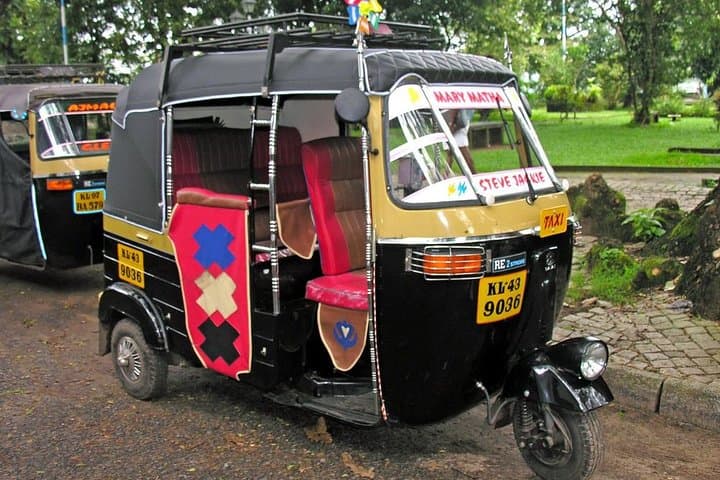
Culturally the tour is kinetic: tuk‑tuks buzzing through narrow lanes, spice vendors framing the aroma of pepper and cardamom, dhobi khanas where washers haul garments in iron tubs. Expect quick stops at Chinese fishing nets, St. Francis Church, Mattancherry Palace and Jew Town; each site gives a different aperture on trade, faith, and migration that built modern Kochi.
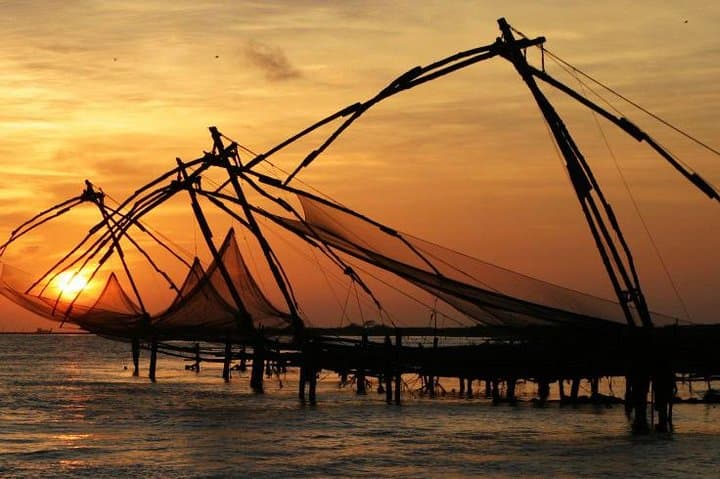
Practical guidance: wear broken‑in walking shoes and sun protection; short ferry platforms and uneven cobbles require steady footing. Carry small-denomination cash for market purchases, and plan for humidity—light, breathable layers work best. If you want photographs of the nets at golden hour, schedule early in the morning. The tour covers about 6–8 km of walking and transfers on mixed‑mode transport, making it accessible for most travelers who can manage short walks and steps.
easy.
4 hours.
Suitable for travelers comfortable with short walks (several 10–20 minute stretches), boarding ferries and getting in/out of tuk‑tuks; not strenuous.
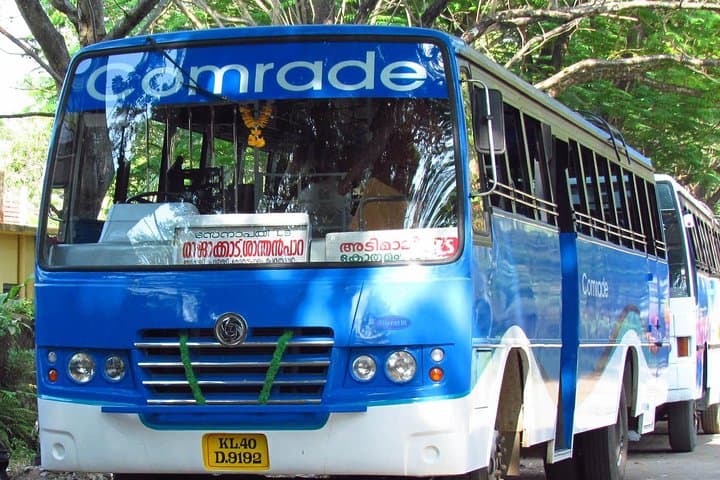
The tour lasts about four hours and moves at a steady, accessible pace with short guided stops and transfers by ferry, tuk‑tuk and local bus; expect a mix of walking and vehicle time.
This itinerary involves ferry boarding, uneven cobbles and steps; it’s not recommended for travelers with significant mobility limitations or who require a wheelchair.
Yes, the itinerary notes admission included for key stops like the Synagogue and Dutch Palace, but bring ID in case of group-ticket checks.
Yes—Jew Town and the spice market are ideal for buying whole spices, antiques and handicrafts; carry small cash and verify authenticity when purchasing antiques.
Kochi’s identity formed around maritime trade: Portuguese arrival in the 1500s, followed by Dutch and British influence, and a longstanding Jewish trading community concentrated in Mattancherry.
Many heritage structures face wear from humidity and salt air; support local conservation by following site rules, avoiding single-use plastics and buying from licensed vendors.
Carnival Tours Kochi operates guided outdoor trips and adventures with an emphasis on safety, stewardship, and memorable experiences.
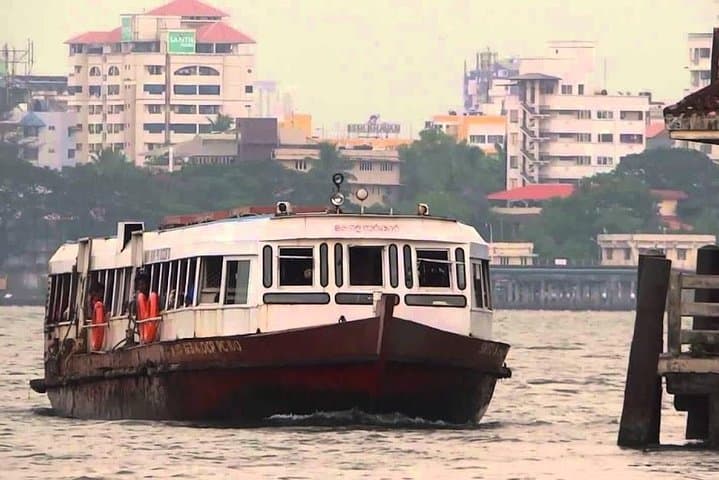
The morning air on Kochi’s waterfront tastes faintly of salt and cloves; the sea nudges the shore while fishing nets creak like sails frozen mid-pull. You meet your guide at the cruise terminal and, within minutes, step onto a local ferry that threads between islands, delivering a lived-in view of the city—rusted hulls, laundry lines, and children chasing the wake.
The morning air on Kochi’s waterfront tastes faintly of salt and cloves; the sea nudges the shore while fishing nets creak like sails frozen mid-pull. You meet your guide at the cruise terminal and, within minutes, step onto a local ferry that threads between islands, delivering a lived-in view of the city—rusted hulls, laundry lines, and children chasing the wake.
This compact four-hour route stitches together layers of Kochi’s past: Portuguese chapels, Dutch palaces, and the Jewish quarter whose synagogue holds iridescent Belgian chandeliers and silk portraits of a once-thriving mercantile community. Geologically the backwater coast is recent—marine plains and reclaimed land shaped by monsoon-driven rivers—so the city sits low, its streets and waterways defining daily movement more than elevation.
Culturally the tour is kinetic: tuk‑tuks buzzing through narrow lanes, spice vendors framing the aroma of pepper and cardamom, dhobi khanas where washers haul garments in iron tubs. Expect quick stops at Chinese fishing nets, St. Francis Church, Mattancherry Palace and Jew Town; each site gives a different aperture on trade, faith, and migration that built modern Kochi.
Practical guidance: wear broken‑in walking shoes and sun protection; short ferry platforms and uneven cobbles require steady footing. Carry small-denomination cash for market purchases, and plan for humidity—light, breathable layers work best. If you want photographs of the nets at golden hour, schedule early in the morning. The tour covers about 6–8 km of walking and transfers on mixed‑mode transport, making it accessible for most travelers who can manage short walks and steps.