THE ADVENTURE COLLECTIVE® · Independent discovery and booking for outdoor travel

Walk the museum’s grand halls with a guide who threads natural history, geology and cultural context into a 2.5-hour highlights tour. See Sophie the Stegosaurus, the Dodo, moon rocks and a Giant Sequoia cross-section while learning practical tips for timing, accessibility and family visits.
Walk the museum’s grand halls with a guide who threads natural history, geology and cultural context into a 2.5-hour highlights tour. See Sophie the Stegosaurus, the Dodo, moon rocks and a Giant Sequoia cross-section while learning practical tips for timing, accessibility and family visits.
You step through the grand Romanesque arch and the building exhales a cool, museum-scented hush: polished stone floors, display cases catching light, and a plaster Stegosaurus vertebra that seems to lean toward you like a curious neighbor. The guided highlights tour moves with purpose—curators’ stories and specimen labels folding into one clear narrative as you pass Sophie the Stegosaurus, the rare Dodo, and the feathered Archaeopteryx.
Verified experiences and guided adventures in the surrounding area.
Operated by The Great Weekender · London, Greater London
You step through the grand Romanesque arch and the building exhales a cool, museum-scented hush: polished stone floors, display cases catching light, and a plaster Stegosaurus vertebra that seems to lean toward you like a curious neighbor. The guided highlights tour moves with purpose—curators’ stories and specimen labels folding into one clear narrative as you pass Sophie the Stegosaurus, the rare Dodo, and the feathered Archaeopteryx.
The museum opened in the late 19th century as Britain’s scientific collections expanded; its galleries chart deep time, volcanic rock, and planetary fragments—moon and Mars samples that make the solar system feel within reach. The Giant Sequoia cross-section sits like a living calendar: its rings count climate and human seasons. Cultural threads run through the exhibits too, from Victorian collecting practices to modern conservation science and the museum’s role in biodiversity research.
Practical guidance is straightforward: the standard guided tour runs about 2.5 hours and covers main highlights—expect walking on hard floors and short standing periods. Arrive 20–30 minutes early to pass security and join your group; peak crowding occurs midafternoon, especially on weekends and school holidays. Photography is generally allowed but follow any exhibit-specific restrictions; large bags are discouraged and can be checked. The venue is wheelchair and stroller accessible with elevators and ramps. For families, the guide keeps explanations clear and paced for a mix of ages.
Bring comfortable shoes, a light layer (galleries can be cool), and a small water bottle. With a guide, the museum’s specimens stop being static objects and instead begin to argue, whisper, and point—history and science nudging you to look closer.
easy.
2–3 hours.
Suitable for all fitness levels; requires standing and moderate walking on hard surfaces
Yes—the museum and this guided tour are wheelchair and stroller accessible, with ramps, elevators and accessible restrooms; contact the provider for specific arrangements.
Admission is included with this guided highlights tour as described; bring your mobile ticket and ID if required.
The tour lasts approximately 150 minutes and is family-friendly—guides adapt explanations for mixed-age groups, though younger children may need breaks.
Photography is generally allowed without flash; some specimens or temporary exhibits may prohibit photos—follow posted signs and the guide’s instructions.
Opened in the 1880s from the British Museum’s natural history collection, the institution has long combined public display with scientific research linked to Darwin-era inquiry.
The museum plays an active role in specimen-based conservation science and public education; visitors can support preservation by following exhibit rules and avoiding flash photography and touching displays.
The Great Weekender operates guided outdoor trips and adventures with an emphasis on safety, stewardship, and memorable experiences.
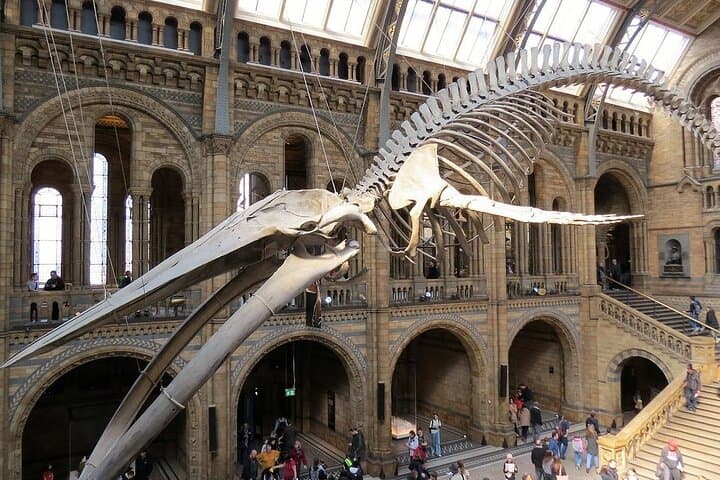
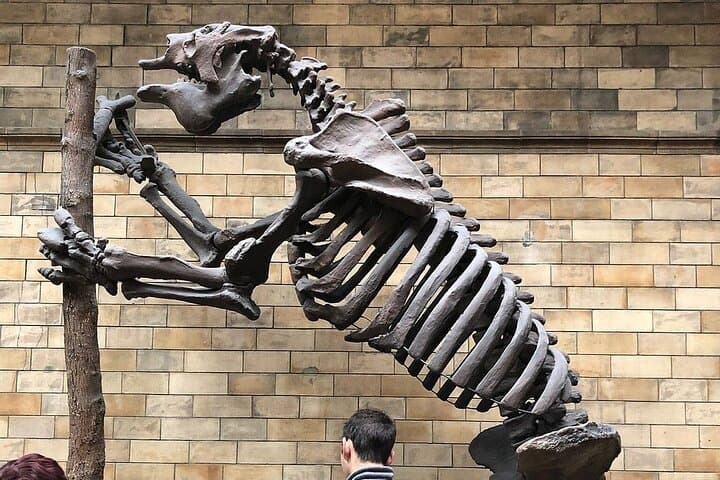
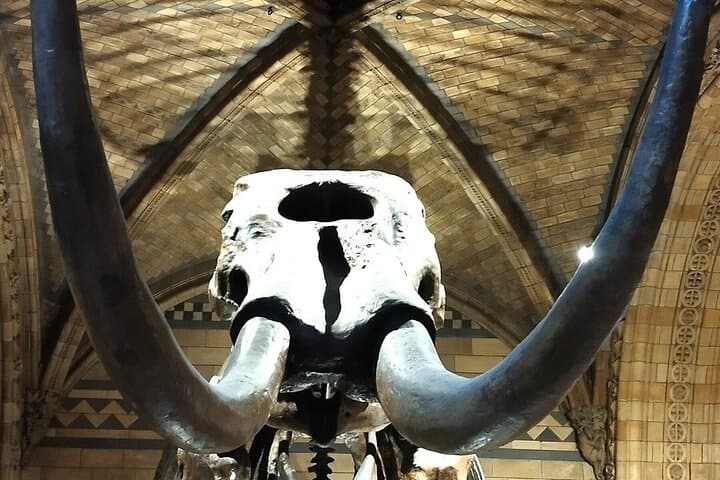
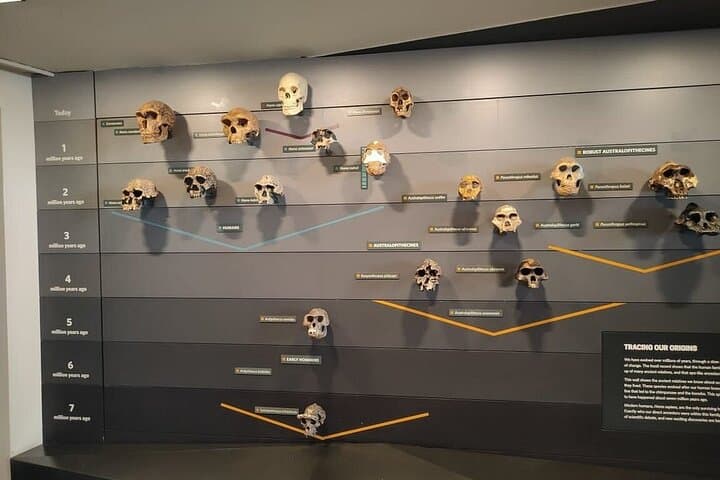
You step through the grand Romanesque arch and the building exhales a cool, museum-scented hush: polished stone floors, display cases catching light, and a plaster Stegosaurus vertebra that seems to lean toward you like a curious neighbor. The guided highlights tour moves with purpose—curators’ stories and specimen labels folding into one clear narrative as you pass Sophie the Stegosaurus, the rare Dodo, and the feathered Archaeopteryx.
You step through the grand Romanesque arch and the building exhales a cool, museum-scented hush: polished stone floors, display cases catching light, and a plaster Stegosaurus vertebra that seems to lean toward you like a curious neighbor. The guided highlights tour moves with purpose—curators’ stories and specimen labels folding into one clear narrative as you pass Sophie the Stegosaurus, the rare Dodo, and the feathered Archaeopteryx.
The museum opened in the late 19th century as Britain’s scientific collections expanded; its galleries chart deep time, volcanic rock, and planetary fragments—moon and Mars samples that make the solar system feel within reach. The Giant Sequoia cross-section sits like a living calendar: its rings count climate and human seasons. Cultural threads run through the exhibits too, from Victorian collecting practices to modern conservation science and the museum’s role in biodiversity research.
Practical guidance is straightforward: the standard guided tour runs about 2.5 hours and covers main highlights—expect walking on hard floors and short standing periods. Arrive 20–30 minutes early to pass security and join your group; peak crowding occurs midafternoon, especially on weekends and school holidays. Photography is generally allowed but follow any exhibit-specific restrictions; large bags are discouraged and can be checked. The venue is wheelchair and stroller accessible with elevators and ramps. For families, the guide keeps explanations clear and paced for a mix of ages.
Bring comfortable shoes, a light layer (galleries can be cool), and a small water bottle. With a guide, the museum’s specimens stop being static objects and instead begin to argue, whisper, and point—history and science nudging you to look closer.