THE ADVENTURE COLLECTIVE® · Independent discovery and booking for outdoor travel

Spend a full day moving from Bronze Age cairns through battlefield moor to castle gardens and the shores of Loch Ness. This private tour blends archaeology, Jacobite history, and Highland farm life in an accessible 8–9 hour route.
Spend a full day moving from Bronze Age cairns through battlefield moor to castle gardens and the shores of Loch Ness. This private tour blends archaeology, Jacobite history, and Highland farm life in an accessible 8–9 hour route.
Wind lifts off the Moray Firth as the vehicle eases away from Invergordon Cruise Port, the Highlands opening in peat-dark folds and abrupt ridgelines. Travelers step straight into deep-time at Clava Cairns — low stone rings and passage graves that keep Bronze Age alignments and an austere quiet that feels older than the road that brought you.
Verified experiences and guided adventures in the surrounding area.
Operated by ATom Tours Scotland · Inverness, Highland
Wind lifts off the Moray Firth as the vehicle eases away from Invergordon Cruise Port, the Highlands opening in peat-dark folds and abrupt ridgelines. Travelers step straight into deep-time at Clava Cairns — low stone rings and passage graves that keep Bronze Age alignments and an austere quiet that feels older than the road that brought you.
The route tightens around human drama at Culloden Battlefield, where wind-scoured heather marks the ground of the 1746 clash that reshaped Highland society. The visitor centre gives context: troop movements, clan losses, and the legal aftermath that altered land and culture.
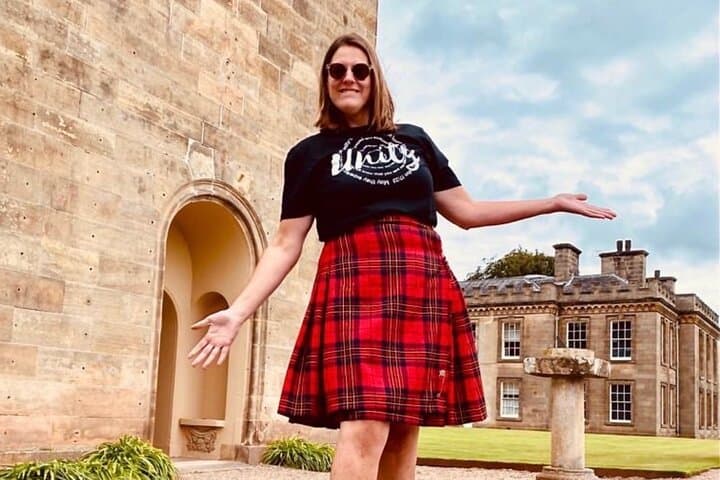
A change of pace brings Cawdor Castle’s tower house, intimate interiors, and formal gardens backed by the Cawdor Big Wood — a place to notice old-growth oak and the layering of local horticulture. Geology is plain on the drive: glacial troughs, peat beds that sequester carbon, and then Loch Ness itself — a glowering, glacially carved basin that dares you to scan its glassy surface.
Practical guidance: this private, full-day tour lasts about 8–9 hours with multiple short stops and two longer visits; walking is generally short but surfaces range from paved visitor-centre paths to uneven moorland and graveled castle trails. In winter (Oct–Apr) the operator may swap Urquhart Castle into the schedule. Pack waterproof layers, sturdy footwear, insect repellent in summer, and a charged camera. Expect variable weather and mud underfoot; pace the day for photos and quiet moments. The experience blends archaeology, battlefield history, and working-farm glimpses of Highland life — a compact, walkable survey of what makes this region distinct.
easy.
8–9 hours.
Suitable for most fitness levels — involves short walks (10–30 minutes) over uneven ground and some standing at sites.
Admissions are not included in the base tour price; the itinerary lists attractions visited and any entrance fees are paid on-site or pre-booked if requested.
Yes — the tour is described as suitable for all fitness levels, with mostly short walks; notify the operator of mobility needs when booking for tailored pickup and pacing.
Pick-up options include Inverness and Invergordon Cruise Port; confirm your pickup point at booking and allow time for coastal-to-inland transit.
The tour can be cancelled for a full refund if booked cancellation rules apply; otherwise the guide will adapt plans (indoor exhibits, shorter outdoor stops) to safety and comfort.
The route spans 4,000 years, from Bronze Age burial cairns at Clava to the 1746 Culloden Battlefield, where Jacobite and Hanoverian forces fought with consequences that reshaped Highland life.
Peatland restoration and visitor-management at sensitive sites aim to reduce erosion and protect archaeology; stay on marked paths and avoid disturbing wildlife or historic structures.
ATom Tours Scotland operates guided outdoor trips and adventures with an emphasis on safety, stewardship, and memorable experiences.

Wind lifts off the Moray Firth as the vehicle eases away from Invergordon Cruise Port, the Highlands opening in peat-dark folds and abrupt ridgelines. Travelers step straight into deep-time at Clava Cairns — low stone rings and passage graves that keep Bronze Age alignments and an austere quiet that feels older than the road that brought you.
Wind lifts off the Moray Firth as the vehicle eases away from Invergordon Cruise Port, the Highlands opening in peat-dark folds and abrupt ridgelines. Travelers step straight into deep-time at Clava Cairns — low stone rings and passage graves that keep Bronze Age alignments and an austere quiet that feels older than the road that brought you.
The route tightens around human drama at Culloden Battlefield, where wind-scoured heather marks the ground of the 1746 clash that reshaped Highland society. The visitor centre gives context: troop movements, clan losses, and the legal aftermath that altered land and culture.
A change of pace brings Cawdor Castle’s tower house, intimate interiors, and formal gardens backed by the Cawdor Big Wood — a place to notice old-growth oak and the layering of local horticulture. Geology is plain on the drive: glacial troughs, peat beds that sequester carbon, and then Loch Ness itself — a glowering, glacially carved basin that dares you to scan its glassy surface.
Practical guidance: this private, full-day tour lasts about 8–9 hours with multiple short stops and two longer visits; walking is generally short but surfaces range from paved visitor-centre paths to uneven moorland and graveled castle trails. In winter (Oct–Apr) the operator may swap Urquhart Castle into the schedule. Pack waterproof layers, sturdy footwear, insect repellent in summer, and a charged camera. Expect variable weather and mud underfoot; pace the day for photos and quiet moments. The experience blends archaeology, battlefield history, and working-farm glimpses of Highland life — a compact, walkable survey of what makes this region distinct.