THE ADVENTURE COLLECTIVE® · Independent discovery and booking for outdoor travel

Spend a day above the clouds in Nuwara Eliya—tea terraces, waterfalls, and colonial hill-station charm packed into an accessible highland loop. This practical guide tells you what to expect, where to go, and how to prepare.
Spend a day above the clouds in Nuwara Eliya—tea terraces, waterfalls, and colonial hill-station charm packed into an accessible highland loop. This practical guide tells you what to expect, where to go, and how to prepare.
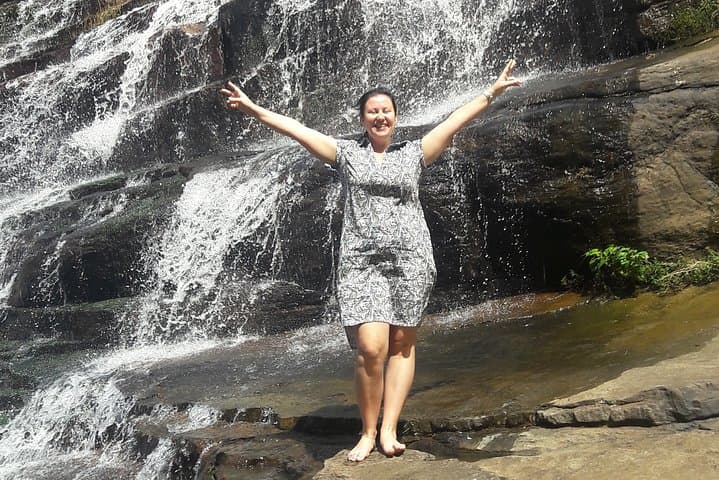
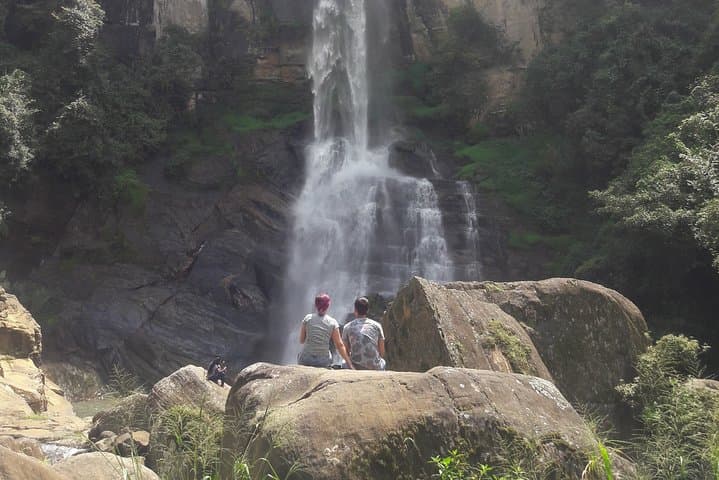
A cool mist presses against your jacket as the first tea-pluckers appear like punctuation along the ridge—this is Nuwara Eliya in the highlands of Sri Lanka, where colonial-era houses face emerald terraces and waterfalls cut deep gullies into ancient rock.
Verified experiences and guided adventures in the surrounding area.
Operated by D&D Tours · Nuwara Eliya, Central Province
A cool mist presses against your jacket as the first tea-pluckers appear like punctuation along the ridge—this is Nuwara Eliya in the highlands of Sri Lanka, where colonial-era houses face emerald terraces and waterfalls cut deep gullies into ancient rock.
The town sits at roughly 1,868 m (6,128 ft), formed on the uplifted Central Highlands carved from Precambrian charnockite and gneiss. British planters converted cloud forests into tea estates in the late 19th century; those hills still shape local life and economy. You’ll move between short village walks, a working tea factory, scattered waterfalls, and manicured parks—each stop a piece of cultural geography: Tamils and Sinhalese working the estates, vendors selling fresh strawberries, and a clubhouse or two from the hill-station era.
Expect narrow, winding roads linking sights; most on-foot sections are short (1–3 km) but include steep streets and slick stone steps near streams. Weather shifts fast—sun can give way to drizzle within an hour. Bring layers and waterproofs; keep a small daypack for purchases and camera gear. Allow extra time for traffic and farm-to-town pace; a private guide will handle logistics and point out lesser-known viewpoints, tea-processing stages, and seasonal blooms.
Practical route: circulate between Gregory Lake, a tea factory visit, a roadside waterfall, and Victoria Park or Hakgala Gardens. Keep hydration, modest footwear, and respectful curiosity—tea estates are workplaces. With steady footwear and a flexible schedule, a day here feels both easy to navigate and richly textured: the highland air pushing you forward, the hills quietly keeping time.
moderate.
4–8 hours.
Suitable for travelers who can manage short uphill walks (1–3 km) and several flights of stairs; basic mobility required.
Most private day tours run 4–8 hours depending on pickup location and stops; itineraries are flexible and can be shortened or extended by agreement.
Guides usually arrange a factory tour and tea tasting, but some factories may charge an entrance fee—confirm with your operator beforehand.
At around 1,868 m, most people won’t experience severe effects, but cool temperatures and slightly thinner air mean you should pace yourself and stay hydrated.
Yes, though caregivers should note some steep sections and slippery steps; ask for reduced walking itineraries if mobility is limited.
Nuwara Eliya evolved as a British hill station in the 19th century and became the center of Sri Lanka’s tea industry; many estates remain family-run or corporate plantations today.
The montane environment is fragile—stick to paths, avoid disturbing plantation workers, and minimize plastic waste to reduce local impact.
D&D Tours operates guided outdoor trips and adventures with an emphasis on safety, stewardship, and memorable experiences.
A cool mist presses against your jacket as the first tea-pluckers appear like punctuation along the ridge—this is Nuwara Eliya in the highlands of Sri Lanka, where colonial-era houses face emerald terraces and waterfalls cut deep gullies into ancient rock.
A cool mist presses against your jacket as the first tea-pluckers appear like punctuation along the ridge—this is Nuwara Eliya in the highlands of Sri Lanka, where colonial-era houses face emerald terraces and waterfalls cut deep gullies into ancient rock.
The town sits at roughly 1,868 m (6,128 ft), formed on the uplifted Central Highlands carved from Precambrian charnockite and gneiss. British planters converted cloud forests into tea estates in the late 19th century; those hills still shape local life and economy. You’ll move between short village walks, a working tea factory, scattered waterfalls, and manicured parks—each stop a piece of cultural geography: Tamils and Sinhalese working the estates, vendors selling fresh strawberries, and a clubhouse or two from the hill-station era.
Expect narrow, winding roads linking sights; most on-foot sections are short (1–3 km) but include steep streets and slick stone steps near streams. Weather shifts fast—sun can give way to drizzle within an hour. Bring layers and waterproofs; keep a small daypack for purchases and camera gear. Allow extra time for traffic and farm-to-town pace; a private guide will handle logistics and point out lesser-known viewpoints, tea-processing stages, and seasonal blooms.
Practical route: circulate between Gregory Lake, a tea factory visit, a roadside waterfall, and Victoria Park or Hakgala Gardens. Keep hydration, modest footwear, and respectful curiosity—tea estates are workplaces. With steady footwear and a flexible schedule, a day here feels both easy to navigate and richly textured: the highland air pushing you forward, the hills quietly keeping time.