THE ADVENTURE COLLECTIVE® · Independent discovery and booking for outdoor travel

Cut through tidal channels on a fast, guided boat from Faro to the barrier islands of Ria Formosa. Choose a 1- or 2-hour route to visit one or two islands, watch migratory birds, and sample the coast’s raw, changing landscape.
Cut through tidal channels on a fast, guided boat from Faro to the barrier islands of Ria Formosa. Choose a 1- or 2-hour route to visit one or two islands, watch migratory birds, and sample the coast’s raw, changing landscape.
The boat slips away from Doca de Faro and the city’s tile roofs blur into low dunes and blue. Salt air fills the cockpit as the Ria Formosa’s braided channels open — shallow lagoons that dare you to look closer. In one hour you skim to a single barrier island; in two hours you push farther, tracing a line of sandbanks where surf and tide argue for shape.
Verified experiences and guided adventures in the surrounding area.
Operated by iSea Yachting · Faro, Algarve
The boat slips away from Doca de Faro and the city’s tile roofs blur into low dunes and blue. Salt air fills the cockpit as the Ria Formosa’s braided channels open — shallow lagoons that dare you to look closer. In one hour you skim to a single barrier island; in two hours you push farther, tracing a line of sandbanks where surf and tide argue for shape.
The Ria Formosa is a living, shifting coastline: a 170 km² natural park formed by sandbars and tidal channels that have guided Algarve fishing and shellfishing communities for centuries. Geology here is recent in geological terms — wind and wave building barrier islands that shelter calm salt marshes. Culturally, islands like Culatra and Farol retain small fishing villages where boats, nets and simple cafés mark daily life.
On a speedboat tour expect close views of migratory and resident birds — flamingos, avocets, terns — and the chance to see shellfish beds and small working marinas. Guides point out the human uses that coexist with protection: clam farms, navigation inlets, and the port of Faro.
Practical side: tours run 1–2 hours and launch from Faro marina; small-group vessels mean quick stops and social distancing by design. Wear sun protection and a wind layer, bring motion-sickness prevention if you’re sensitive, and keep cameras ready — the light shifts fast across salt flats. Respect wildlife by keeping noise low during bird sightings and follow crew instructions when landing on fragile dunes. Whether you want a brisk photography run or a quick nature check of the Algarve’s coastal core, the speed boat balances tempo with access.
easy.
1–2 hours.
Suitable for most fitness levels; you should be able to step on and off a low boat gangway and walk short sandy distances.
Meet at Doca de Faro (Faro marina). It’s a short taxi or 10–20 minute walk from Faro train station and connected by local buses.
Yes, life jackets are provided and required by the crew for safety; children may have size-specific vests.
Yes — 1-hour tours typically stop at one island, 2-hour tours visit two; follow guides’ shore rules to protect dunes and nesting areas.
Children are welcome but pregnant travelers are advised not to join due to speed and motion; check booking notes for restrictions.
Ria Formosa’s barrier islands formed in recent centuries and have long supported Algarve fishing and shellfish traditions; human inlets and small ports shaped Faro’s maritime role.
The area is a designated Natural Park; stay on-board or on marked paths, avoid disturbing birds, and pack out all waste to protect fragile salt marshes.
iSea Yachting operates guided outdoor trips and adventures with an emphasis on safety, stewardship, and memorable experiences.
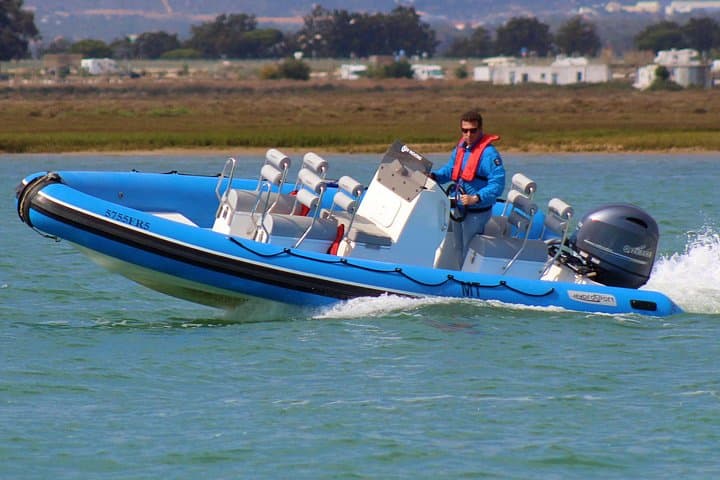
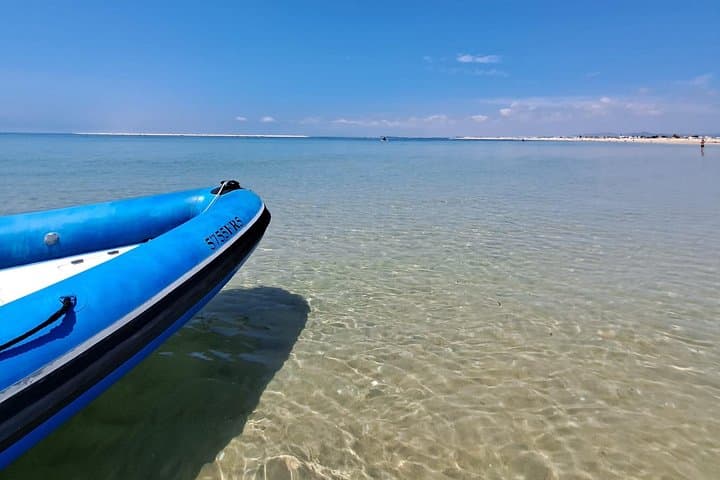
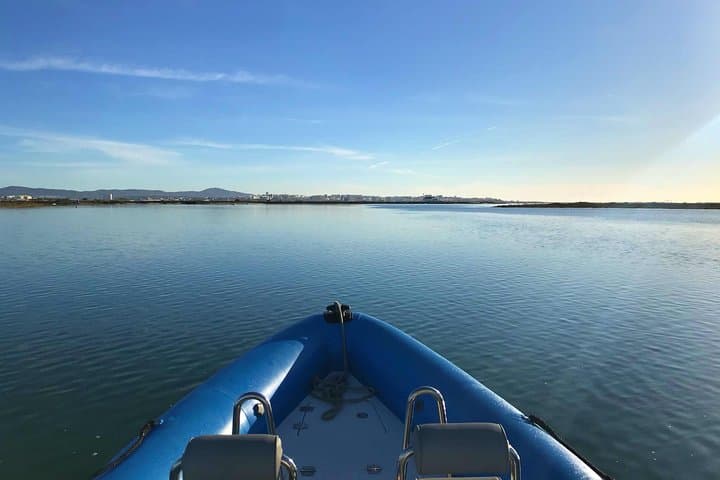
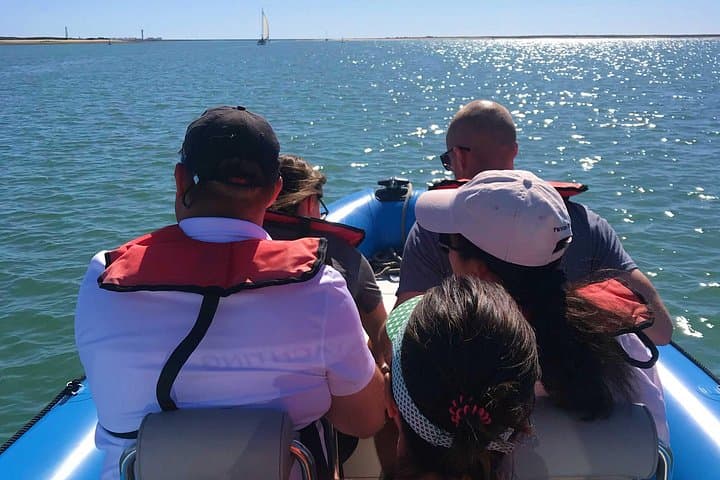
The boat slips away from Doca de Faro and the city’s tile roofs blur into low dunes and blue. Salt air fills the cockpit as the Ria Formosa’s braided channels open — shallow lagoons that dare you to look closer. In one hour you skim to a single barrier island; in two hours you push farther, tracing a line of sandbanks where surf and tide argue for shape.
The boat slips away from Doca de Faro and the city’s tile roofs blur into low dunes and blue. Salt air fills the cockpit as the Ria Formosa’s braided channels open — shallow lagoons that dare you to look closer. In one hour you skim to a single barrier island; in two hours you push farther, tracing a line of sandbanks where surf and tide argue for shape.
The Ria Formosa is a living, shifting coastline: a 170 km² natural park formed by sandbars and tidal channels that have guided Algarve fishing and shellfishing communities for centuries. Geology here is recent in geological terms — wind and wave building barrier islands that shelter calm salt marshes. Culturally, islands like Culatra and Farol retain small fishing villages where boats, nets and simple cafés mark daily life.
On a speedboat tour expect close views of migratory and resident birds — flamingos, avocets, terns — and the chance to see shellfish beds and small working marinas. Guides point out the human uses that coexist with protection: clam farms, navigation inlets, and the port of Faro.
Practical side: tours run 1–2 hours and launch from Faro marina; small-group vessels mean quick stops and social distancing by design. Wear sun protection and a wind layer, bring motion-sickness prevention if you’re sensitive, and keep cameras ready — the light shifts fast across salt flats. Respect wildlife by keeping noise low during bird sightings and follow crew instructions when landing on fragile dunes. Whether you want a brisk photography run or a quick nature check of the Algarve’s coastal core, the speed boat balances tempo with access.