THE ADVENTURE COLLECTIVE® · Independent discovery and booking for outdoor travel

Five days in Zagori where stone villages, foraging hikes and hands-on farm workshops reveal mountain life in Epirus. Join cooperative hosts for hiking, cooking, cheese-making and conversations that connect geology, culture and local economies.
Five days in Zagori where stone villages, foraging hikes and hands-on farm workshops reveal mountain life in Epirus. Join cooperative hosts for hiking, cooking, cheese-making and conversations that connect geology, culture and local economies.
Sunrise in Demati hits the stone roofs first, then the narrow laneways -- you step out to air that tastes of pine resin and wood smoke. The High Mountains Solidarity Tour starts here, moving through East and Central Zagori where limestone ridges drop into forested gullies and villages keep old ways in motion.
Verified experiences and guided adventures in the surrounding area.
Operated by The High Mountains Social Cooperative · Ioannina, Epirus
Sunrise in Demati hits the stone roofs first, then the narrow laneways -- you step out to air that tastes of pine resin and wood smoke. The High Mountains Solidarity Tour starts here, moving through East and Central Zagori where limestone ridges drop into forested gullies and villages keep old ways in motion.
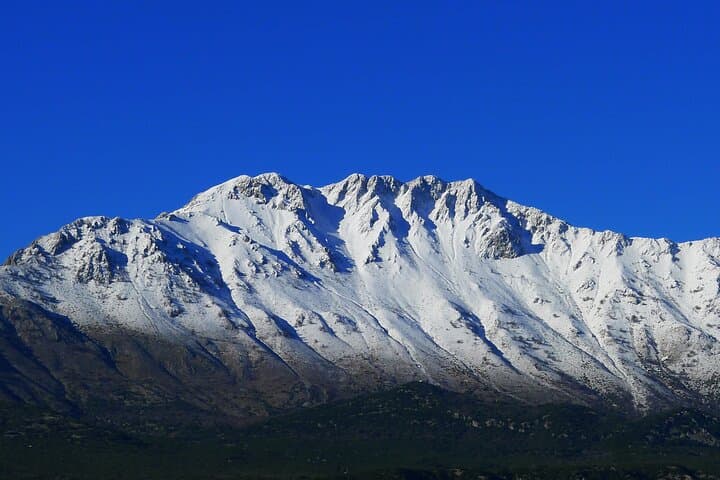
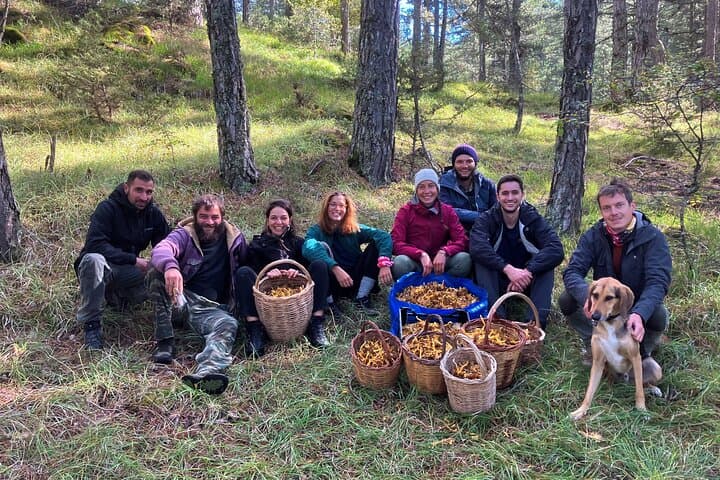
This is Pindus country: karst peaks, deep river-cut gorges and plateaus that supported shepherding and small-scale farming for centuries. Vikos Gorge, nearby, plunges toward the Void of the Epirus rivers and exposes layered limestone carved by ice and water over millennia. The tour threads cultural history and practical livelihoods: greenhouses at roughly 1,000 m, traditional cheese-making, wool processing and truffle and mushroom foraging with local producers.
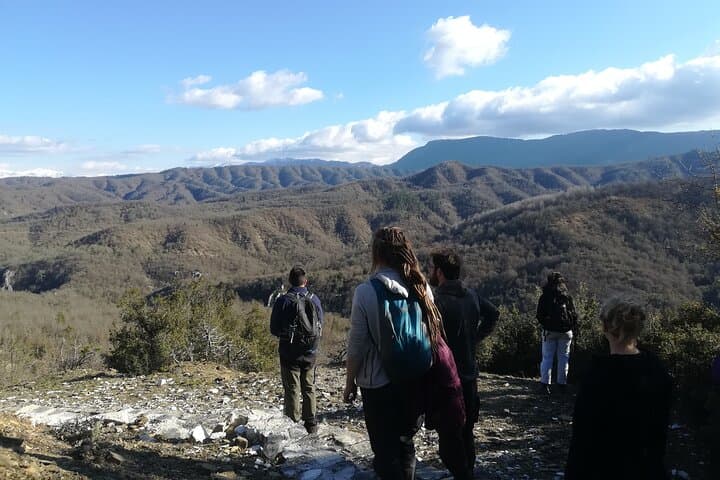
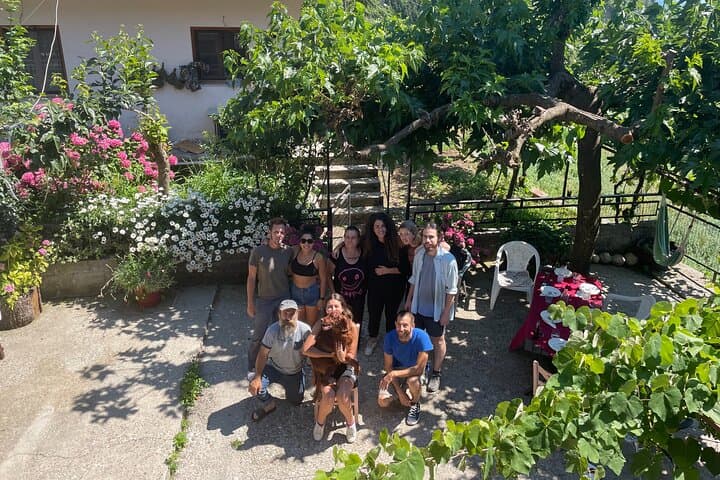
Days are a mix of guided hikes (1–6 hours, depending on chosen trails), hands-on cooking and farm visits, interspersed with village talks about mountain life and cooperative economics. Expect uneven stone tracks, shaded chestnut woods, and sudden viewpoints over ravines. Hosts demonstrate milking and cheese production; a cooking session turns foraged greens into village pies.
Practical edge: drives between bases are typically 40–70 km on mountain roads; pack layers for diurnal swings, sturdy footwear for rocky trails, and a small daypack for water and snacks. Timing matters—spring and fall bring the best foraging and cooler hiking; summer can be hot at lower elevations. The tour supports small mountain enterprises, so arrive ready to learn, walk a few moderate climbs, and leave with a clear sense of how place, geology and culture shape life in Zagori.
moderate.
5 days (approx. 40–50 hours of activities).
Good baseline fitness for repeated half-day to full-day hikes; be comfortable on uneven terrain and short elevation gains.
Hikes vary from easy village walks to moderate 3–6 hour trails; most guests find standard hiking fitness sufficient, but participants with mobility limits should note uneven terrain.
Yes—four nights’ accommodation in local guesthouses and breakfasts plus select lunches and dinners are included as described in the itinerary.
Guides lead foraging and truffle-hunting using local knowledge and legal practice; always follow the guide and avoid picking protected species.
Hosts can usually accommodate common dietary needs if informed at booking—provide details on the booking form so local kitchens can prepare accordingly.
Zagori’s stone villages (Zagorohoria) grew around pastoralism and transhumance; many surviving bridges and guesthouses date to Ottoman-era trade routes and 18th–19th century local prosperity.
The region relies on sustainable tourism and cooperatives to support traditional land uses; visitors should stick to trails, avoid disturbing wildlife, and minimize waste to protect fragile mountain ecosystems.
The High Mountains Social Cooperative operates guided outdoor trips and adventures with an emphasis on safety, stewardship, and memorable experiences.
Sunrise in Demati hits the stone roofs first, then the narrow laneways -- you step out to air that tastes of pine resin and wood smoke. The High Mountains Solidarity Tour starts here, moving through East and Central Zagori where limestone ridges drop into forested gullies and villages keep old ways in motion.
Sunrise in Demati hits the stone roofs first, then the narrow laneways -- you step out to air that tastes of pine resin and wood smoke. The High Mountains Solidarity Tour starts here, moving through East and Central Zagori where limestone ridges drop into forested gullies and villages keep old ways in motion.
This is Pindus country: karst peaks, deep river-cut gorges and plateaus that supported shepherding and small-scale farming for centuries. Vikos Gorge, nearby, plunges toward the Void of the Epirus rivers and exposes layered limestone carved by ice and water over millennia. The tour threads cultural history and practical livelihoods: greenhouses at roughly 1,000 m, traditional cheese-making, wool processing and truffle and mushroom foraging with local producers.
Days are a mix of guided hikes (1–6 hours, depending on chosen trails), hands-on cooking and farm visits, interspersed with village talks about mountain life and cooperative economics. Expect uneven stone tracks, shaded chestnut woods, and sudden viewpoints over ravines. Hosts demonstrate milking and cheese production; a cooking session turns foraged greens into village pies.
Practical edge: drives between bases are typically 40–70 km on mountain roads; pack layers for diurnal swings, sturdy footwear for rocky trails, and a small daypack for water and snacks. Timing matters—spring and fall bring the best foraging and cooler hiking; summer can be hot at lower elevations. The tour supports small mountain enterprises, so arrive ready to learn, walk a few moderate climbs, and leave with a clear sense of how place, geology and culture shape life in Zagori.