THE ADVENTURE COLLECTIVE® · Independent discovery and booking for outdoor travel

A long-day drive from Mendoza into the high Andes that visits Las Cuevas, Potrerillos viewpoints, and the Cristo Redentor border monument. Ideal for photographers and travelers wanting a taste of Aconcagua’s scale without technical climbing.
A long-day drive from Mendoza into the high Andes that visits Las Cuevas, Potrerillos viewpoints, and the Cristo Redentor border monument. Ideal for photographers and travelers wanting a taste of Aconcagua’s scale without technical climbing.
A cold wind pushes against the windshield as the minivan climbs out of Mendoza’s irrigated plains and into the raw geometry of the Andes. Snow-flecked ridgelines grow larger with each switchback; roadside stands thin to lone mountain refuges where the air tastes of metal and stone. By midmorning the group is standing at viewpoints that frame Aconcagua’s massive flanks—America’s highest peak—while guides sketch the route and point to glacial cirques and the red streaks of mineral veins.
Verified experiences and guided adventures in the surrounding area.
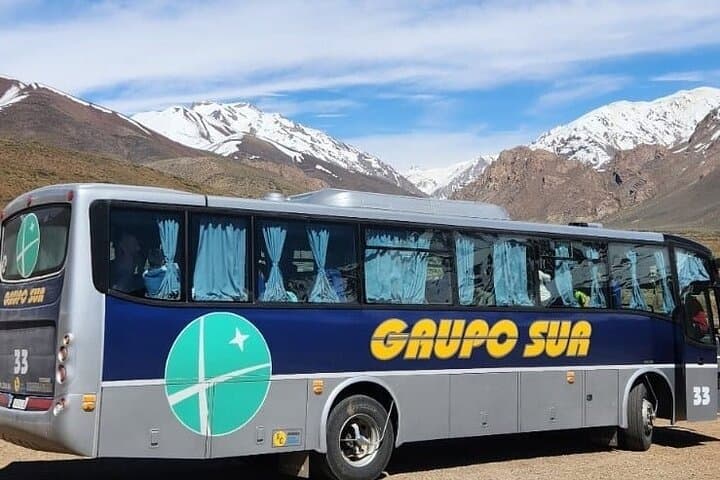
Operated by Grupo Sur, servicios turísticos · Mendoza, Mendoza
A cold wind pushes against the windshield as the minivan climbs out of Mendoza’s irrigated plains and into the raw geometry of the Andes. Snow-flecked ridgelines grow larger with each switchback; roadside stands thin to lone mountain refuges where the air tastes of metal and stone. By midmorning the group is standing at viewpoints that frame Aconcagua’s massive flanks—America’s highest peak—while guides sketch the route and point to glacial cirques and the red streaks of mineral veins.
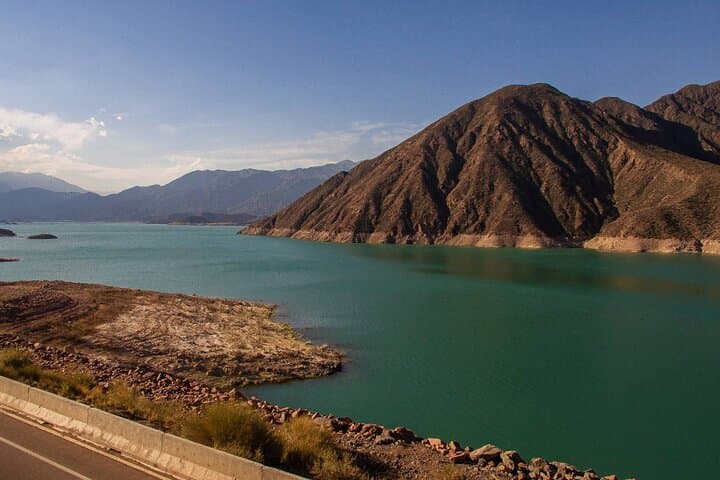
This full-day excursion follows the western spine of Mendoza Province through the Uspallata valley, past Potrerillos and over high mountain passes to Las Cuevas and the Cristo Redentor monument on the Argentina–Chile border. The region records millions of years of Andean uplift: folded sedimentary layers, volcanic intrusions and glacially carved valleys. Culturally, the route traces colonial mule roads and modern peace gestures—the bronze Christ, installed in the early 20th century, celebrates a long-standing treaty between nations.
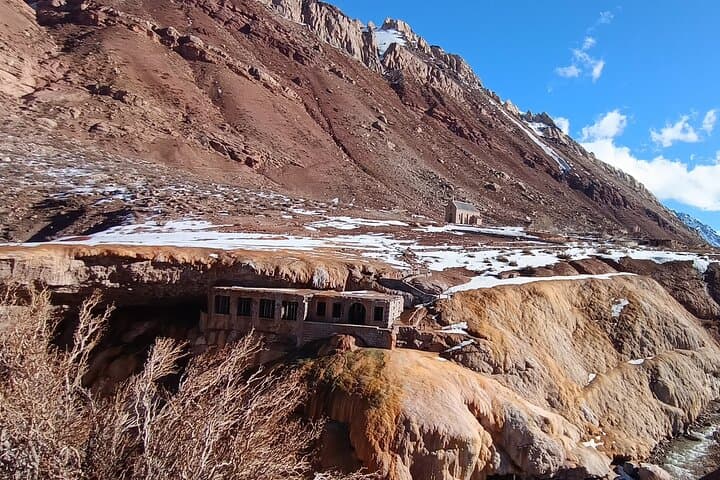
Expect photo stops at a historic natural bridge, short walks to overlooks, time for a mountain lunch in Las Cuevas, and—weather permitting—a visit to the border monument. Terrain is paved roads with short, well-marked trails at stops; altitudes can exceed 3,000 meters, so breath comes quicker and pace should slow accordingly.
Practical tips: start hydrated, dress in layers for intense sun and sudden cold, carry cash for small mountain shops, and leave extra time for photos—the light here changes fast and commands attention.
moderate.
12–14 hours.
Moderate fitness recommended: able to sit for a long drive, handle short walks at altitude and manage stair/uneven surfaces.
Expect a full day—approximately 12–14 hours round trip from central Mendoza; exact return depends on traffic and weather.
Infants can join but must sit on an adult’s lap; strollers are noted as accessible for short stops, though terrain at viewpoints may be uneven.
No; this tour visits road-accessible viewpoints, Las Cuevas and the Cristo Redentor monument—no technical hiking or mountaineering is included.
Operators may cancel for safety in bad weather; check cancellation terms (full refund if canceled 24+ hours in advance) and bring flexible plans.
The Cristo Redentor monument was installed in the early 20th century as a symbol of peace on the Argentina–Chile border; mule tracks and colonial roads shaped early access through Uspallata.
This corridor borders protected zones near Aconcagua—stay on roads and marked stops, pack out all waste, and avoid disturbing fragile alpine vegetation.
Grupo Sur, servicios turísticos operates guided outdoor trips and adventures with an emphasis on safety, stewardship, and memorable experiences.
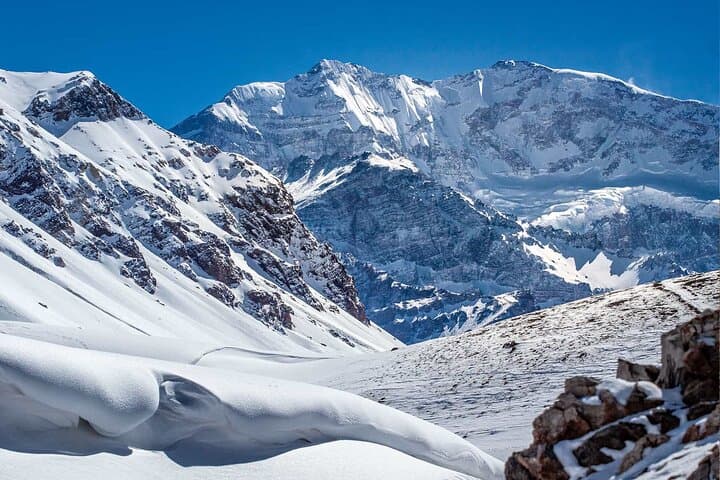
A cold wind pushes against the windshield as the minivan climbs out of Mendoza’s irrigated plains and into the raw geometry of the Andes. Snow-flecked ridgelines grow larger with each switchback; roadside stands thin to lone mountain refuges where the air tastes of metal and stone. By midmorning the group is standing at viewpoints that frame Aconcagua’s massive flanks—America’s highest peak—while guides sketch the route and point to glacial cirques and the red streaks of mineral veins.
A cold wind pushes against the windshield as the minivan climbs out of Mendoza’s irrigated plains and into the raw geometry of the Andes. Snow-flecked ridgelines grow larger with each switchback; roadside stands thin to lone mountain refuges where the air tastes of metal and stone. By midmorning the group is standing at viewpoints that frame Aconcagua’s massive flanks—America’s highest peak—while guides sketch the route and point to glacial cirques and the red streaks of mineral veins.
This full-day excursion follows the western spine of Mendoza Province through the Uspallata valley, past Potrerillos and over high mountain passes to Las Cuevas and the Cristo Redentor monument on the Argentina–Chile border. The region records millions of years of Andean uplift: folded sedimentary layers, volcanic intrusions and glacially carved valleys. Culturally, the route traces colonial mule roads and modern peace gestures—the bronze Christ, installed in the early 20th century, celebrates a long-standing treaty between nations.
Expect photo stops at a historic natural bridge, short walks to overlooks, time for a mountain lunch in Las Cuevas, and—weather permitting—a visit to the border monument. Terrain is paved roads with short, well-marked trails at stops; altitudes can exceed 3,000 meters, so breath comes quicker and pace should slow accordingly.
Practical tips: start hydrated, dress in layers for intense sun and sudden cold, carry cash for small mountain shops, and leave extra time for photos—the light here changes fast and commands attention.