THE ADVENTURE COLLECTIVE® · Independent discovery and booking for outdoor travel

Walk an elevated park that used to be freight rail, then follow a guide through Greenwich Village’s storied streets while sampling classic New York bites. This four-hour combo tour blends design, history, and food with practical tips for first-time visitors.
Walk an elevated park that used to be freight rail, then follow a guide through Greenwich Village’s storied streets while sampling classic New York bites. This four-hour combo tour blends design, history, and food with practical tips for first-time visitors.
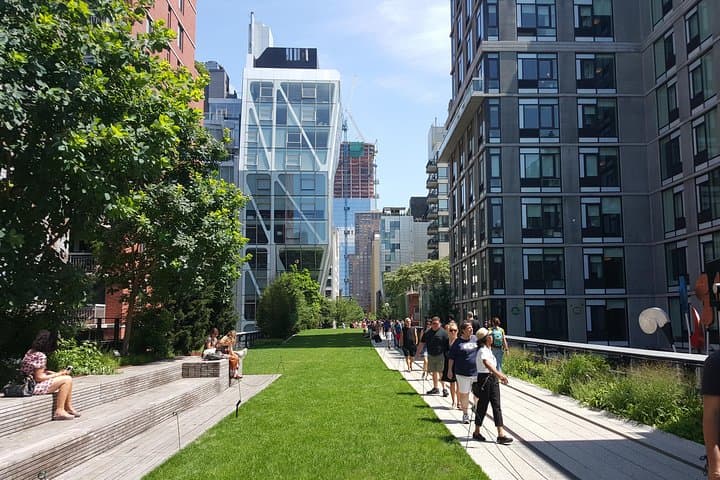
You step onto an elevated ribbon of rail and the city shifts beneath you—the rumble of traffic becomes a distant bass, glass towers frame sky, and the planted beds along the High Line lean toward you like a neighborhood daring you to slow down. The air carries coffee, diesel, and something greener: native grasses rubbing shoulders with sculptural art. By the time the guide points out a converted freight door and the ghost of a rail tie, your sneakers have already mapped a new part of Manhattan for you.
Verified experiences and guided adventures in the surrounding area.
Operated by Manhattan Walking Tour · New York, New York
You step onto an elevated ribbon of rail and the city shifts beneath you—the rumble of traffic becomes a distant bass, glass towers frame sky, and the planted beds along the High Line lean toward you like a neighborhood daring you to slow down. The air carries coffee, diesel, and something greener: native grasses rubbing shoulders with sculptural art. By the time the guide points out a converted freight door and the ghost of a rail tie, your sneakers have already mapped a new part of Manhattan for you.
The High Line’s bones are industrial—an elevated freight rail that carried goods through the Meatpacking District until it fell silent in 1980. Reimagined and reborn as a public park starting in 2009, its linear greenway stitches together patches of Chelsea and the Village and offers unusual angles on Manhattan’s architecture. Greenwich Village, a short walk south, tells a different story: Dutch and English colonial streets, 19th-century brownstones, and a 20th-century reputation as the city’s rebel heart—Beat poets, folk singers, and off-Broadway agitators all left footprints here.
Geology matters even in the city: Manhattan’s schist and riverside landfill shaped streets and real estate, and the High Line itself runs over reclaimed piers and old industrial lots. Urban nature is active here—migratory songbirds stop on planted walkways and peregrine falcons hunt the canyon between towers—so bring both a camera and curiosity.
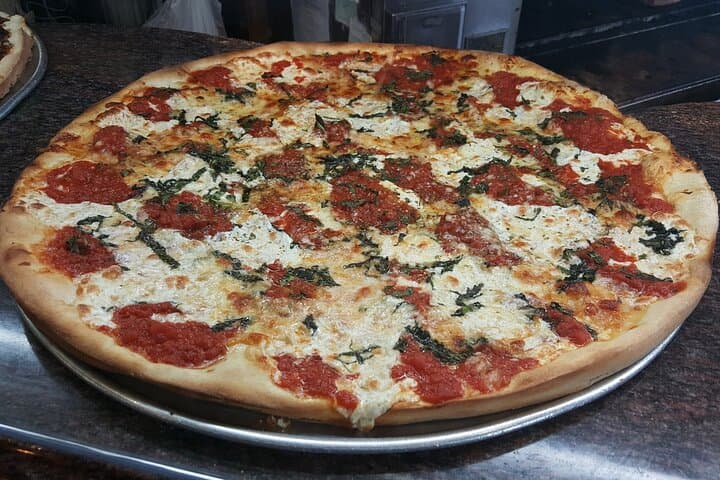
Practicality keeps this thrilling. The combined experience runs about four hours, meeting at the High Line elevator entrance at West 30th Street (between 10th and 11th Avenue) and ending near 6th Avenue and West 3rd Street. Expect 1.45 miles on the High Line plus additional walking in the Village; terrain is paved with stairs and occasional crowding. Food tastings begin around 12:45 PM in Greenwich Village—pizza, a classic deli stop, and an old-school butcher are likely on the menu; vegetarian options are available if requested at booking. The tour operates in most weather, so dress in layers and plan for city sidewalks and steps.
Local guides mix hard facts with neighborhood lore—historic preservation battles, the role of the Friends of the High Line in restoring plantings, and why small businesses in the Village still fight to remain themselves. Bring comfortable shoes, a refillable water bottle, and enough appetite for more than sightseeing. If you want a quieter day, schedule early-week tours; weekends bring locals and tourists alike. This is a walk that teaches you how New York repurposes the old into something you can walk through, taste, and remember.
moderate.
4 hours.
You should be comfortable walking 2–4 miles on city pavements and navigating stairs; basic fitness required.
The combined experience is approximately four hours, starting at the High Line elevator on West 30th Street (between 10th and 11th Avenues) and ending at 6th Avenue and West 3rd Street.
Food tastings are included; a vegetarian option is available if requested at booking—other dietary needs (vegan, gluten-free, kosher, severe allergies) cannot be guaranteed.
Children are welcome but the tour is best for those who can handle 2–4 miles of walking and stairs; portions are not fully wheelchair accessible due to steps and cobblestone streets.
The tour operates in most weather; if conditions are severe organizers may offer an indoor food tour alternative or cancel with a full refund if minimum numbers aren’t met.
Gratuity is not included—if you enjoyed the tour, guides appreciate tipping based on service quality.
A minimum of two people per booking is required; mobile or paper tickets are accepted and you’ll receive confirmation with exact meeting details.
Manhattan Walking Tour operates guided outdoor trips and adventures with an emphasis on safety, stewardship, and memorable experiences.
You step onto an elevated ribbon of rail and the city shifts beneath you—the rumble of traffic becomes a distant bass, glass towers frame sky, and the planted beds along the High Line lean toward you like a neighborhood daring you to slow down. The air carries coffee, diesel, and something greener: native grasses rubbing shoulders with sculptural art. By the time the guide points out a converted freight door and the ghost of a rail tie, your sneakers have already mapped a new part of Manhattan for you.
You step onto an elevated ribbon of rail and the city shifts beneath you—the rumble of traffic becomes a distant bass, glass towers frame sky, and the planted beds along the High Line lean toward you like a neighborhood daring you to slow down. The air carries coffee, diesel, and something greener: native grasses rubbing shoulders with sculptural art. By the time the guide points out a converted freight door and the ghost of a rail tie, your sneakers have already mapped a new part of Manhattan for you.
The High Line’s bones are industrial—an elevated freight rail that carried goods through the Meatpacking District until it fell silent in 1980. Reimagined and reborn as a public park starting in 2009, its linear greenway stitches together patches of Chelsea and the Village and offers unusual angles on Manhattan’s architecture. Greenwich Village, a short walk south, tells a different story: Dutch and English colonial streets, 19th-century brownstones, and a 20th-century reputation as the city’s rebel heart—Beat poets, folk singers, and off-Broadway agitators all left footprints here.
Geology matters even in the city: Manhattan’s schist and riverside landfill shaped streets and real estate, and the High Line itself runs over reclaimed piers and old industrial lots. Urban nature is active here—migratory songbirds stop on planted walkways and peregrine falcons hunt the canyon between towers—so bring both a camera and curiosity.
Practicality keeps this thrilling. The combined experience runs about four hours, meeting at the High Line elevator entrance at West 30th Street (between 10th and 11th Avenue) and ending near 6th Avenue and West 3rd Street. Expect 1.45 miles on the High Line plus additional walking in the Village; terrain is paved with stairs and occasional crowding. Food tastings begin around 12:45 PM in Greenwich Village—pizza, a classic deli stop, and an old-school butcher are likely on the menu; vegetarian options are available if requested at booking. The tour operates in most weather, so dress in layers and plan for city sidewalks and steps.
Local guides mix hard facts with neighborhood lore—historic preservation battles, the role of the Friends of the High Line in restoring plantings, and why small businesses in the Village still fight to remain themselves. Bring comfortable shoes, a refillable water bottle, and enough appetite for more than sightseeing. If you want a quieter day, schedule early-week tours; weekends bring locals and tourists alike. This is a walk that teaches you how New York repurposes the old into something you can walk through, taste, and remember.