THE ADVENTURE COLLECTIVE® · Independent discovery and booking for outdoor travel

Learn to make a five-course Japanese meal in a focused, hands-on workshop in Tucson. This small-group class covers miso, salads, two signature rolls, and a miso butter cookie dessert — perfect for beginners and food-lovers alike.
Learn to make a five-course Japanese meal in a focused, hands-on workshop in Tucson. This small-group class covers miso, salads, two signature rolls, and a miso butter cookie dessert — perfect for beginners and food-lovers alike.
You step into a bright kitchen in central Tucson where the hiss of a simmering dashi and the sharp, clean scent of rice vinegar cut through the desert air.
Verified experiences and guided adventures in the surrounding area.
Operated by Cozymeal Cooking Classes · Tucson, Arizona
You step into a bright kitchen in central Tucson where the hiss of a simmering dashi and the sharp, clean scent of rice vinegar cut through the desert air.
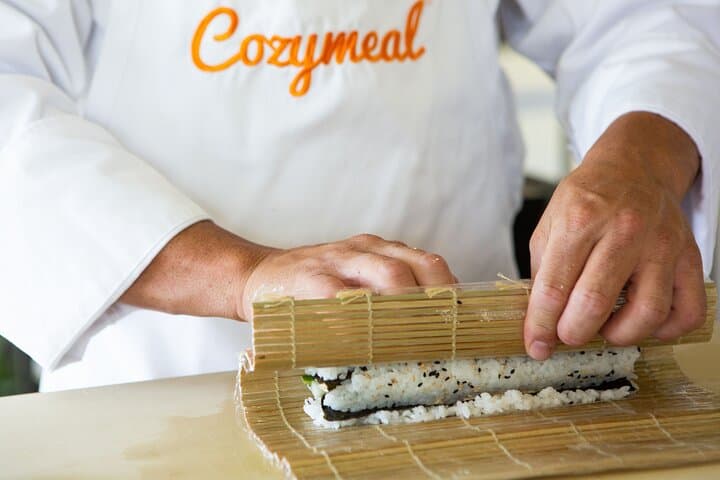
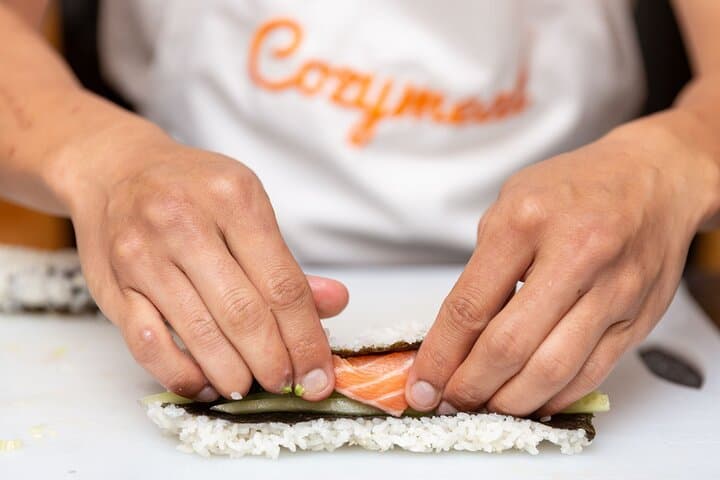
The chef stands at a stainless table, knives laid out like instruments; within minutes you’re learning how to wash sushi rice, press nori, and judge the right tackiness of a roll. This is a focused, small-group workshop — practical, tactile, and tasting every step of the way.
Tucson’s food scene, honored as a UNESCO City of Gastronomy, has long been shaped by cross-cultural menus. While Japanese restaurants here are fewer than Southwestern staples, local chefs borrow local produce and Sonoran desert sensibilities to make fresh, ingredient-forward sushi.
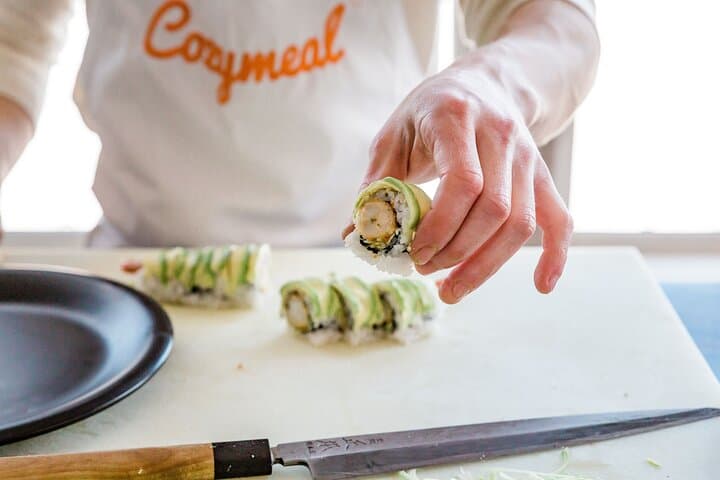
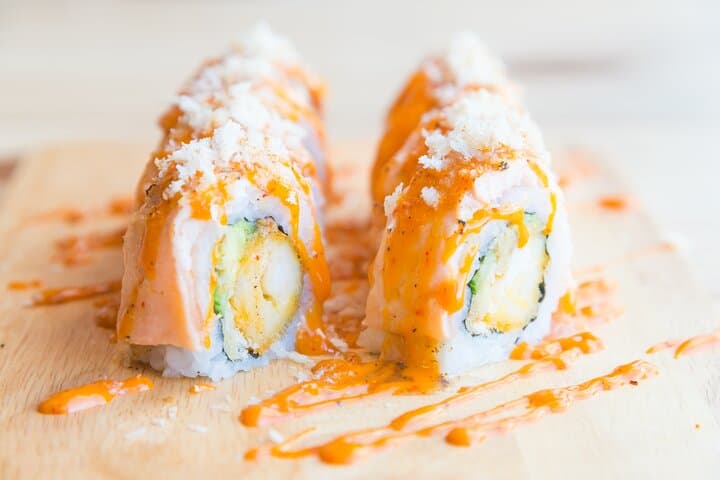
The class blends traditional techniques — dashi, rice seasoning, nori handling — with contemporary twists like a spicy inside-out shrimp roll and miso butter cookies for dessert. Expect a short primer on sourcing seafood and how to balance umami with Arizona-grown produce.
Practical guidance: arrive 10–15 minutes early, bring a beverage if you like (alcohol permitted), and tell hosts about dietary restrictions in advance. The pace is beginner-friendly but hands-on; you’ll stand, chop, and roll for most of the session. Closed-toe shoes and comfortable layers help, and the chef will guide knife safety and plating tips.
By the end you’ll have five courses to eat or take away, a clearer sense of Japanese pantry essentials, and the confidence to recreate a few approachable rolls at home.
easy.
2–3 hours.
Light physical activity—standing and basic hand dexterity required; suitable for most fitness levels.
Yes—participants are welcome to bring beer or wine; confirm any corkage or glassware policies with the host before arrival.
Absolutely—this small-group workshop is designed for beginners and covers basic sushi rice preparation, rolling techniques, and plating.
Hosts can adapt recipes for common allergies and preferences if notified in advance; indicate special requirements at booking.
The listing notes wheelchair access and accessible surfaces—contact the operator for specifics about mobility needs.
Tucson was designated a UNESCO City of Gastronomy in 2015; its culinary identity blends Indigenous, Mexican, and immigrant influences, which local chefs adapt to Japanese techniques.
Ask about the class’s seafood sourcing and waste practices—many chefs favor sustainably caught fish and composting or minimal-waste prep in small culinary studios.
Cozymeal Cooking Classes operates guided outdoor trips and adventures with an emphasis on safety, stewardship, and memorable experiences.
You step into a bright kitchen in central Tucson where the hiss of a simmering dashi and the sharp, clean scent of rice vinegar cut through the desert air.
You step into a bright kitchen in central Tucson where the hiss of a simmering dashi and the sharp, clean scent of rice vinegar cut through the desert air.
The chef stands at a stainless table, knives laid out like instruments; within minutes you’re learning how to wash sushi rice, press nori, and judge the right tackiness of a roll. This is a focused, small-group workshop — practical, tactile, and tasting every step of the way.
Tucson’s food scene, honored as a UNESCO City of Gastronomy, has long been shaped by cross-cultural menus. While Japanese restaurants here are fewer than Southwestern staples, local chefs borrow local produce and Sonoran desert sensibilities to make fresh, ingredient-forward sushi.
The class blends traditional techniques — dashi, rice seasoning, nori handling — with contemporary twists like a spicy inside-out shrimp roll and miso butter cookies for dessert. Expect a short primer on sourcing seafood and how to balance umami with Arizona-grown produce.
Practical guidance: arrive 10–15 minutes early, bring a beverage if you like (alcohol permitted), and tell hosts about dietary restrictions in advance. The pace is beginner-friendly but hands-on; you’ll stand, chop, and roll for most of the session. Closed-toe shoes and comfortable layers help, and the chef will guide knife safety and plating tips.
By the end you’ll have five courses to eat or take away, a clearer sense of Japanese pantry essentials, and the confidence to recreate a few approachable rolls at home.