THE ADVENTURE COLLECTIVE® · Independent discovery and booking for outdoor travel

Drive from Marrakech into the High Atlas to visit Imlil, Ourika and Moulay Brahim—three valleys that showcase Berber villages, terraced farms and waterfalls. This full-day tour mixes scenic drives, short hikes and local stopovers for argan cooperatives and panoramic viewpoints.
Drive from Marrakech into the High Atlas to visit Imlil, Ourika and Moulay Brahim—three valleys that showcase Berber villages, terraced farms and waterfalls. This full-day tour mixes scenic drives, short hikes and local stopovers for argan cooperatives and panoramic viewpoints.
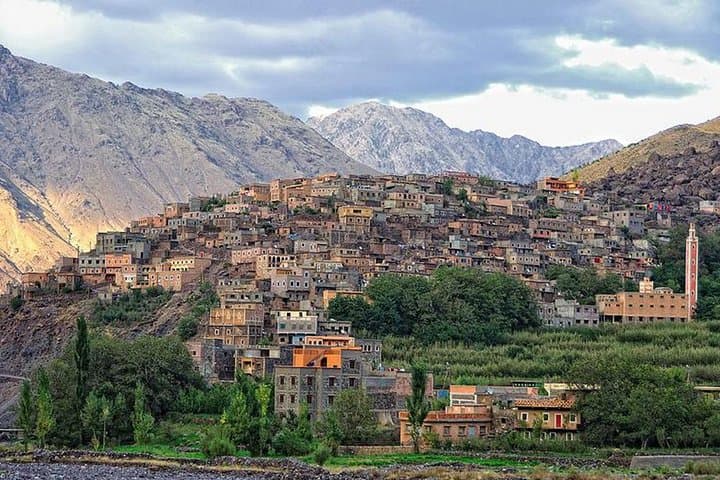
A Moroccan morning opens with dust and sunlight: the minivan peels away from Marrakech and the plain rises into ochre slopes and almond orchards. By midmorning the road climbs into the High Atlas, villages of flat-roofed stone houses stacked like forgotten shelves, and Mount Toubkal watching from the skyline. The air sharpens; a river dares you to follow it up-valley.
Verified experiences and guided adventures in the surrounding area.
Operated by Sabra Excursions · Marrakech, Marrakech-Safi
A Moroccan morning opens with dust and sunlight: the minivan peels away from Marrakech and the plain rises into ochre slopes and almond orchards. By midmorning the road climbs into the High Atlas, villages of flat-roofed stone houses stacked like forgotten shelves, and Mount Toubkal watching from the skyline. The air sharpens; a river dares you to follow it up-valley.
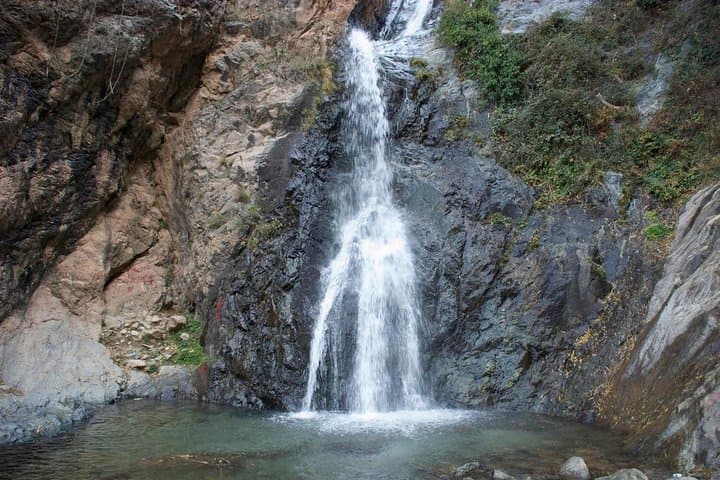
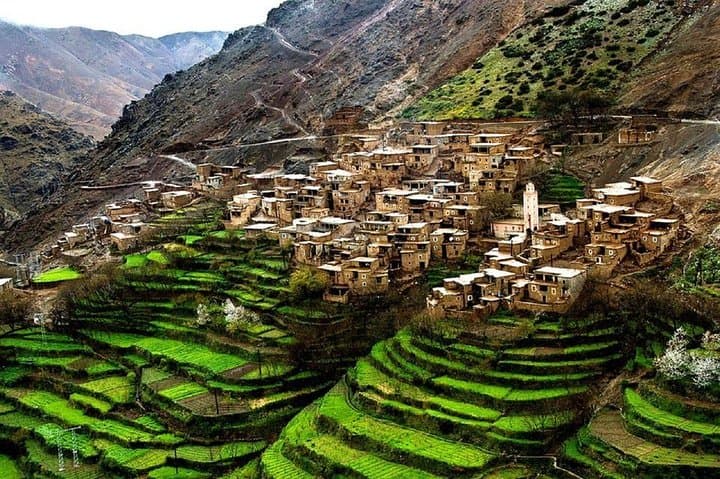
This full-day loop links three distinct valleys—Lalla Takerkoust and the Moulay Brahim gorges on the western flank, the high‑altitude terraces of Imlil beneath Toubkal, and the verdant Ourika with its waterfalls. Geologically the range is young and rugged: folded sedimentary layers give way to granite summits where glacial action carved steep ravines. Culturally, each valley remains rooted in Amazigh (Berber) life—agricultural terraces, small cooperatives producing argan and herbal infusions, and houses built for winter winds.
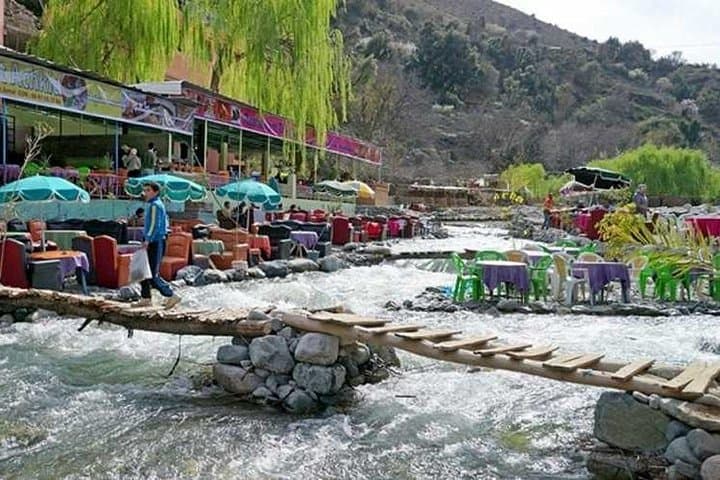
Expect a mix of scenic drives and short walks. The optional 90‑minute Ourika hike is a rolling trail with 100–300 m elevation change depending on how far you go; terrain includes packed dirt paths, rocky stepping sections, and river crossings on simple bridges.
Practical tips: leave Marrakech by 8–9 a.m. to maximize light and avoid midday heat; wear broken‑in hiking shoes and layered clothing for big temperature swings; carry at least 1–1.5 liters of water and sun protection. Local guides offer insight into village life and can arrange a shorter or more challenging walk. Respect private plots and cooperative schedules—many stops support small, family-run services. The trip is scenic, accessible, and a concentrated introduction to Atlas highlands life.
moderate.
8–10 hours.
Suitable for travelers with basic fitness who can manage short hikes with 100–300 m elevation change; most of the day is in a vehicle with intermittent walking.
The standard optional hike is about 90 minutes round trip on established trails with modest elevation change; guides can shorten or extend the route to match fitness levels.
Pickup and drop-off from selected hotels/riads in Marrakech are included; confirm your exact pickup time with the local operator after booking.
Yes—infants must sit on laps and specialized infant seats can be provided; child fares apply under the operator's policy when sharing with two paying adults.
Yes—the Ourika valley stop commonly includes a visit to a Berber women's argan cooperative where you can see traditional extraction methods and purchase products.
The valleys have long been home to Amazigh (Berber) communities linked by mule tracks and seasonal grazing; the region’s villages served as waypoints for traders crossing the Atlas toward Marrakech and the Sahara.
Water is scarce downstream and trails are sensitive to erosion—stick to marked paths, avoid leaving litter, and support local cooperatives that reinvest tourism income into communities.
Sabra Excursions operates guided outdoor trips and adventures with an emphasis on safety, stewardship, and memorable experiences.
A Moroccan morning opens with dust and sunlight: the minivan peels away from Marrakech and the plain rises into ochre slopes and almond orchards. By midmorning the road climbs into the High Atlas, villages of flat-roofed stone houses stacked like forgotten shelves, and Mount Toubkal watching from the skyline. The air sharpens; a river dares you to follow it up-valley.
A Moroccan morning opens with dust and sunlight: the minivan peels away from Marrakech and the plain rises into ochre slopes and almond orchards. By midmorning the road climbs into the High Atlas, villages of flat-roofed stone houses stacked like forgotten shelves, and Mount Toubkal watching from the skyline. The air sharpens; a river dares you to follow it up-valley.
This full-day loop links three distinct valleys—Lalla Takerkoust and the Moulay Brahim gorges on the western flank, the high‑altitude terraces of Imlil beneath Toubkal, and the verdant Ourika with its waterfalls. Geologically the range is young and rugged: folded sedimentary layers give way to granite summits where glacial action carved steep ravines. Culturally, each valley remains rooted in Amazigh (Berber) life—agricultural terraces, small cooperatives producing argan and herbal infusions, and houses built for winter winds.
Expect a mix of scenic drives and short walks. The optional 90‑minute Ourika hike is a rolling trail with 100–300 m elevation change depending on how far you go; terrain includes packed dirt paths, rocky stepping sections, and river crossings on simple bridges.
Practical tips: leave Marrakech by 8–9 a.m. to maximize light and avoid midday heat; wear broken‑in hiking shoes and layered clothing for big temperature swings; carry at least 1–1.5 liters of water and sun protection. Local guides offer insight into village life and can arrange a shorter or more challenging walk. Respect private plots and cooperative schedules—many stops support small, family-run services. The trip is scenic, accessible, and a concentrated introduction to Atlas highlands life.