THE ADVENTURE COLLECTIVE® · Independent discovery and booking for outdoor travel

Trade Marrakech’s medina for the cool slopes of the High Atlas on a guided day tour that mixes a 2.5-hour panoramic hike with visits to a Berber argan cooperative and a homemade village lunch. Expect sweeping views of Mt. Toubkal, stone trails, and intimate cultural exchange.
Trade Marrakech’s medina for the cool slopes of the High Atlas on a guided day tour that mixes a 2.5-hour panoramic hike with visits to a Berber argan cooperative and a homemade village lunch. Expect sweeping views of Mt. Toubkal, stone trails, and intimate cultural exchange.
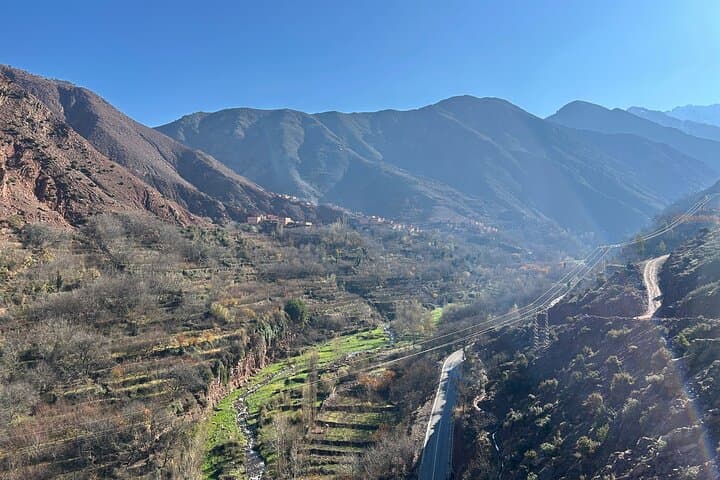
You leave the buzz of Marrakech behind and climb into the High Atlas, air shifting from ochre dust to cool, pine-scented mountain breezes. The road narrows, terraces and stone houses slide past the van window, and a distant silhouette—Mt. Toubkal—keeps watch as you arrive into the Imlil valley.
Verified experiences and guided adventures in the surrounding area.
Operated by EXCURSION PERSONNALISÉE HAMID OULJID · Imlil, Marrakesh-Safi
You leave the buzz of Marrakech behind and climb into the High Atlas, air shifting from ochre dust to cool, pine-scented mountain breezes. The road narrows, terraces and stone houses slide past the van window, and a distant silhouette—Mt. Toubkal—keeps watch as you arrive into the Imlil valley.
This landscape has been shaped by tectonic uplift and glacial carving: steep ridgelines of metamorphic rock, narrow river cuttings, and terraced fields clinging to slopes. People have inhabited these valleys for centuries—Amazigh (Berber) families farm the land, herd goats, and press argan oil using techniques passed down through generations. Visiting a cooperative offers a direct look at that craft and the social economy that supports many mountain households.
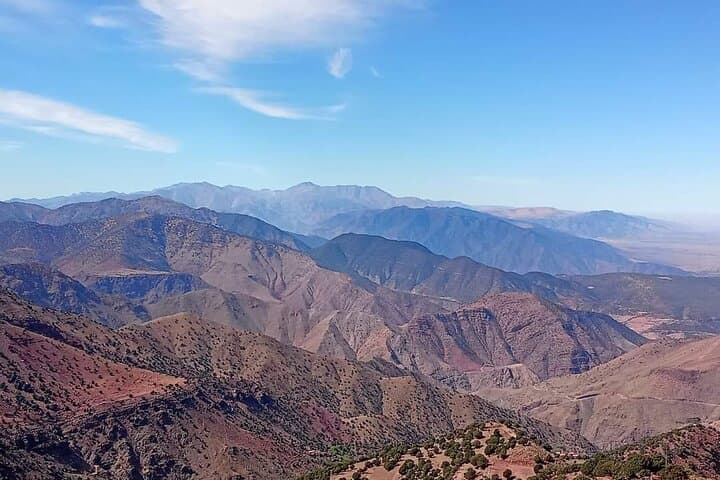
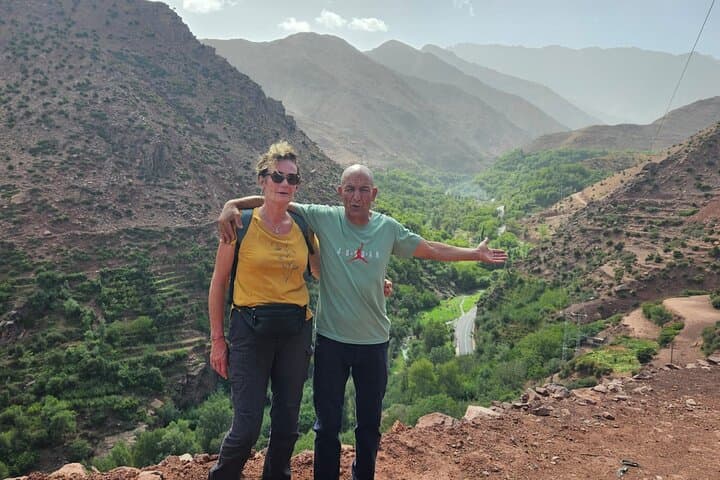
The two-and-a-half-hour hike in Tamadut Natural Park is short but rewarding: expect rough dirt tracks, stone steps, and steady ascents to viewpoints that frame Toubkal’s massif. Streams will demand your attention as they rush past villages; the landscape moves you forward as much as you move through it. The finish is a homemade Berber lunch in Dar Imoughlad, where conversation and mint tea reveal daily life here.
Practical guide: depart Marrakech around 9:30 AM, wear sturdy hiking shoes, bring 1.5–2 liters of water, layered clothing for variable mountain weather, and small change for cooperative purchases. Trails are moderately steep in places but well-marked; no technical gear required. Respect local customs—ask before photographing residents—and stay on established paths to limit erosion. This day tour balances scenic walking with cultural immersion, making the High Atlas accessible even in a single, thoroughly satisfying day.
moderate.
6–7 hours.
You should be comfortable walking 2–3 hours on uneven terrain with short, steep sections and able to manage basic altitude change.
The guided trek is about 2.5 hours over dirt tracks and stone steps with some steady uphill; it’s moderate—good for anyone with regular walking fitness.
Families with older children can usually join; older adults should evaluate mobility on uneven ground and consider the moderate exertion level before booking.
Guides commonly speak English and French; the itinerary includes a visit to a Berber women’s argan cooperative with tea provided.
The hike stays in valley elevations around Imlil (well below Toubkal summit), so altitude effects are minimal for most travelers—but take it easy if you’re sensitive to elevation.
The High Atlas has long been inhabited by Amazigh (Berber) communities; village life here retains traditional agriculture, crafts and oral history tied to mountain routes.
Trails are sensitive to erosion and water is scarce; support local cooperatives, avoid single-use plastics, and stick to marked paths to minimize impact.
EXCURSION PERSONNALISÉE HAMID OULJID operates guided outdoor trips and adventures with an emphasis on safety, stewardship, and memorable experiences.
You leave the buzz of Marrakech behind and climb into the High Atlas, air shifting from ochre dust to cool, pine-scented mountain breezes. The road narrows, terraces and stone houses slide past the van window, and a distant silhouette—Mt. Toubkal—keeps watch as you arrive into the Imlil valley.
You leave the buzz of Marrakech behind and climb into the High Atlas, air shifting from ochre dust to cool, pine-scented mountain breezes. The road narrows, terraces and stone houses slide past the van window, and a distant silhouette—Mt. Toubkal—keeps watch as you arrive into the Imlil valley.
This landscape has been shaped by tectonic uplift and glacial carving: steep ridgelines of metamorphic rock, narrow river cuttings, and terraced fields clinging to slopes. People have inhabited these valleys for centuries—Amazigh (Berber) families farm the land, herd goats, and press argan oil using techniques passed down through generations. Visiting a cooperative offers a direct look at that craft and the social economy that supports many mountain households.
The two-and-a-half-hour hike in Tamadut Natural Park is short but rewarding: expect rough dirt tracks, stone steps, and steady ascents to viewpoints that frame Toubkal’s massif. Streams will demand your attention as they rush past villages; the landscape moves you forward as much as you move through it. The finish is a homemade Berber lunch in Dar Imoughlad, where conversation and mint tea reveal daily life here.
Practical guide: depart Marrakech around 9:30 AM, wear sturdy hiking shoes, bring 1.5–2 liters of water, layered clothing for variable mountain weather, and small change for cooperative purchases. Trails are moderately steep in places but well-marked; no technical gear required. Respect local customs—ask before photographing residents—and stay on established paths to limit erosion. This day tour balances scenic walking with cultural immersion, making the High Atlas accessible even in a single, thoroughly satisfying day.