THE ADVENTURE COLLECTIVE® · Independent discovery and booking for outdoor travel

A compact day escape from Marrakech that pairs the rocky foothills of the High Atlas with the stark, close-by Agafay desert. Expect village trails, Berber hospitality, and dramatic light shifts across orchards, mountains and stone plains.
A compact day escape from Marrakech that pairs the rocky foothills of the High Atlas with the stark, close-by Agafay desert. Expect village trails, Berber hospitality, and dramatic light shifts across orchards, mountains and stone plains.
You leave Marrakech before the city fully wakes, the medina's mosaic of smells giving way to olive groves and a widening sky. The High Atlas rises like a folded spine to the south; villages cling to terraces and the mountains push a cool, stone-smoothed air toward you. By midmorning the van threads orchards in the Asni valley—apples, walnuts and cherries—then drops into Imlil where a short walk across stony footpaths exposes you to Toubkal’s looming presence.
Verified experiences and guided adventures in the surrounding area.
Operated by Adventure masters · Marrakech, Marrakech-Safi
You leave Marrakech before the city fully wakes, the medina's mosaic of smells giving way to olive groves and a widening sky. The High Atlas rises like a folded spine to the south; villages cling to terraces and the mountains push a cool, stone-smoothed air toward you. By midmorning the van threads orchards in the Asni valley—apples, walnuts and cherries—then drops into Imlil where a short walk across stony footpaths exposes you to Toubkal’s looming presence.
This corridor has been home to Amazigh (Berber) communities for centuries; their stone houses and mule tracks reflect an agrarian life adapted to steep slopes and sparse rainfall. Geologically the High Atlas is young and rugged, carved by uplift and winter storms; the Agafay near Marrakech is different—a rocky, lunar expanse of compacted stones and low scrub that acts like a stone desert rather than shifting sand.
Culture arrives in the form of a Berber lunch and teas poured with deliberate hospitality; drivers and local guides translate landscape into story. Expect abrupt shifts—mountain shade one hour, stark sun and open horizons the next—so timing matters.
Practical guide: wear broken-in hiking shoes for uneven village trails, bring sun protection and at least 1.5–2 liters of water, and plan on 6–8 hours including transfers. Mobile reception is intermittent in valleys; cash is useful for small purchases and tipping. If you want fewer passengers, choose a private option; if photography is the aim, aim for late afternoon light on the Agafay to catch long shadows and warm rock tones.
moderate.
6–8 hours.
Suitable for people with basic fitness: able to walk 1–3 miles on uneven ground and handle short uphill sections.
Expect around 6–8 hours including hotel pickup and drop-off; travel time to Agafay is roughly 40–60 minutes depending on traffic.
Yes; the itinerary is physically easy to moderate with short walks—infant seats and stroller access are sometimes available but check with the operator.
Cell service is generally available near Marrakech and larger villages but may be patchy in remote valleys; basic restroom facilities are available at lunch stops and some viewpoints.
Private tours often allow flexibility—ask when booking if you want extra walking time in Imlil or more time at Takerkoust Dam.
The High Atlas region has been inhabited by Amazigh (Berber) communities for centuries; their mountain terraces and trade routes predate modern borders and shaped local agricultural patterns.
Water is scarce—minimize use, pack out waste, and stay on existing tracks to avoid accelerating erosion in fragile mountain and desert soils.
Adventure masters operates guided outdoor trips and adventures with an emphasis on safety, stewardship, and memorable experiences.
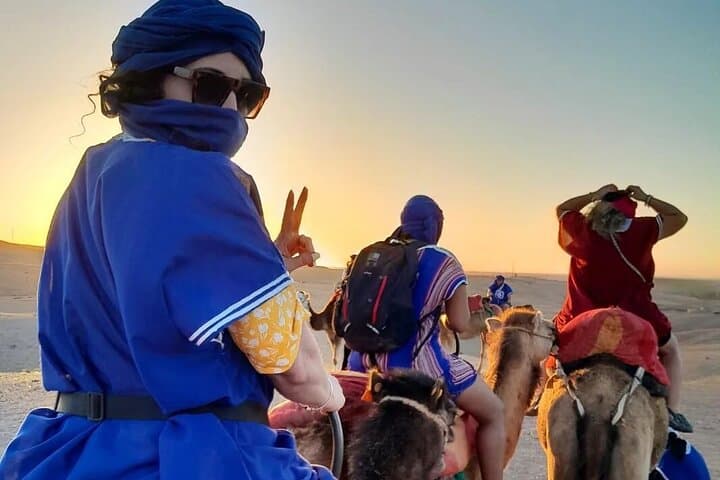
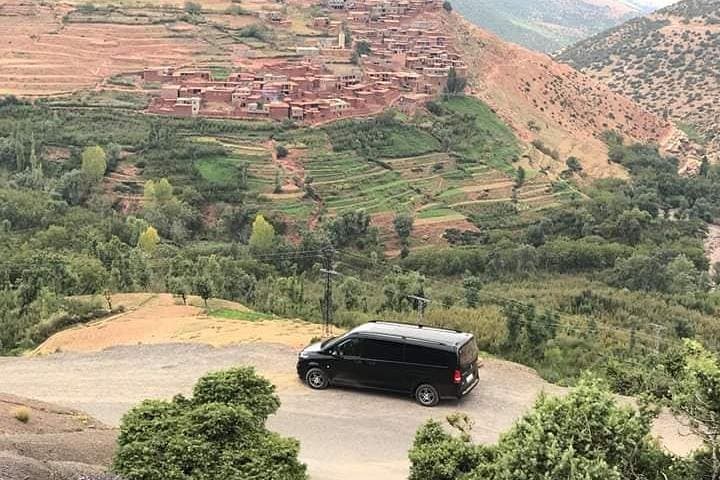


You leave Marrakech before the city fully wakes, the medina's mosaic of smells giving way to olive groves and a widening sky. The High Atlas rises like a folded spine to the south; villages cling to terraces and the mountains push a cool, stone-smoothed air toward you. By midmorning the van threads orchards in the Asni valley—apples, walnuts and cherries—then drops into Imlil where a short walk across stony footpaths exposes you to Toubkal’s looming presence.
You leave Marrakech before the city fully wakes, the medina's mosaic of smells giving way to olive groves and a widening sky. The High Atlas rises like a folded spine to the south; villages cling to terraces and the mountains push a cool, stone-smoothed air toward you. By midmorning the van threads orchards in the Asni valley—apples, walnuts and cherries—then drops into Imlil where a short walk across stony footpaths exposes you to Toubkal’s looming presence.
This corridor has been home to Amazigh (Berber) communities for centuries; their stone houses and mule tracks reflect an agrarian life adapted to steep slopes and sparse rainfall. Geologically the High Atlas is young and rugged, carved by uplift and winter storms; the Agafay near Marrakech is different—a rocky, lunar expanse of compacted stones and low scrub that acts like a stone desert rather than shifting sand.
Culture arrives in the form of a Berber lunch and teas poured with deliberate hospitality; drivers and local guides translate landscape into story. Expect abrupt shifts—mountain shade one hour, stark sun and open horizons the next—so timing matters.
Practical guide: wear broken-in hiking shoes for uneven village trails, bring sun protection and at least 1.5–2 liters of water, and plan on 6–8 hours including transfers. Mobile reception is intermittent in valleys; cash is useful for small purchases and tipping. If you want fewer passengers, choose a private option; if photography is the aim, aim for late afternoon light on the Agafay to catch long shadows and warm rock tones.