THE ADVENTURE COLLECTIVE® · Independent discovery and booking for outdoor travel

A full-day private drive from Marrakech into the High Atlas that stitches together Ourika, Oukaimeden, Asni and Sidi Fares valleys. Expect waterfall walks, Berber villages, orchard-lined roads and a home-cooked lunch in a Berber house.
A full-day private drive from Marrakech into the High Atlas that stitches together Ourika, Oukaimeden, Asni and Sidi Fares valleys. Expect waterfall walks, Berber villages, orchard-lined roads and a home-cooked lunch in a Berber house.
You leave Marrakech before the heat builds, the city falling away as the road climbs toward the High Atlas. Olive groves thin, adobe villages appear on sun-scrubbed slopes and the air sharpens; by mid-morning you’re watching a narrow river daring its way through the Ourika Valley while the first waterfall hisses against rock.
Verified experiences and guided adventures in the surrounding area.
Operated by Morocco Fez Tours · Marrakech, Marrakesh-Safi
You leave Marrakech before the heat builds, the city falling away as the road climbs toward the High Atlas. Olive groves thin, adobe villages appear on sun-scrubbed slopes and the air sharpens; by mid-morning you’re watching a narrow river daring its way through the Ourika Valley while the first waterfall hisses against rock.
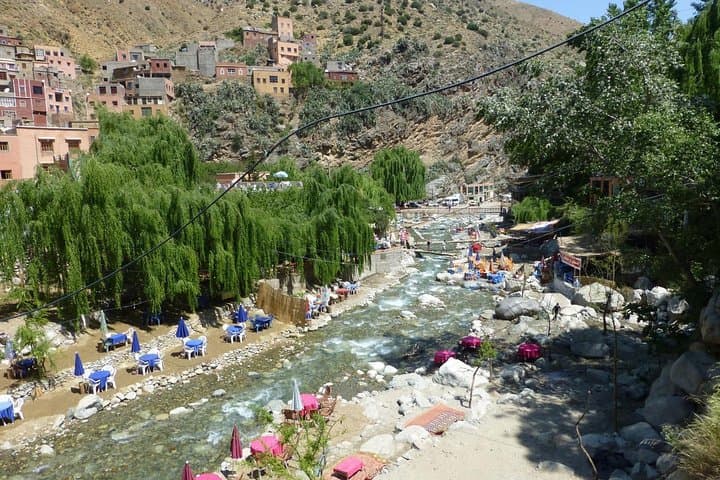
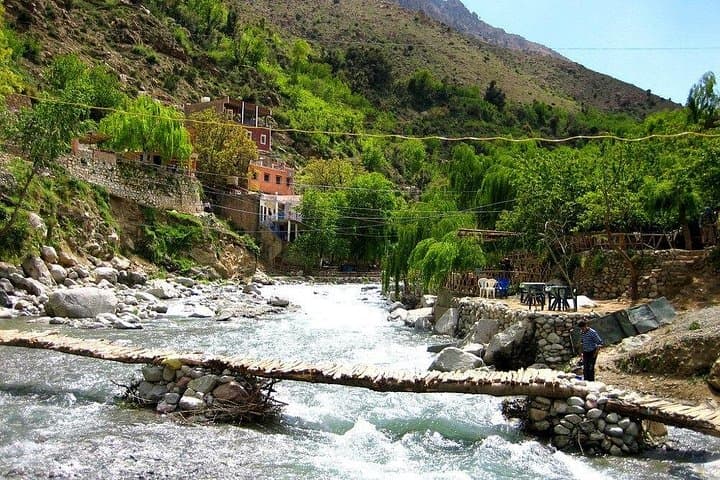
The High Atlas are young mountains in geological terms — folded sedimentary and volcanic rock raised by the African and Eurasian plates — and the drive stitches through distinct valleys: Ourika’s cascading streams, Oukaimeden’s high plains and ski slopes, Asni’s orchards, and the lesser-visited Sidi Fares with its quiet terraces. The region has long been home to Berber (Amazigh) communities; many villages are built from local stone and mud brick and maintain traditional agriculture and argan oil production.
Expect a 1–2 hour guided walk at the Ourika waterfalls on uneven stone paths with 150–400 feet of ascent depending on route, short village walks on packed dirt, and scenic drives along narrow mountain roads. Lunch in a family-run Berber house offers tagine and local hospitality.
Practical edge: start early, carry water and layers, and allow loose time for traffic and photo stops. The tour is accessible for most people who can manage short hikes on uneven terrain; winter can bring snow higher up at Oukaimeden and cooler temperatures. Respect private property in villages, ask before photographing people, and choose operators who support local guides and fair meals — it keeps tourism a positive force in the valleys you’ll travel through.
easy.
7 hours.
Suitable for most; you should be able to walk 1–2 hours on uneven trails and climb short stone steps.
The Ourika Valley is about a 45–60 minute drive from central Marrakech depending on traffic and your pickup location.
Yes—routes are chosen to be accessible; the itinerary involves short walks and a seated lunch, but inform the operator of mobility needs ahead of time.
Most operators include a stop to see women extracting argan oil and a visit to a family-run home for lunch, but confirm inclusions when booking.
Bring insulated layers, a warm hat, and a waterproof shell—higher elevations such as Oukaimeden can have snow and icy patches in winter.
The High Atlas has been inhabited by Berber (Amazigh) communities for millennia; villages retain ancient agricultural terraces and local pottery and weaving traditions.
Water scarcity and erosion are local concerns; favor operators who support local guides and minimize roadside litter and disturbance to agricultural plots.
Morocco Fez Tours operates guided outdoor trips and adventures with an emphasis on safety, stewardship, and memorable experiences.
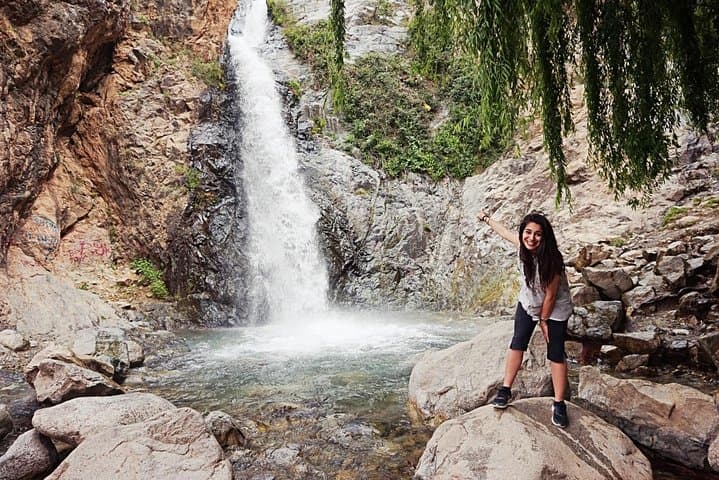
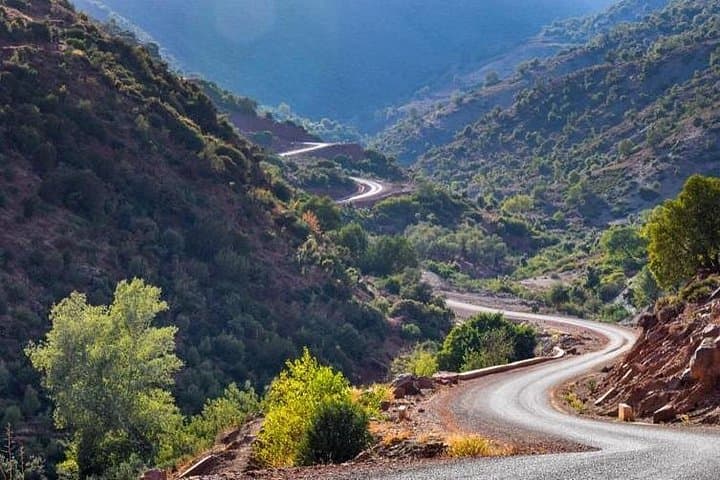
You leave Marrakech before the heat builds, the city falling away as the road climbs toward the High Atlas. Olive groves thin, adobe villages appear on sun-scrubbed slopes and the air sharpens; by mid-morning you’re watching a narrow river daring its way through the Ourika Valley while the first waterfall hisses against rock.
You leave Marrakech before the heat builds, the city falling away as the road climbs toward the High Atlas. Olive groves thin, adobe villages appear on sun-scrubbed slopes and the air sharpens; by mid-morning you’re watching a narrow river daring its way through the Ourika Valley while the first waterfall hisses against rock.
The High Atlas are young mountains in geological terms — folded sedimentary and volcanic rock raised by the African and Eurasian plates — and the drive stitches through distinct valleys: Ourika’s cascading streams, Oukaimeden’s high plains and ski slopes, Asni’s orchards, and the lesser-visited Sidi Fares with its quiet terraces. The region has long been home to Berber (Amazigh) communities; many villages are built from local stone and mud brick and maintain traditional agriculture and argan oil production.
Expect a 1–2 hour guided walk at the Ourika waterfalls on uneven stone paths with 150–400 feet of ascent depending on route, short village walks on packed dirt, and scenic drives along narrow mountain roads. Lunch in a family-run Berber house offers tagine and local hospitality.
Practical edge: start early, carry water and layers, and allow loose time for traffic and photo stops. The tour is accessible for most people who can manage short hikes on uneven terrain; winter can bring snow higher up at Oukaimeden and cooler temperatures. Respect private property in villages, ask before photographing people, and choose operators who support local guides and fair meals — it keeps tourism a positive force in the valleys you’ll travel through.