THE ADVENTURE COLLECTIVE® · Independent discovery and booking for outdoor travel

A full-day circuit from Marrakech that pairs the irrigated Imlil Valley and traditional Berber villages with the stark, rolling Agafay Desert. Expect moderate walks, an argan co-op visit, a rooftop family meal, and optional camel rides.
A full-day circuit from Marrakech that pairs the irrigated Imlil Valley and traditional Berber villages with the stark, rolling Agafay Desert. Expect moderate walks, an argan co-op visit, a rooftop family meal, and optional camel rides.
You step out of the air-conditioned van and the mountain air replaces the city’s dust: a sharp, dry scent threaded with thyme and smoke. Imlil opens as a shallow basin of stone houses and irrigated terraces, the High Atlas rising like a folded map above the village. The guide—often from a nearby Berber community—offers mint tea and stories before the route climbs past waterfalls and terraced orchards.
Verified experiences and guided adventures in the surrounding area.
Operated by Transfert Marrakech · Marrakech, Marrakech-Safi
You step out of the air-conditioned van and the mountain air replaces the city’s dust: a sharp, dry scent threaded with thyme and smoke. Imlil opens as a shallow basin of stone houses and irrigated terraces, the High Atlas rising like a folded map above the village. The guide—often from a nearby Berber community—offers mint tea and stories before the route climbs past waterfalls and terraced orchards.
This one-day loop connects distinct landscapes: the irrigated valleys shaped by centuries of Berber agriculture, the volcanic-derived Kik Plateau outcrops, and the stony Agafay desert where the terrain flattens to a light-brown expanse. Geology here alternates schist and limestone; humans have carved terraces and kuls (irrigation channels) to harness scarce mountain water, while women’s argan co-operatives in the lower foothills preserve both tradition and livelihoods.
Expect short, moderate hikes between settlements, rooftop lunches in Ait Souka with valley views, and optional camel or horse rides on the Agafay plains. Cultural exchanges are direct: argan pressing demonstrations, chats with local families, and a look at terraced farming techniques that date back generations.
Practical side: start early from Marrakech to avoid heat and traffic, wear grippy shoes for rocky trail and terrace paths, carry 2 liters of water, and bring sun protection—the Agafay exposes you to full sun. The day’s pace is sociable rather than technical, making it a solid choice for travelers who want a concentrated slice of Atlas life without multi-day trekking.
moderate.
8–10 hours.
Moderate fitness for 2–4 hours of walking with short climbs and uneven terrain
Expect about 8–10 hours door-to-door depending on traffic; most departures are early morning with return in the evening.
Yes for school-age children with moderate fitness, but infants or those needing constant attention may find the walking and travel tiring.
Yes—many operators offer optional short camel or horse rides on the Agafay; these are optional and priced separately.
Yes—the co-op visit is interactive and typically includes a demonstration of traditional argan pressing and the chance to buy products; tip and purchase appropriately.
The High Atlas has long been home to Amazigh (Berber) communities who developed terraced irrigation and transhumant routes; argan production and family-run co-ops reflect centuries of local craft.
Support local co-operatives and stay on marked paths to protect fragile soils; water is scarce—pack out waste and minimize plastic use.
Transfert Marrakech operates guided outdoor trips and adventures with an emphasis on safety, stewardship, and memorable experiences.
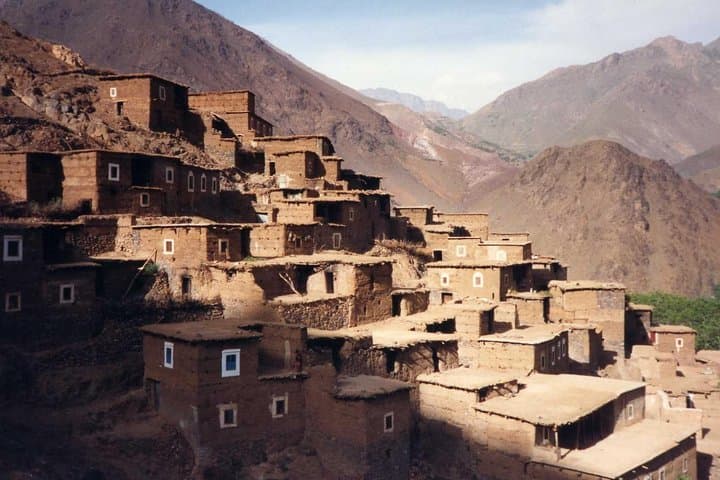
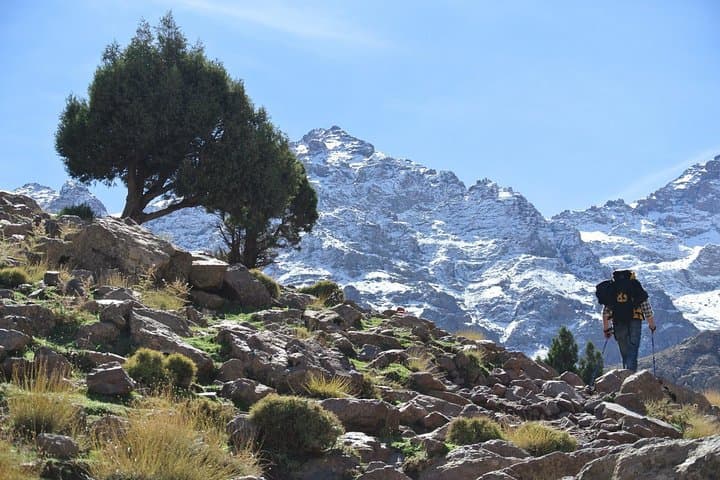
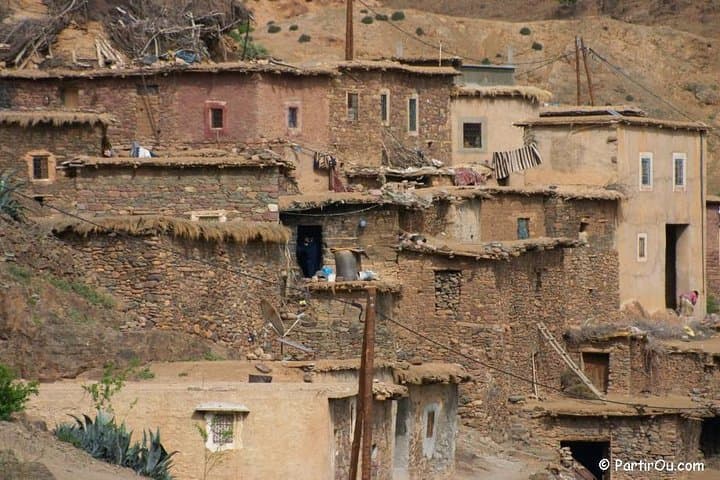
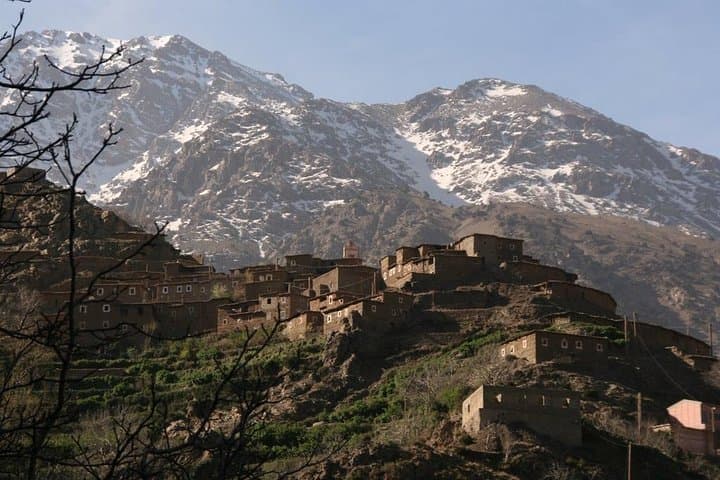
You step out of the air-conditioned van and the mountain air replaces the city’s dust: a sharp, dry scent threaded with thyme and smoke. Imlil opens as a shallow basin of stone houses and irrigated terraces, the High Atlas rising like a folded map above the village. The guide—often from a nearby Berber community—offers mint tea and stories before the route climbs past waterfalls and terraced orchards.
You step out of the air-conditioned van and the mountain air replaces the city’s dust: a sharp, dry scent threaded with thyme and smoke. Imlil opens as a shallow basin of stone houses and irrigated terraces, the High Atlas rising like a folded map above the village. The guide—often from a nearby Berber community—offers mint tea and stories before the route climbs past waterfalls and terraced orchards.
This one-day loop connects distinct landscapes: the irrigated valleys shaped by centuries of Berber agriculture, the volcanic-derived Kik Plateau outcrops, and the stony Agafay desert where the terrain flattens to a light-brown expanse. Geology here alternates schist and limestone; humans have carved terraces and kuls (irrigation channels) to harness scarce mountain water, while women’s argan co-operatives in the lower foothills preserve both tradition and livelihoods.
Expect short, moderate hikes between settlements, rooftop lunches in Ait Souka with valley views, and optional camel or horse rides on the Agafay plains. Cultural exchanges are direct: argan pressing demonstrations, chats with local families, and a look at terraced farming techniques that date back generations.
Practical side: start early from Marrakech to avoid heat and traffic, wear grippy shoes for rocky trail and terrace paths, carry 2 liters of water, and bring sun protection—the Agafay exposes you to full sun. The day’s pace is sociable rather than technical, making it a solid choice for travelers who want a concentrated slice of Atlas life without multi-day trekking.