THE ADVENTURE COLLECTIVE® · Independent discovery and booking for outdoor travel

Spend a full day from Marrakech exploring the High Atlas: gentle village walks in Imlil, a hidden waterfall, a Berber family lunch, and a camel ride across the stony Agafay desert. This trip pairs close cultural access with sweeping mountain and desert views.
Spend a full day from Marrakech exploring the High Atlas: gentle village walks in Imlil, a hidden waterfall, a Berber family lunch, and a camel ride across the stony Agafay desert. This trip pairs close cultural access with sweeping mountain and desert views.
Drive out of Marrakech and the city noise thins into a wide sky; the tarmac gives way to olive terraces and then to the stepped roofs of Berber villages clinging to the southern flanks of the High Atlas. You arrive in Imlil with dust on your shoes and a mountain air that seems to push you up the gentle lanes. A short, easy walk threads through gated homes and mule tracks, the sound of water daring you toward a tucked waterfall.
Verified experiences and guided adventures in the surrounding area.
Operated by Marrakesh Travel Guide · Imlil, Marrakech-Safi
Drive out of Marrakech and the city noise thins into a wide sky; the tarmac gives way to olive terraces and then to the stepped roofs of Berber villages clinging to the southern flanks of the High Atlas. You arrive in Imlil with dust on your shoes and a mountain air that seems to push you up the gentle lanes. A short, easy walk threads through gated homes and mule tracks, the sound of water daring you toward a tucked waterfall.
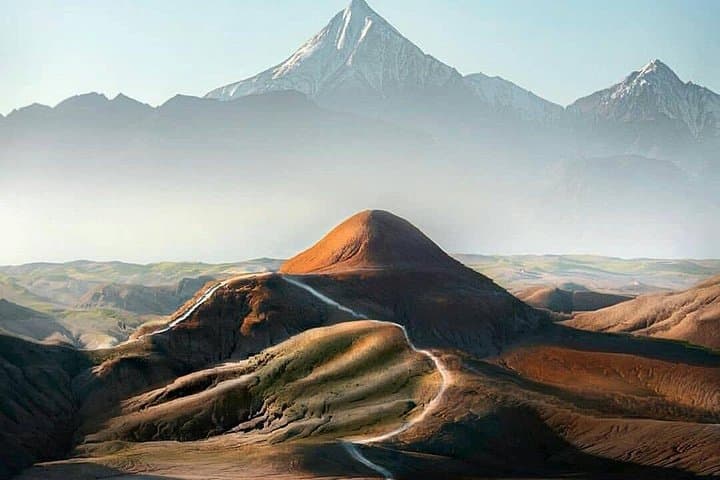
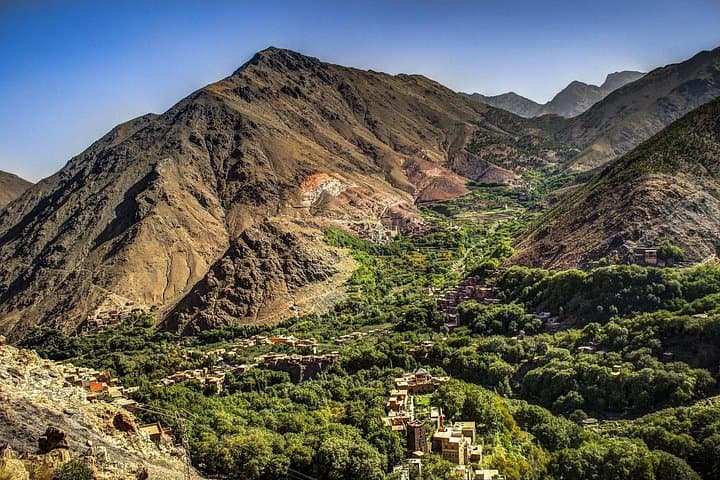
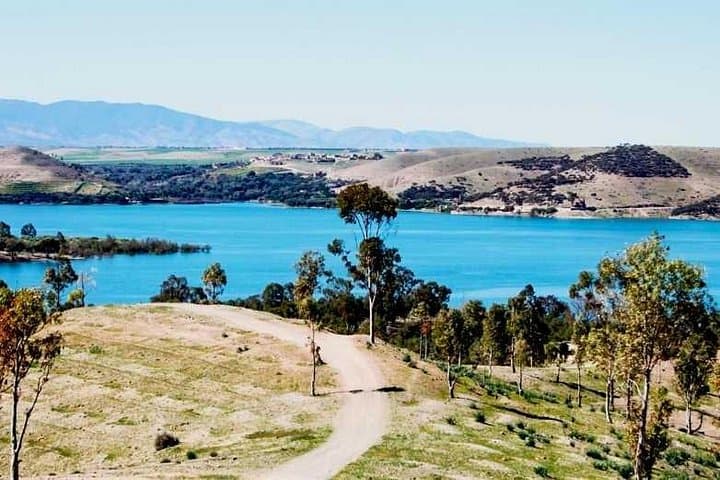
These valleys are carved from young, tectonically uplifted rock—sharp ridgelines, volcanic outcrops and alluvial terraces where Amazigh (Berber) communities have farmed for centuries. Local cooperatives keep weaving and tea culture alive; lunch in a family house is as much a cultural exchange as a meal. Higher up, the landscape opens to views of North Africa’s tallest peaks; on the return trip the Agafay stone desert stretches like a low, lunar plain into the distance, punctuated by the glint of Takerkoust Dam.
Expect easy walking (largely village lanes and short trails), a photographed waterfall stop, a market visit, a home-cooked lunch, and a short camel ride near Lalla Takerkoust. Bring layered clothing for rapidly changing temperatures, a refillable water bottle, and modest dress out of respect for local customs. Timing mid-morning gives softer light on the valleys; late afternoon returns offer warm, desert sunsets. The trip balances cultural encounters and landscape viewing—practical, sensory, and accessible in one full day from Marrakech.
easy.
7–8 hours.
Suitable for travelers who can walk 1–3 miles on uneven ground and manage short ascents; not strenuous.
Most stops are at modest elevations under 2,500 m; if you have cardiorespiratory issues consult a doctor but normal travelers rarely need special acclimatization.
Camel rides are short and typically gentle, but mobility or balance issues should be considered; operators provide assistance mounting and dismounting.
Lunch is a home-cooked Berber meal—inform your operator ahead of time about allergies or dietary needs so they can accommodate where possible.
Expect roughly 45–90 minutes of driving to valley access points depending on traffic and chosen stops; total tour time is about 7.5 hours.
The High Atlas has been home to Amazigh communities for millennia; villages grew around seasonal agriculture and trade routes connecting the mountain plateaus to Marrakech.
Water is scarce—carry and use water thoughtfully; support local cooperatives and choose operators who practice responsible waste management.
Marrakesh Travel Guide operates guided outdoor trips and adventures with an emphasis on safety, stewardship, and memorable experiences.
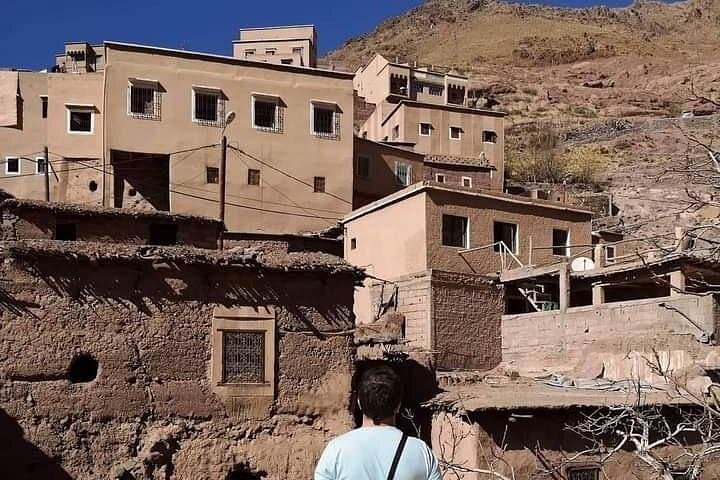
Drive out of Marrakech and the city noise thins into a wide sky; the tarmac gives way to olive terraces and then to the stepped roofs of Berber villages clinging to the southern flanks of the High Atlas. You arrive in Imlil with dust on your shoes and a mountain air that seems to push you up the gentle lanes. A short, easy walk threads through gated homes and mule tracks, the sound of water daring you toward a tucked waterfall.
Drive out of Marrakech and the city noise thins into a wide sky; the tarmac gives way to olive terraces and then to the stepped roofs of Berber villages clinging to the southern flanks of the High Atlas. You arrive in Imlil with dust on your shoes and a mountain air that seems to push you up the gentle lanes. A short, easy walk threads through gated homes and mule tracks, the sound of water daring you toward a tucked waterfall.
These valleys are carved from young, tectonically uplifted rock—sharp ridgelines, volcanic outcrops and alluvial terraces where Amazigh (Berber) communities have farmed for centuries. Local cooperatives keep weaving and tea culture alive; lunch in a family house is as much a cultural exchange as a meal. Higher up, the landscape opens to views of North Africa’s tallest peaks; on the return trip the Agafay stone desert stretches like a low, lunar plain into the distance, punctuated by the glint of Takerkoust Dam.
Expect easy walking (largely village lanes and short trails), a photographed waterfall stop, a market visit, a home-cooked lunch, and a short camel ride near Lalla Takerkoust. Bring layered clothing for rapidly changing temperatures, a refillable water bottle, and modest dress out of respect for local customs. Timing mid-morning gives softer light on the valleys; late afternoon returns offer warm, desert sunsets. The trip balances cultural encounters and landscape viewing—practical, sensory, and accessible in one full day from Marrakech.