THE ADVENTURE COLLECTIVE® · Independent discovery and booking for outdoor travel

A full-day escape from Marrakech into the High Atlas: short village walks, a mule or camel ride, a market stop in Asni and lunch with a Berber family in Imlil — all with panoramic views of Jbel Toubkal.
A full-day escape from Marrakech into the High Atlas: short village walks, a mule or camel ride, a market stop in Asni and lunch with a Berber family in Imlil — all with panoramic views of Jbel Toubkal.
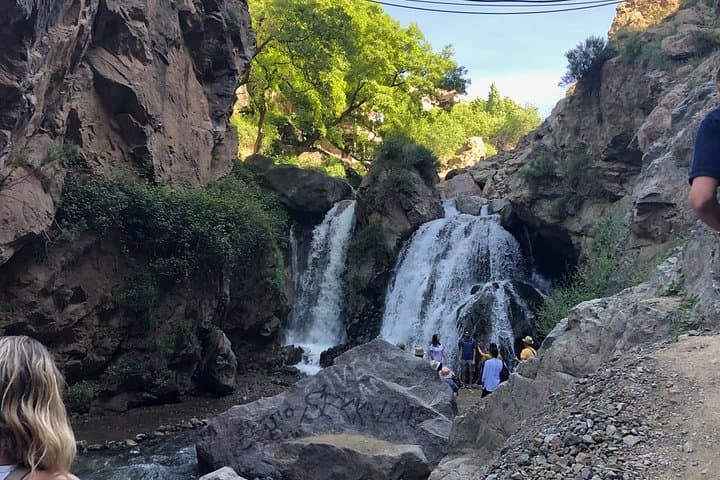
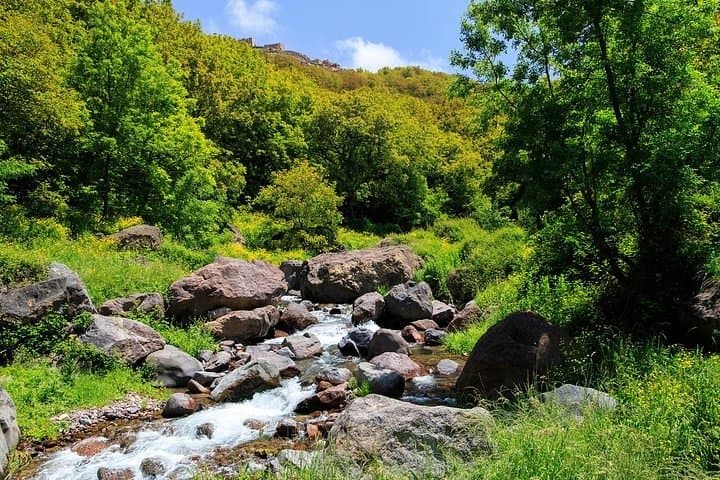
Leave Marrakech’s ochre walls before dawn and watch the city shrink as the road tightens into the High Atlas. The air sharpens, and villages of flat-roofed stone appear on slopes where terraced fields cling to the mountain. By midmorning you’ll be walking a shaded mule track, the peaks of Jbel Toubkal presiding above like a slow-moving current that redirects your sense of scale.
Verified experiences and guided adventures in the surrounding area.
Operated by Atlas Mountains Guided Tour · Imlil, Marrakesh-Safi
Leave Marrakech’s ochre walls before dawn and watch the city shrink as the road tightens into the High Atlas. The air sharpens, and villages of flat-roofed stone appear on slopes where terraced fields cling to the mountain. By midmorning you’ll be walking a shaded mule track, the peaks of Jbel Toubkal presiding above like a slow-moving current that redirects your sense of scale.
This route threads history and geology: volcanic and metamorphic ridges folded by tectonics support thin soils and irrigated terraces that have fed Berber families for centuries. Imlil and Aremd are living villages — homes, mule stables and a weekly market where local dress and dialect speak to Amazigh heritage. Expect encounters with farmers, a short camel or mule ride in Asni, and a hospitality-led lunch in a family home where mint tea punctuates conversation.
Practically, the day trip runs about seven hours with an early pickup in Marrakech and returns by late afternoon. The walking is short and mostly on well-used paths, but elevation and sun exposure make footwear, water, and sun protection essential. Guides translate and arrange logistics; tipping local hosts and guides is customary. Keep your camera ready for wide valley views and small moments — shepherds, stacked stone terraces, and children guiding goats.
Plan for variable temperatures (cool mornings, warm midday), be respectful when photographing people, and support local businesses by buying crafts at the market. The trip is an accessible, compact introduction to High Atlas life and the landscapes that draw trekkers toward North Africa’s highest peak.
moderate.
7 hours.
Moderate fitness; suitable for most walkers who can handle short uphill sections and unpaved paths.
The full experience is about 7 hours, including transport; pickup is usually early morning and return in late afternoon.
Walks are short and on established village tracks; basic mobility is sufficient, though there are uphill sections.
A traditional Berber lunch and snacks/tea are included; bring extra cash for market purchases or additional drinks.
Yes — air-conditioned vehicle transport with hotel pickup and drop-off in Marrakech is typically included.
The High Atlas has been home to Amazigh (Berber) communities for millennia; Imlil serves as a traditional gateway for ascents of Jbel Toubkal, North Africa’s highest peak.
Tourism supports local livelihoods but increases trail erosion and waste; stick to paths, carry out all trash, and hire local guides to ensure benefits stay in the community.
Atlas Mountains Guided Tour operates guided outdoor trips and adventures with an emphasis on safety, stewardship, and memorable experiences.


Leave Marrakech’s ochre walls before dawn and watch the city shrink as the road tightens into the High Atlas. The air sharpens, and villages of flat-roofed stone appear on slopes where terraced fields cling to the mountain. By midmorning you’ll be walking a shaded mule track, the peaks of Jbel Toubkal presiding above like a slow-moving current that redirects your sense of scale.
Leave Marrakech’s ochre walls before dawn and watch the city shrink as the road tightens into the High Atlas. The air sharpens, and villages of flat-roofed stone appear on slopes where terraced fields cling to the mountain. By midmorning you’ll be walking a shaded mule track, the peaks of Jbel Toubkal presiding above like a slow-moving current that redirects your sense of scale.
This route threads history and geology: volcanic and metamorphic ridges folded by tectonics support thin soils and irrigated terraces that have fed Berber families for centuries. Imlil and Aremd are living villages — homes, mule stables and a weekly market where local dress and dialect speak to Amazigh heritage. Expect encounters with farmers, a short camel or mule ride in Asni, and a hospitality-led lunch in a family home where mint tea punctuates conversation.
Practically, the day trip runs about seven hours with an early pickup in Marrakech and returns by late afternoon. The walking is short and mostly on well-used paths, but elevation and sun exposure make footwear, water, and sun protection essential. Guides translate and arrange logistics; tipping local hosts and guides is customary. Keep your camera ready for wide valley views and small moments — shepherds, stacked stone terraces, and children guiding goats.
Plan for variable temperatures (cool mornings, warm midday), be respectful when photographing people, and support local businesses by buying crafts at the market. The trip is an accessible, compact introduction to High Atlas life and the landscapes that draw trekkers toward North Africa’s highest peak.