THE ADVENTURE COLLECTIVE® · Independent discovery and booking for outdoor travel

A full-day sweep of the High Atlas from Marrakech that pairs short hikes to Setti Fatma’s waterfalls with a riverside lunch, camel ride and panoramic stops through Berber villages. Expect 9 hours of varied terrain, culture and mountain views.
A full-day sweep of the High Atlas from Marrakech that pairs short hikes to Setti Fatma’s waterfalls with a riverside lunch, camel ride and panoramic stops through Berber villages. Expect 9 hours of varied terrain, culture and mountain views.
You leave Marrakech in the cool of the morning and the city’s clay walls recede into olive groves and zigzagging roads that climb the southern slopes of the High Atlas.
Verified experiences and guided adventures in the surrounding area.
Operated by Deep South Travel Marrakech · Marrakech, Marrakech-Safi
You leave Marrakech in the cool of the morning and the city’s clay walls recede into olive groves and zigzagging roads that climb the southern slopes of the High Atlas.
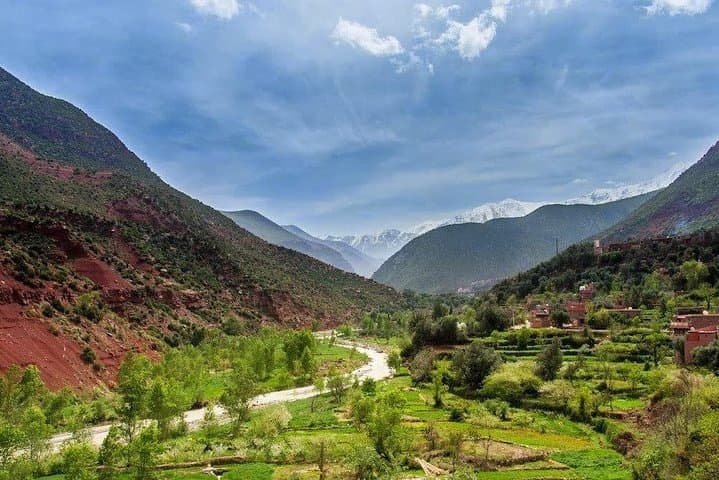
The minivan threads through terraced fields and tiny Berber villages; the air sharpens as you gain altitude toward Setti Fatma and the waterfalls of the Ourika Valley. A short, guided hike takes you along rocky tracks and across river crossings to cascades that demand a pause—water daring you to step closer—before lunch at a riverside restaurant where mint tea appears like an invitation to slow down.
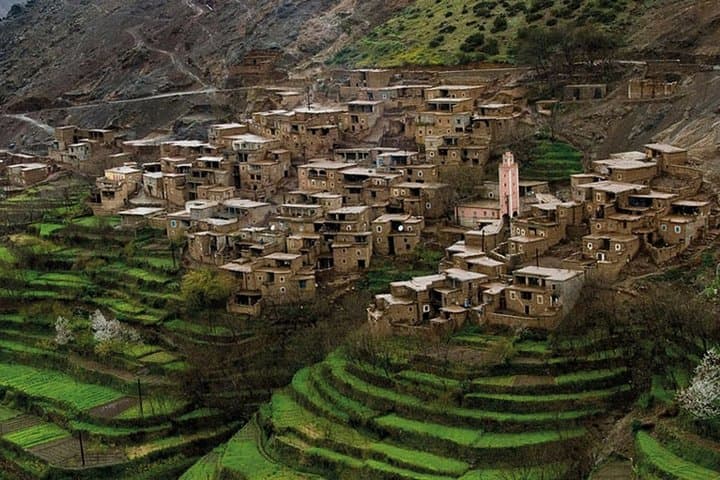
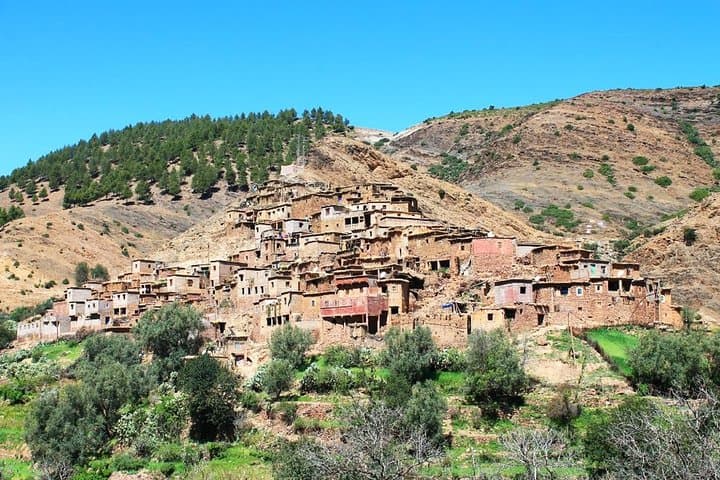
Geology here is plain to see: folded, uplifted limestone and shale pushed up by the collision of the African and Eurasian plates, with valleys cut by seasonal rivers. Culturally, the High Atlas remains tied to Amazigh (Berber) lifeways—stone houses, terraced farming and small markets in Asni and Setti Fatma where trade has run for centuries.
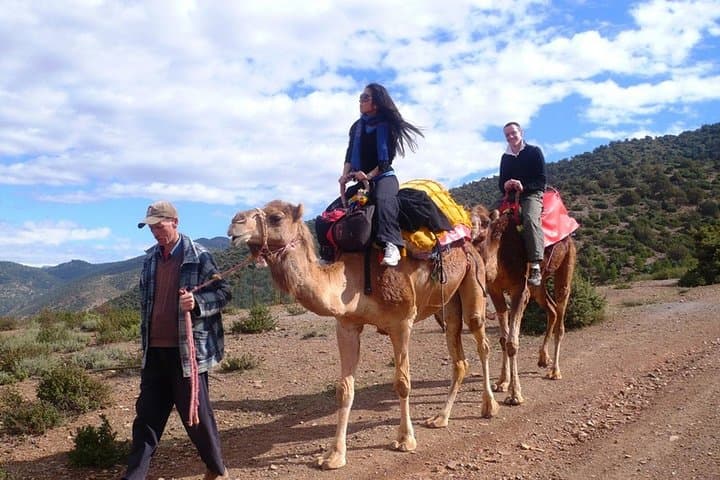
Practical guidance: plan for a 9-hour day with roughly 45–90 minutes of driving each way depending on stops, and short hikes of 1–3 km with up to 300 m of occasional elevation change. Wear sturdy shoes with good grip, bring layered clothing (mountain sun can be strong one moment and windy the next), and carry cash for small village purchases. Expect a camel ride on gentler terrain and mint-tea stops with locals.
This trip is ideal if you want a compact sweep of Atlas landscapes, accessible walks, and a tangible encounter with Berber hospitality without overnight logistics.
moderate.
9–9.5 hours.
Suitable for travelers with basic fitness: able to walk 1–3 km on uneven trails and tolerate full-day outings with periods of driving.
Expect roughly 45 minutes to Ourika Valley and up to 90 minutes to Oukaïmeden depending on traffic and exact stops.
The main waterfall trail involves uneven steps and short climbs; it’s family-friendly but not suitable for those with serious mobility issues.
Yes—this tour includes lunch at a riverside restaurant and a short camel ride in the Ourika area as listed in the itinerary.
Yes—families often join; infants must sit on laps but infant seats are available. Check specific booking requirements before you go.
The High Atlas shaped local Amazigh culture for millennia; these valleys were seasonal trade and pastoral routes linking mountain communities to Marrakech.
Water scarcity and tourist pressure on trails are growing concerns—stick to paths, avoid single-use plastics, and support local businesses to keep visits sustainable.
Deep South Travel Marrakech operates guided outdoor trips and adventures with an emphasis on safety, stewardship, and memorable experiences.
You leave Marrakech in the cool of the morning and the city’s clay walls recede into olive groves and zigzagging roads that climb the southern slopes of the High Atlas.
You leave Marrakech in the cool of the morning and the city’s clay walls recede into olive groves and zigzagging roads that climb the southern slopes of the High Atlas.
The minivan threads through terraced fields and tiny Berber villages; the air sharpens as you gain altitude toward Setti Fatma and the waterfalls of the Ourika Valley. A short, guided hike takes you along rocky tracks and across river crossings to cascades that demand a pause—water daring you to step closer—before lunch at a riverside restaurant where mint tea appears like an invitation to slow down.
Geology here is plain to see: folded, uplifted limestone and shale pushed up by the collision of the African and Eurasian plates, with valleys cut by seasonal rivers. Culturally, the High Atlas remains tied to Amazigh (Berber) lifeways—stone houses, terraced farming and small markets in Asni and Setti Fatma where trade has run for centuries.
Practical guidance: plan for a 9-hour day with roughly 45–90 minutes of driving each way depending on stops, and short hikes of 1–3 km with up to 300 m of occasional elevation change. Wear sturdy shoes with good grip, bring layered clothing (mountain sun can be strong one moment and windy the next), and carry cash for small village purchases. Expect a camel ride on gentler terrain and mint-tea stops with locals.
This trip is ideal if you want a compact sweep of Atlas landscapes, accessible walks, and a tangible encounter with Berber hospitality without overnight logistics.