THE ADVENTURE COLLECTIVE® · Independent discovery and booking for outdoor travel

Escape Marrakech for the High Atlas on a private day trip through Ourika Valley, Takerkoust Lake and Berber villages. Hike to waterfalls, visit an argan cooperative and enjoy riverside lunch with mountain views.
Escape Marrakech for the High Atlas on a private day trip through Ourika Valley, Takerkoust Lake and Berber villages. Hike to waterfalls, visit an argan cooperative and enjoy riverside lunch with mountain views.
You leave the bustle of Jemaa el-Fnaa behind and climb toward stone-washed peaks; the air sharpens and the road peels away from Marrakech into scrub and almond trees. By mid-morning the Ourika River is pulling your attention—its current daring you to follow the noise of waterfalls up a narrow trail toward hamlets of flat-roofed Berber houses.
Verified experiences and guided adventures in the surrounding area.
Operated by Maroc Excursions · Marrakech, Marrakech-Safi
You leave the bustle of Jemaa el-Fnaa behind and climb toward stone-washed peaks; the air sharpens and the road peels away from Marrakech into scrub and almond trees. By mid-morning the Ourika River is pulling your attention—its current daring you to follow the noise of waterfalls up a narrow trail toward hamlets of flat-roofed Berber houses.
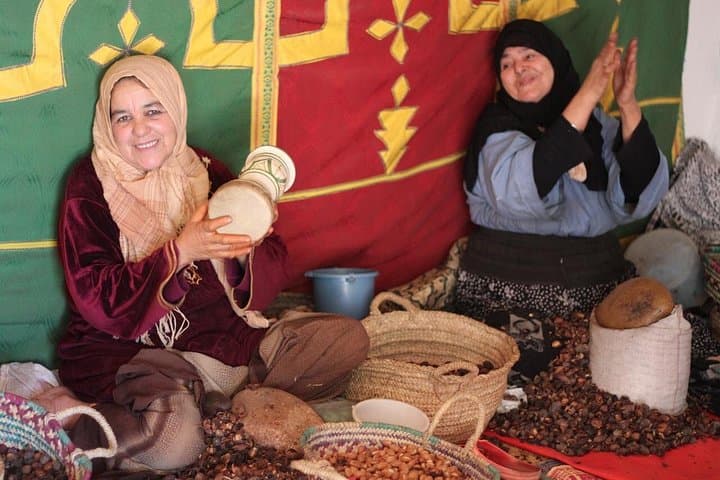
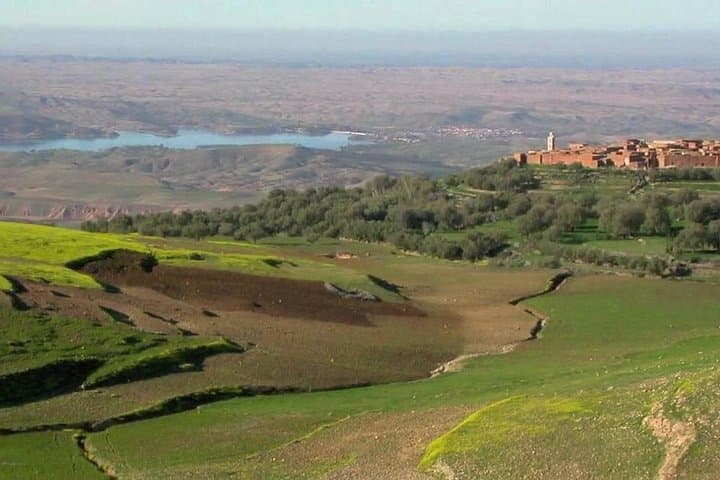
The route threads history and geology: volcanic and sedimentary beds folded into the High Atlas by tectonic collision, terraced fields that record centuries of mountain agriculture, and roadside souks that still move livestock and woven goods in the same rhythm as local markets decades ago. You’ll visit a women’s argan cooperative—an entry point into local economy and culture—and pass Takerkoust lake, a reservoir that contrasts the dry, rocky ridgelines.
Expect short hikes (Setti Fatma’s cascades are a common option), a riverside lunch, a camel ride experience near the lake, and panoramic pauses at the Kik Plateau. Guides explain Berber family life and point out geological features while ferrying you in an air-conditioned minivan.
Practical guidance: bring layered clothing for cool mornings and warmer afternoons, sturdy shoes for uneven stone paths, and a reusable water bottle; trails can be slippery after rain. Plan for a nine-hour day with multiple short stops and limited long-distance walking unless you opt in. If you value meaningful local trade, buy from small co-ops and keep photography polite—ask before photographing people.
moderate.
9 hours.
Suitable for most travelers with light to moderate fitness; able to manage short hikes and uneven terrain.
The trip is about 9 hours total; pick-up is typically in the morning from Marrakech with a late-afternoon return.
Hiking to Setti Fatma’s waterfalls involves uneven trails and short climbs—suitable for most fitness levels but not for those with limited mobility.
Yes—bottled water and a riverside lunch are included in the excursion price.
Children can join but must be accompanied by an adult; the operator notes a minimum of two people per booking and provides infant seats on request.
The High Atlas are home to Amazigh (Berber) communities whose terraced agriculture and village layouts date back centuries; argan oil production is an important local economic tradition.
Water resources and trail erosion are local concerns—stay on marked paths, avoid single-use plastics where possible, and support community co-ops to channel tourism benefits locally.
Maroc Excursions operates guided outdoor trips and adventures with an emphasis on safety, stewardship, and memorable experiences.
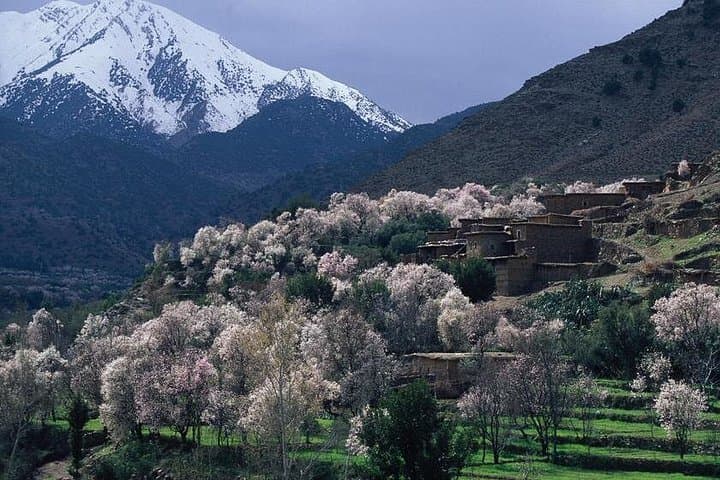
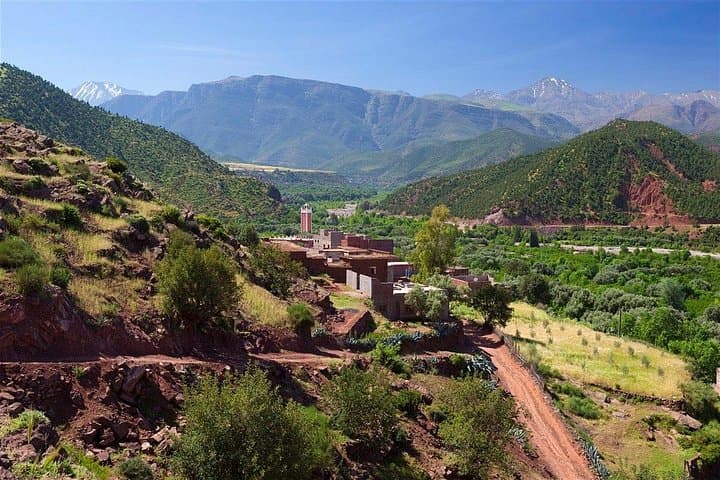
You leave the bustle of Jemaa el-Fnaa behind and climb toward stone-washed peaks; the air sharpens and the road peels away from Marrakech into scrub and almond trees. By mid-morning the Ourika River is pulling your attention—its current daring you to follow the noise of waterfalls up a narrow trail toward hamlets of flat-roofed Berber houses.
You leave the bustle of Jemaa el-Fnaa behind and climb toward stone-washed peaks; the air sharpens and the road peels away from Marrakech into scrub and almond trees. By mid-morning the Ourika River is pulling your attention—its current daring you to follow the noise of waterfalls up a narrow trail toward hamlets of flat-roofed Berber houses.
The route threads history and geology: volcanic and sedimentary beds folded into the High Atlas by tectonic collision, terraced fields that record centuries of mountain agriculture, and roadside souks that still move livestock and woven goods in the same rhythm as local markets decades ago. You’ll visit a women’s argan cooperative—an entry point into local economy and culture—and pass Takerkoust lake, a reservoir that contrasts the dry, rocky ridgelines.
Expect short hikes (Setti Fatma’s cascades are a common option), a riverside lunch, a camel ride experience near the lake, and panoramic pauses at the Kik Plateau. Guides explain Berber family life and point out geological features while ferrying you in an air-conditioned minivan.
Practical guidance: bring layered clothing for cool mornings and warmer afternoons, sturdy shoes for uneven stone paths, and a reusable water bottle; trails can be slippery after rain. Plan for a nine-hour day with multiple short stops and limited long-distance walking unless you opt in. If you value meaningful local trade, buy from small co-ops and keep photography polite—ask before photographing people.