THE ADVENTURE COLLECTIVE® · Independent discovery and booking for outdoor travel

Leave Marrakech for a day of mountain air, walnut groves and a guided hike through Imlil’s waterfalls. This day trip combines short, scenic walks with a Berber home lunch and optional camel ride.
Leave Marrakech for a day of mountain air, walnut groves and a guided hike through Imlil’s waterfalls. This day trip combines short, scenic walks with a Berber home lunch and optional camel ride.
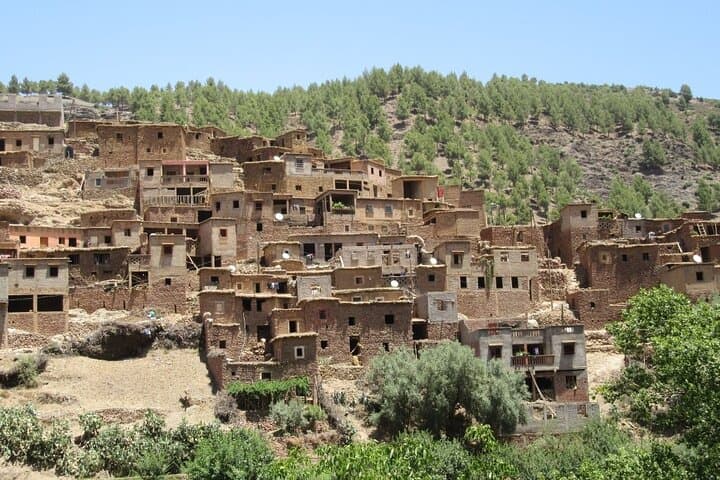
A cool morning leaves Marrakech’s ochre walls behind as the road climbs into the High Atlas, switchbacks opening the valley like pages. By the time you reach Imlil the air feels thinner and the walnut trees stand as if holding the slopes together. The village is a working place—stone houses, irrigated orchards and a river that dares you to follow its course toward the waterfalls.
Verified experiences and guided adventures in the surrounding area.
Operated by Trips From Marrakech · Imlil, Marrakech-Safi
A cool morning leaves Marrakech’s ochre walls behind as the road climbs into the High Atlas, switchbacks opening the valley like pages. By the time you reach Imlil the air feels thinner and the walnut trees stand as if holding the slopes together. The village is a working place—stone houses, irrigated orchards and a river that dares you to follow its course toward the waterfalls.
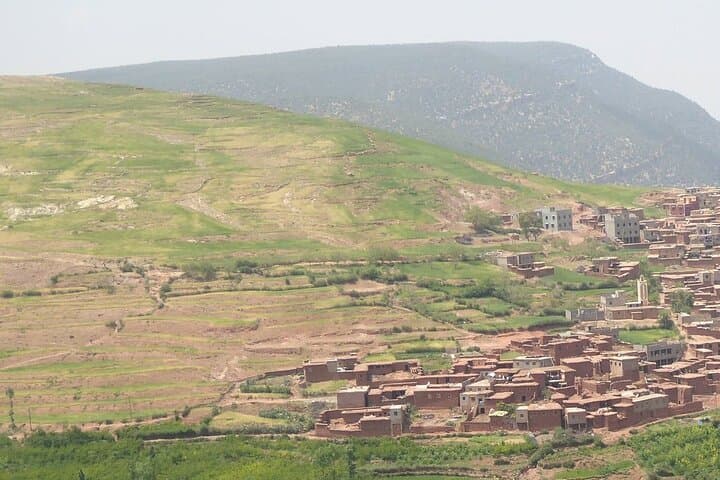
These valleys were once caravan routes linking Marrakech to mountain pastures; geology here is Mesozoic limestone folded against younger volcanic intrusions, with the bulk of the range crowned by Jbel Toubkal (4,167 m) visible on clear days. Local life is Berber: families who farm terraces, cooperative-run argan and olive production, weekly markets on set days and small guest homes that still cook over wood fires.
The organized day trip pairs a 1–1.5 hour drive each way from Marrakech with a guided hike in the Imlil and waterfall area—expect 2–6 km of walking on dirt and rocky tracks, with short steeper sections and an elevation change of several hundred metres depending on how high you go. Optional camel rides and a visit to a cooperative add cultural context; lunch in a Berber home gives a direct taste of local cooking.
Practical notes: start early to avoid midday heat, wear grippy shoes for uneven trails, carry 1–2 litres of water and a light layer for mountain breezes. The route is accessible for most hikers with moderate fitness and rewards with close-up mountain views, orchard scents and straightforward cultural exchange.
moderate.
6–8 hours.
Moderate fitness: able to walk 2–6 km on uneven terrain and ascend short steep sections.
Expect roughly 1 to 1.5 hours each way depending on traffic and photo stops along the mountain road.
The guided hike is flexible—typically 2–6 km on dirt and rocky paths with short steep sections; it’s suitable for most people of average fitness.
Lunch in a local Berber home is included on this tour and usually features tagine-style dishes, fresh bread and mint tea; options can accommodate common dietary needs if notified in advance.
A short camel ride is offered as an optional stop (often at an additional small fee) and is usually brief and suitable for first-time riders.
These valleys were part of historic caravan routes and are home to Amazigh (Berber) communities whose mountain agriculture and cooperative crafts persist today.
Visitor foot traffic can accelerate erosion on narrow trails; support local cooperatives and follow Leave No Trace practices to reduce impact.
Trips From Marrakech operates guided outdoor trips and adventures with an emphasis on safety, stewardship, and memorable experiences.
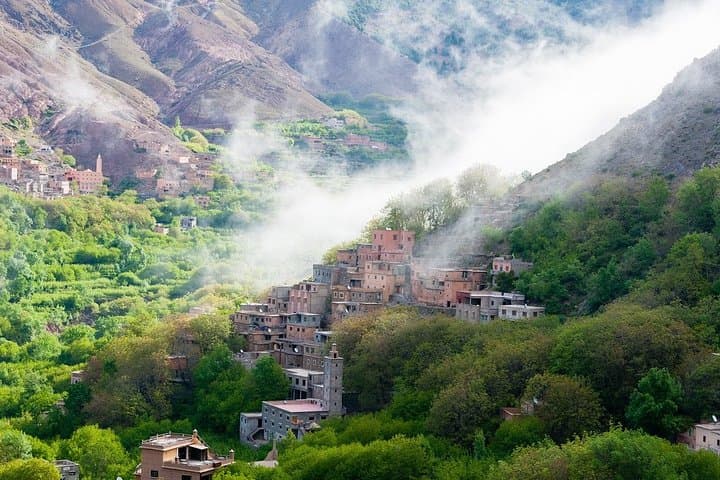
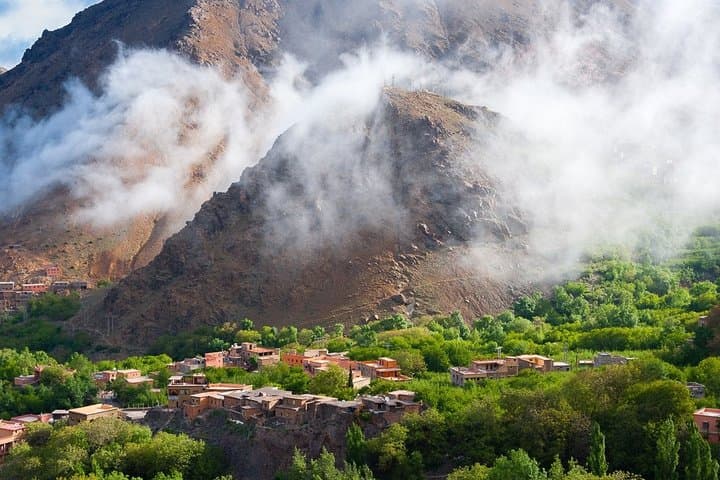
A cool morning leaves Marrakech’s ochre walls behind as the road climbs into the High Atlas, switchbacks opening the valley like pages. By the time you reach Imlil the air feels thinner and the walnut trees stand as if holding the slopes together. The village is a working place—stone houses, irrigated orchards and a river that dares you to follow its course toward the waterfalls.
A cool morning leaves Marrakech’s ochre walls behind as the road climbs into the High Atlas, switchbacks opening the valley like pages. By the time you reach Imlil the air feels thinner and the walnut trees stand as if holding the slopes together. The village is a working place—stone houses, irrigated orchards and a river that dares you to follow its course toward the waterfalls.
These valleys were once caravan routes linking Marrakech to mountain pastures; geology here is Mesozoic limestone folded against younger volcanic intrusions, with the bulk of the range crowned by Jbel Toubkal (4,167 m) visible on clear days. Local life is Berber: families who farm terraces, cooperative-run argan and olive production, weekly markets on set days and small guest homes that still cook over wood fires.
The organized day trip pairs a 1–1.5 hour drive each way from Marrakech with a guided hike in the Imlil and waterfall area—expect 2–6 km of walking on dirt and rocky tracks, with short steeper sections and an elevation change of several hundred metres depending on how high you go. Optional camel rides and a visit to a cooperative add cultural context; lunch in a Berber home gives a direct taste of local cooking.
Practical notes: start early to avoid midday heat, wear grippy shoes for uneven trails, carry 1–2 litres of water and a light layer for mountain breezes. The route is accessible for most hikers with moderate fitness and rewards with close-up mountain views, orchard scents and straightforward cultural exchange.