THE ADVENTURE COLLECTIVE® · Independent discovery and booking for outdoor travel

Leave Marrakech for a day amid the High Atlas: short walks through Imlil Valley, a visit to waterfalls, and stops at Berber villages and an argan cooperative. This accessible day tour pairs light hiking with cultural stops and a village lunch.
Leave Marrakech for a day amid the High Atlas: short walks through Imlil Valley, a visit to waterfalls, and stops at Berber villages and an argan cooperative. This accessible day tour pairs light hiking with cultural stops and a village lunch.
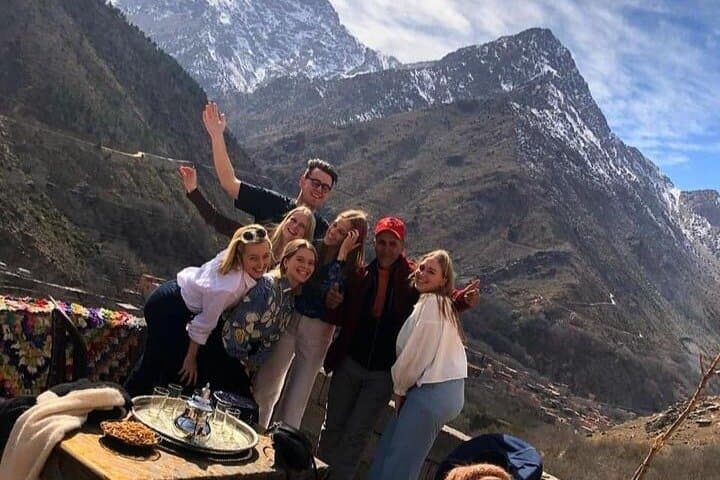
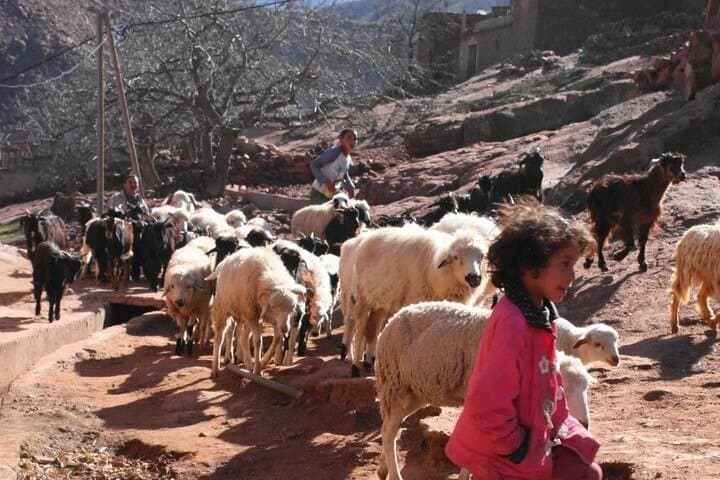
A pale morning light lifts off the red clay roofs of Marrakech as the van threads south toward the High Atlas. Within an hour and a half the city thins and the road climbs into terraces and stone villages; the air sharpens, and the mountains begin to push at the horizon. The day unfolds on narrow tracks that follow gullies and streams, with a steady rhythm of village gates, goats, and fields of barley.
Verified experiences and guided adventures in the surrounding area.
Operated by Marrakesh Day Tours · Imlil, Marrakech-Safi
A pale morning light lifts off the red clay roofs of Marrakech as the van threads south toward the High Atlas. Within an hour and a half the city thins and the road climbs into terraces and stone villages; the air sharpens, and the mountains begin to push at the horizon. The day unfolds on narrow tracks that follow gullies and streams, with a steady rhythm of village gates, goats, and fields of barley.
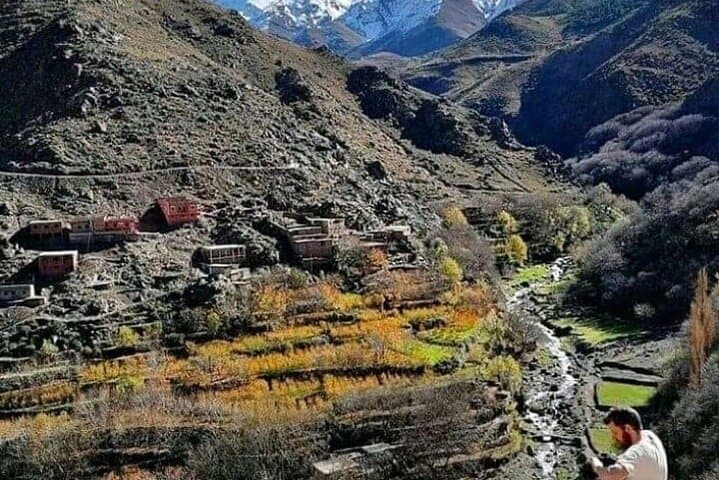
This route moves through the heart of Amazigh (Berber) country where small houses cluster around spring-fed terraces. Geologically, the High Atlas is composed of folded sedimentary rock and granite uplifted by tectonic collision; the valleys funnel meltwater that powers the waterfalls you reach on foot. Cultural stops include an argan cooperative and occasional markets where local women sell olive oil, honey, and argan products — practices shaped by centuries of mountain life.
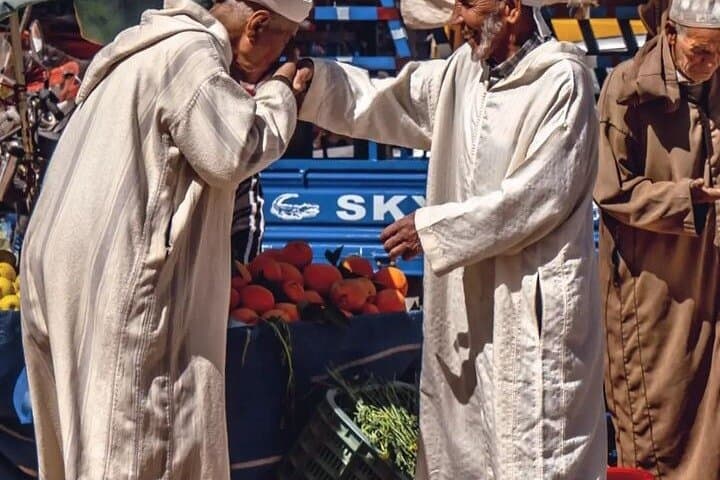
Expect roughly 1.5 hours of walking on uneven, often rocky trails with short ascents and panoramic viewpoint breaks. Bring sun protection and sturdy shoes; the weather swings quickly at higher elevation and streams can be slippery after rain. Guides introduce local customs — a polite greeting, removing shoes for some homes — and keep groups on time for the return to Marrakech by late afternoon.
Practically, the tour combines short walks, cultural encounters, and a village-prepared lunch; it’s an accessible way to experience the Atlas beyond the city without technical climbing. Hydrate, wear layers, and carry local currency for market purchases.
easy.
6–7 hours.
Suitable for casual hikers who can manage 1–2 hours of walking on uneven ground and short ascents.
Walking totals about 1.5 hours spread over several short stages between villages and to the waterfall.
Yes—most tours include hotel pickup in Marrakech or a designated meeting point; confirm your pickup location when booking.
A local Berber-prepared lunch and bottled water are included in the tour price.
The tour is family-friendly but involves uneven paths; travelers with limited mobility should check with the operator about specific accessibility needs.
The Imlil Valley has long been inhabited by Amazigh (Berber) communities whose agriculture and mountain routes predate modern borders; local crafts like argan oil production are deeply rooted in these traditions.
Tourism brings income but also pressure on water and trails; follow leave-no-trace principles, avoid single-use plastics, and support community cooperatives.
Marrakesh Day Tours operates guided outdoor trips and adventures with an emphasis on safety, stewardship, and memorable experiences.
A pale morning light lifts off the red clay roofs of Marrakech as the van threads south toward the High Atlas. Within an hour and a half the city thins and the road climbs into terraces and stone villages; the air sharpens, and the mountains begin to push at the horizon. The day unfolds on narrow tracks that follow gullies and streams, with a steady rhythm of village gates, goats, and fields of barley.
A pale morning light lifts off the red clay roofs of Marrakech as the van threads south toward the High Atlas. Within an hour and a half the city thins and the road climbs into terraces and stone villages; the air sharpens, and the mountains begin to push at the horizon. The day unfolds on narrow tracks that follow gullies and streams, with a steady rhythm of village gates, goats, and fields of barley.
This route moves through the heart of Amazigh (Berber) country where small houses cluster around spring-fed terraces. Geologically, the High Atlas is composed of folded sedimentary rock and granite uplifted by tectonic collision; the valleys funnel meltwater that powers the waterfalls you reach on foot. Cultural stops include an argan cooperative and occasional markets where local women sell olive oil, honey, and argan products — practices shaped by centuries of mountain life.
Expect roughly 1.5 hours of walking on uneven, often rocky trails with short ascents and panoramic viewpoint breaks. Bring sun protection and sturdy shoes; the weather swings quickly at higher elevation and streams can be slippery after rain. Guides introduce local customs — a polite greeting, removing shoes for some homes — and keep groups on time for the return to Marrakech by late afternoon.
Practically, the tour combines short walks, cultural encounters, and a village-prepared lunch; it’s an accessible way to experience the Atlas beyond the city without technical climbing. Hydrate, wear layers, and carry local currency for market purchases.