THE ADVENTURE COLLECTIVE® · Independent discovery and booking for outdoor travel

A five-day guided route through High Atlas Berber villages that balances steady mountain walking with cultural immersion. Hike mule tracks and passes up to ~2,500m, stay in guesthouses or bivouacs, and learn local traditions from experienced guides.
A five-day guided route through High Atlas Berber villages that balances steady mountain walking with cultural immersion. Hike mule tracks and passes up to ~2,500m, stay in guesthouses or bivouacs, and learn local traditions from experienced guides.
The trail opens with the crunch of mule tracks underfoot and a view that tightens your breath: terraced red clay villages clinging to steep ribs of the High Atlas, pine and juniper slopes folding into distant peaks. You begin near Imi Oughlad and move through switchbacks, walnut groves and open ridgelines, arriving each evening at a gîte or simple bivouac where guides share stories of local life over tagine.
Verified experiences and guided adventures in the surrounding area.
Operated by Toubkal Experience · Imlil, Marrakesh-Safi
The trail opens with the crunch of mule tracks underfoot and a view that tightens your breath: terraced red clay villages clinging to steep ribs of the High Atlas, pine and juniper slopes folding into distant peaks. You begin near Imi Oughlad and move through switchbacks, walnut groves and open ridgelines, arriving each evening at a gîte or simple bivouac where guides share stories of local life over tagine.
Geology here is direct — ancient granite and schist hewn into narrow valleys by seasonal torrents — and the passes you cross (to roughly 2,500m) mark the divide between farming valleys and high summer pastures. The villages on this route are inhabited by Amazigh (Berber) communities whose language, architecture and terraced agriculture have shaped these slopes for centuries.
Cultural moments are quiet and immediate: a shepherd’s flock threading a path, women grinding grain, and the ritual of mint tea offered to guests. The trek’s pace is deliberately unhurried, designed for acclimatization and to appreciate small features — a spring, a cedar stand, a remote shrine.
Practical guidance: expect 3–6 hours of walking on most days with sustained climbs to 1,800–2,500m, rocky tracks and occasional loose scree. Bring sturdy boots, layered clothing for large diurnal swings, and a daypack with water and snacks. Guides provide meals, luggage transport by mule and local knowledge that keeps route choices safe and culturally respectful. Start in Marrakech, allow an extra day before or after the trek, and budget cash for small purchases and tips.
moderate.
5 days.
Moderately fit — should manage 3–6 hours walking per day with 400–800m gains on some days; comfortable with multi-day hiking.
Daily walking ranges typically 3–6 hours with climbs to passes near 2,500m; the route is graded moderate and suitable for hikers who can handle sustained uphill and uneven terrain.
Nights alternate between simple local guesthouses (gîtes) and well-organized bivouacs; all meals are provided and are typically local Moroccan dishes including tagine, salads and bread.
While most altitudes are below extreme levels, ascending to ~2,500m can affect some people; guides pace the trek to aid acclimatization—stay hydrated and report symptoms early.
A licensed local guide is included in this trip; while permits aren’t required for these village routes, guides provide navigation, cultural access and safety in mountain terrain.
The High Atlas has hosted Amazigh communities for centuries; villages on this route reflect terraced agriculture and centuries-old transhumance patterns between summer pastures and valley farms.
Trails cross fragile alpine meadows; stick to established paths, pack out waste and use local guides who support community-based tourism and mule transport to minimize impact.
Toubkal Experience operates guided outdoor trips and adventures with an emphasis on safety, stewardship, and memorable experiences.
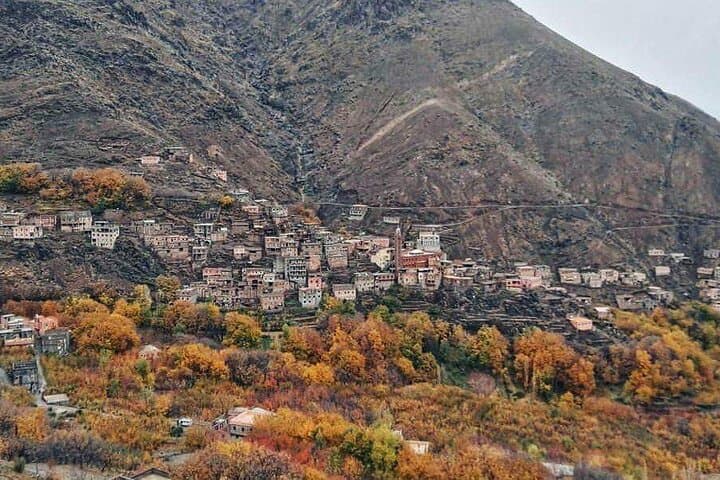


The trail opens with the crunch of mule tracks underfoot and a view that tightens your breath: terraced red clay villages clinging to steep ribs of the High Atlas, pine and juniper slopes folding into distant peaks. You begin near Imi Oughlad and move through switchbacks, walnut groves and open ridgelines, arriving each evening at a gîte or simple bivouac where guides share stories of local life over tagine.
The trail opens with the crunch of mule tracks underfoot and a view that tightens your breath: terraced red clay villages clinging to steep ribs of the High Atlas, pine and juniper slopes folding into distant peaks. You begin near Imi Oughlad and move through switchbacks, walnut groves and open ridgelines, arriving each evening at a gîte or simple bivouac where guides share stories of local life over tagine.
Geology here is direct — ancient granite and schist hewn into narrow valleys by seasonal torrents — and the passes you cross (to roughly 2,500m) mark the divide between farming valleys and high summer pastures. The villages on this route are inhabited by Amazigh (Berber) communities whose language, architecture and terraced agriculture have shaped these slopes for centuries.
Cultural moments are quiet and immediate: a shepherd’s flock threading a path, women grinding grain, and the ritual of mint tea offered to guests. The trek’s pace is deliberately unhurried, designed for acclimatization and to appreciate small features — a spring, a cedar stand, a remote shrine.
Practical guidance: expect 3–6 hours of walking on most days with sustained climbs to 1,800–2,500m, rocky tracks and occasional loose scree. Bring sturdy boots, layered clothing for large diurnal swings, and a daypack with water and snacks. Guides provide meals, luggage transport by mule and local knowledge that keeps route choices safe and culturally respectful. Start in Marrakech, allow an extra day before or after the trek, and budget cash for small purchases and tips.