THE ADVENTURE COLLECTIVE® · Independent discovery and booking for outdoor travel

Drive up from Marrakech into the High Atlas for short village hikes, kasbah views, and a home-cooked lunch with Berber hosts. This private day tour pairs cultural insight with accessible highland walks and panoramic vistas.
Drive up from Marrakech into the High Atlas for short village hikes, kasbah views, and a home-cooked lunch with Berber hosts. This private day tour pairs cultural insight with accessible highland walks and panoramic vistas.
A low-slung 4x4 kicks up ochre dust as the road climbs from Marrakech toward the High Atlas. The air sharpens, stone walls step into terraces, and small villages of mud-brick kasbahs appear like functional sculptures against the slopes. Walks off the track lead past irrigation channels and thyme-scented scrub; viewpoints open to long ridgelines and a sense of distance.
Verified experiences and guided adventures in the surrounding area.
Operated by islan excursions & loisirs · Marrakech, Marrakech-Safi
A low-slung 4x4 kicks up ochre dust as the road climbs from Marrakech toward the High Atlas. The air sharpens, stone walls step into terraces, and small villages of mud-brick kasbahs appear like functional sculptures against the slopes. Walks off the track lead past irrigation channels and thyme-scented scrub; viewpoints open to long ridgelines and a sense of distance.
The High Atlas is a young fold of the Atlas orogeny, where limestone and volcanic bands warp into narrow valleys. For centuries Amazigh (Berber) communities here have farmed high terraces and guided caravans through seasonal passes; many villages still practice communal irrigation and maintain distinctive earthen architecture. The cultural tempo is deliberate: midday mint tea, afternoon strolls, and a practical hospitality that centers food and conversation.
On this private day tour, expect a mix of short guided walks, photo stops, and a sit-down lunch—often with local hosts on a panoramic terrace. Guides explain irrigation systems, local building techniques, and seasonal crops. The terrain is rocky but not technical; hiking shoes and steady footing are sufficient for most sections.
Practical guidance: start early to avoid midday heat in summer and to catch clearer mountain views; bring at least 1–2 liters of water, sun protection, and a light layer for wind at higher elevations. Respect private property and ask before photographing people. If you want to extend the experience, ask your guide about overnight stays in a guesthouse or longer treks into Toubkal’s foothills.
easy.
4–8 hours.
Suitable for travelers in average physical condition; includes short, non-technical walks on uneven ground.
The tour runs about 4–8 hours and typically includes 4×4 transport, a local guide, short walks, lunch, water and tea.
Walks are short and non-technical, suitable for most ages; families with infants should request infant seats when booking.
Yes—most operators can adjust meals with advance notice; note any restrictions when booking.
Yes; Marrakech has multiple transport options. Confirm pickup details with the operator to plan your arrival.
Amazigh communities have farmed these slopes for centuries; kasbahs and terraced fields reflect long-standing communal agricultural practices.
Erosion and water scarcity are local concerns—respect trails, avoid straying on fragile terraces, and support local guides and family-run meals to keep economic benefits in the valleys.
islan excursions & loisirs operates guided outdoor trips and adventures with an emphasis on safety, stewardship, and memorable experiences.
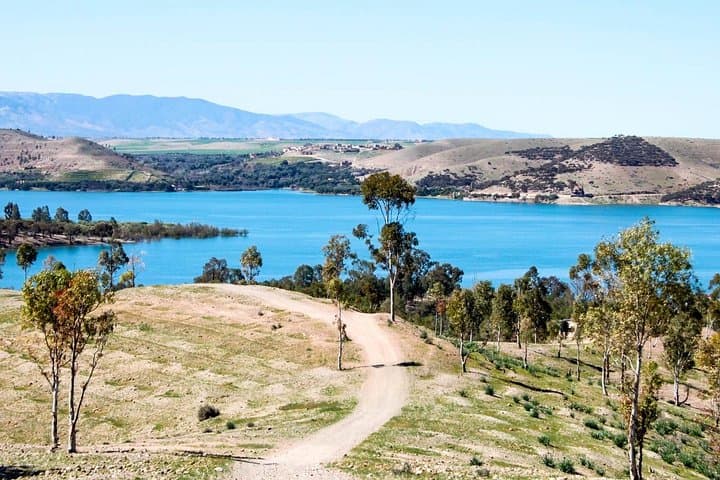
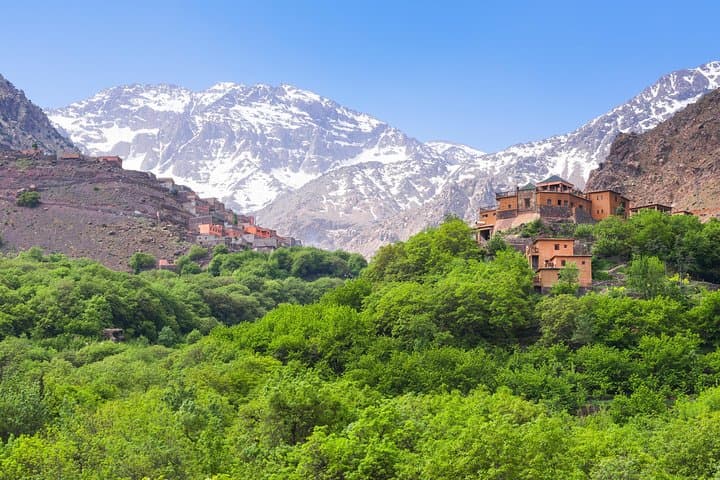
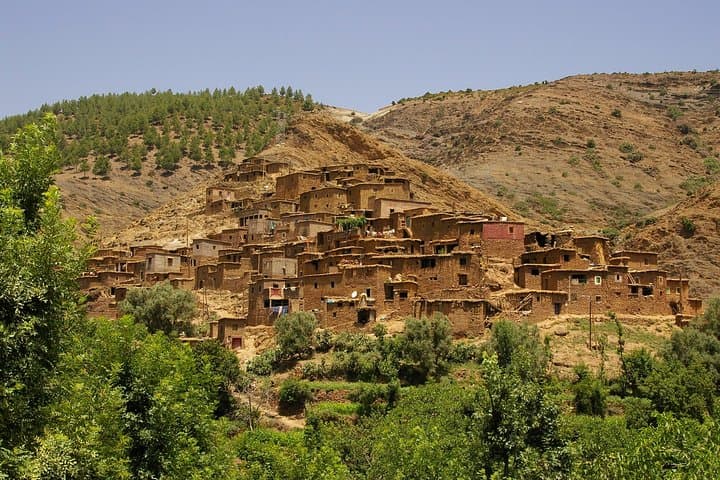
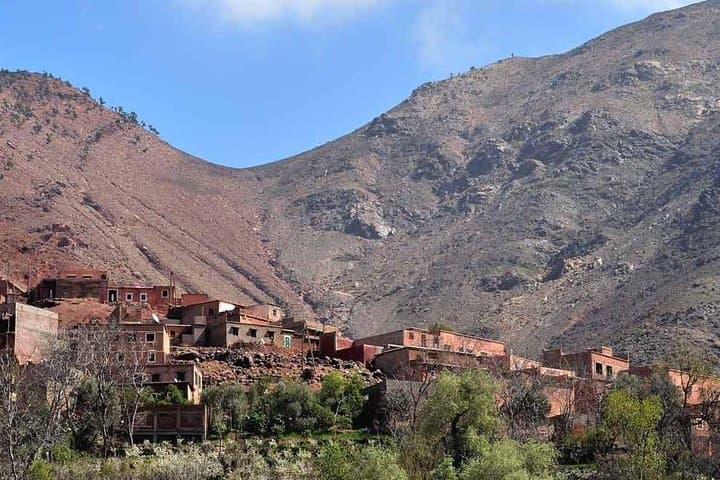
A low-slung 4x4 kicks up ochre dust as the road climbs from Marrakech toward the High Atlas. The air sharpens, stone walls step into terraces, and small villages of mud-brick kasbahs appear like functional sculptures against the slopes. Walks off the track lead past irrigation channels and thyme-scented scrub; viewpoints open to long ridgelines and a sense of distance.
A low-slung 4x4 kicks up ochre dust as the road climbs from Marrakech toward the High Atlas. The air sharpens, stone walls step into terraces, and small villages of mud-brick kasbahs appear like functional sculptures against the slopes. Walks off the track lead past irrigation channels and thyme-scented scrub; viewpoints open to long ridgelines and a sense of distance.
The High Atlas is a young fold of the Atlas orogeny, where limestone and volcanic bands warp into narrow valleys. For centuries Amazigh (Berber) communities here have farmed high terraces and guided caravans through seasonal passes; many villages still practice communal irrigation and maintain distinctive earthen architecture. The cultural tempo is deliberate: midday mint tea, afternoon strolls, and a practical hospitality that centers food and conversation.
On this private day tour, expect a mix of short guided walks, photo stops, and a sit-down lunch—often with local hosts on a panoramic terrace. Guides explain irrigation systems, local building techniques, and seasonal crops. The terrain is rocky but not technical; hiking shoes and steady footing are sufficient for most sections.
Practical guidance: start early to avoid midday heat in summer and to catch clearer mountain views; bring at least 1–2 liters of water, sun protection, and a light layer for wind at higher elevations. Respect private property and ask before photographing people. If you want to extend the experience, ask your guide about overnight stays in a guesthouse or longer treks into Toubkal’s foothills.