THE ADVENTURE COLLECTIVE® · Independent discovery and booking for outdoor travel

A day trek from Cuenca into Cajas National Park takes you across glacial lakes, Polylepis forests and windswept páramo. Expect 7–8 hours, high elevation (up to 3,960 m), hotel pickup and guided walks suited to moderately fit travelers.
A day trek from Cuenca into Cajas National Park takes you across glacial lakes, Polylepis forests and windswept páramo. Expect 7–8 hours, high elevation (up to 3,960 m), hotel pickup and guided walks suited to moderately fit travelers.
The bus eases out of Cuenca and the city roofs shrink beneath the high plain; by the time the road reaches the park, the air carries a clean, metallic edge that nudges lungs and attention alike.
Verified experiences and guided adventures in the surrounding area.
Operated by Polylepis Tours · Cuenca, Azuay
The bus eases out of Cuenca and the city roofs shrink beneath the high plain; by the time the road reaches the park, the air carries a clean, metallic edge that nudges lungs and attention alike.
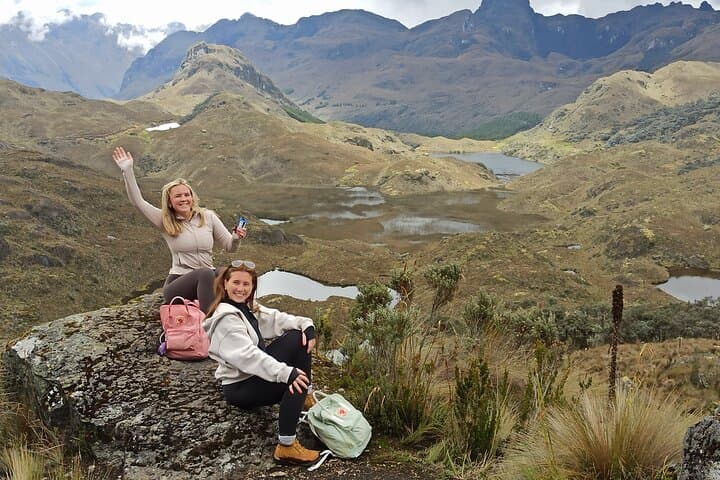
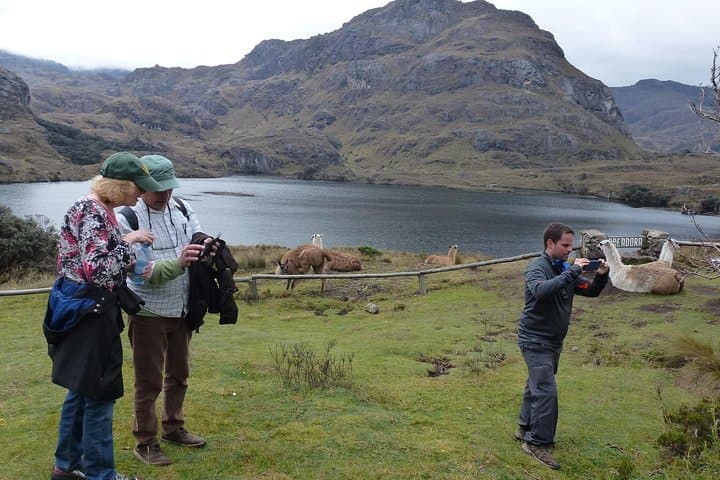
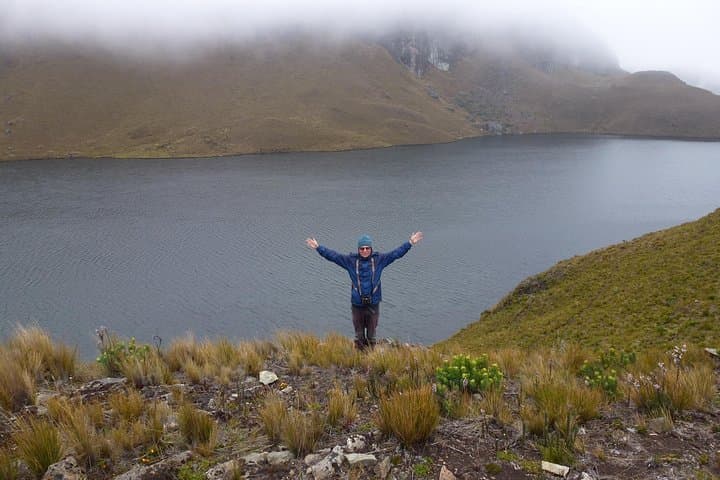
Cajas National Park sits roughly 32 km west of Cuenca, a high Andean landscape carved by ice where more than 200 glacial lakes cut glassy scars across páramo and Polylepis groves. The tour typically climbs to about 3,960 meters at the Toreadora sector for an initial hike across wind-sculpted moorland, then drops to the lower Llaviuco basin near 3,150 meters to walk a lake loop. Guides point out peatlands, cushion plants and the gnarled Polylepis trees that hold soil and water for the valley below.
This territory was traversed by the Cañari people and later incorporated into Inca routes; the lakes and wetlands are also critical watersheds for Cuenca. Visiting here feels like moving through living geology—the old glaciers that hollowed these basins still direct where water pools and where cloud and wind gather.
Practically, expect a full 7–8 hour day with hotel pickup, private vehicle transport, and a guide. Trails vary from wet, peat-rich ground to rutted stone paths; footing can be slippery and sun strong when clouds break. Acclimatize in Cuenca, layer for cold and wind, bring 2–3 liters of water, and plan for moderate walking at altitude. Options include lunch at a local restaurant; confirm whether lunch is included when you book.
moderate.
7–8 hours.
Moderate fitness required; comfortable walking at high elevation and on uneven ground.
Yes—sections of the tour reach near 3,960 m; take it slow, hydrate, and avoid heavy exertion on your first day in Cuenca.
Some booking options include lunch while others do not; verify your selected option and inform guides of dietary needs in advance.
Walks are moderate: uneven surfaces, wet peat, and short elevation changes—no technical climbing, but a reasonable level of fitness is needed.
Minimum age for this specific tour is 11 years; organizers may require an adult guardian per child.
The Cañari people lived in the valleys here before Inca incorporation; routes through Cajas were part of pre-Columbian travel and water management networks.
Cajas is a protected watershed for Cuenca; grazing pressure, peat degradation and climate change threaten wetlands, so stick to trails and follow guide instructions.
Polylepis Tours operates guided outdoor trips and adventures with an emphasis on safety, stewardship, and memorable experiences.
The bus eases out of Cuenca and the city roofs shrink beneath the high plain; by the time the road reaches the park, the air carries a clean, metallic edge that nudges lungs and attention alike.
The bus eases out of Cuenca and the city roofs shrink beneath the high plain; by the time the road reaches the park, the air carries a clean, metallic edge that nudges lungs and attention alike.
Cajas National Park sits roughly 32 km west of Cuenca, a high Andean landscape carved by ice where more than 200 glacial lakes cut glassy scars across páramo and Polylepis groves. The tour typically climbs to about 3,960 meters at the Toreadora sector for an initial hike across wind-sculpted moorland, then drops to the lower Llaviuco basin near 3,150 meters to walk a lake loop. Guides point out peatlands, cushion plants and the gnarled Polylepis trees that hold soil and water for the valley below.
This territory was traversed by the Cañari people and later incorporated into Inca routes; the lakes and wetlands are also critical watersheds for Cuenca. Visiting here feels like moving through living geology—the old glaciers that hollowed these basins still direct where water pools and where cloud and wind gather.
Practically, expect a full 7–8 hour day with hotel pickup, private vehicle transport, and a guide. Trails vary from wet, peat-rich ground to rutted stone paths; footing can be slippery and sun strong when clouds break. Acclimatize in Cuenca, layer for cold and wind, bring 2–3 liters of water, and plan for moderate walking at altitude. Options include lunch at a local restaurant; confirm whether lunch is included when you book.