THE ADVENTURE COLLECTIVE® · Independent discovery and booking for outdoor travel

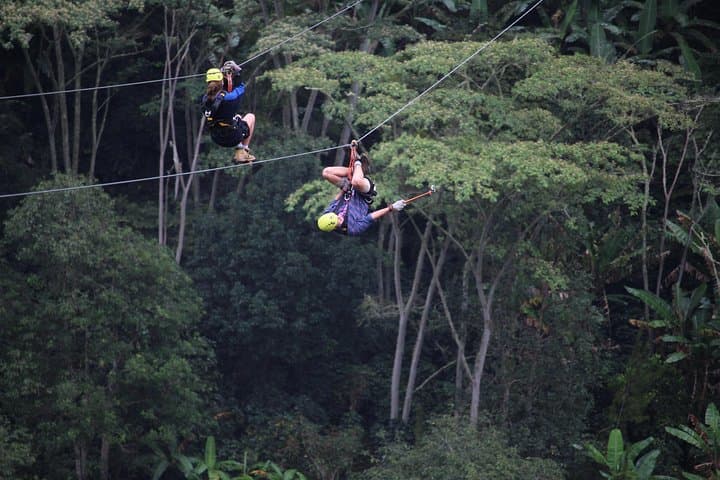
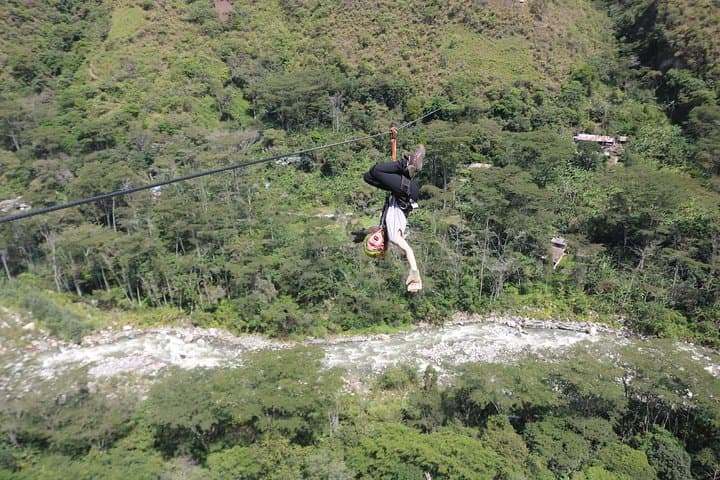
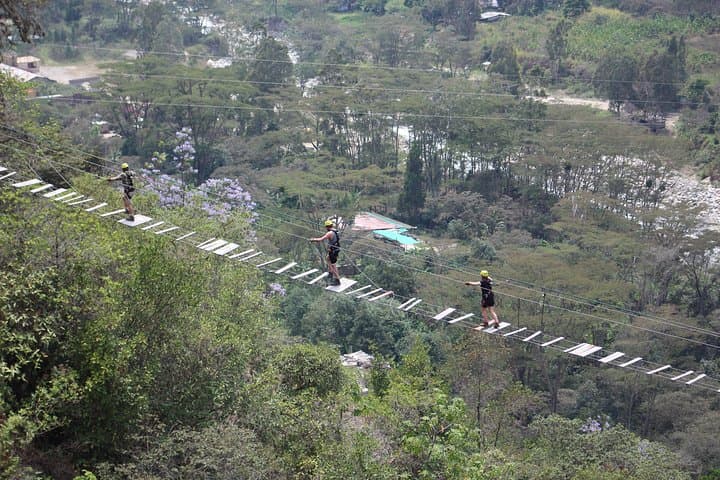
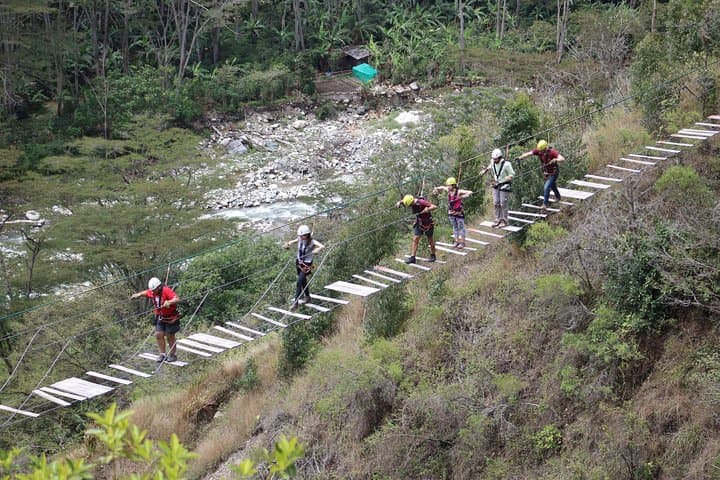
Launch off platforms over a cloud-forest valley in Santa Teresa on a six-line zip circuit with suspension bridges, via ferrata and rope descents. This two-hour high-altitude adventure pairs engineered thrills with sweeping Andean views.
Launch off platforms over a cloud-forest valley in Santa Teresa on a six-line zip circuit with suspension bridges, via ferrata and rope descents. This two-hour high-altitude adventure pairs engineered thrills with sweeping Andean views.
You step onto the platform with the valley breathing beneath you: mist curling from ravines, distant waterfalls threading the hills, and the Andes rising like a folded spine. The first line launches you forward—wind pushes at your face, the valley answers with a distant birdcall—and for a few seconds the world narrows to cable, harness and the rhythm of your breath.
Verified experiences and guided adventures in the surrounding area.
Operated by Vertikal Zipline · Santa Teresa, Cusco
You step onto the platform with the valley breathing beneath you: mist curling from ravines, distant waterfalls threading the hills, and the Andes rising like a folded spine. The first line launches you forward—wind pushes at your face, the valley answers with a distant birdcall—and for a few seconds the world narrows to cable, harness and the rhythm of your breath.
Set in Santa Teresa, just down-valley from Machu Picchu, this six-line circuit mixes engineered adrenaline with cloud-forest character. The route threads suspension bridges, a short via ferrata and two rope descents past small cascades—terrain carved from volcanic uplifts and deep river incision over millennia. The area was a corridor for Inca paths and later became a coffee and banana producing zone; today, adventure operators work with nearby communities that run lodges and local eateries.
Expect jungle humidity at lower elevations and thinner air on the higher platforms—altitude matters here. The circuit runs about two hours, including safety briefings and transfers, and is built to international standards: helmets, harnesses and guided belays. Operators typically provide bottled water and private transport from nearby pickup points.
Practical pointers: wear closed-toe shoes with good grip, layer for quick temperature shifts, and limit heavy bags—most photos are best taken at platforms, not mid-line. If you’re sensitive to heights or have heart or spinal concerns, opt out; staff will advise. Plan this as part of a broader Sacred Valley or Machu Picchu itinerary—arrive rested, hydrate, and let the cables carry you through a slice of Andean wild that feels both immediate and ancient.
moderate.
2 hours.
Moderate cardio and comfort with heights; you should be able to hike short uphills and handle stairs.
The advertised experience runs about two hours door-to-door, including safety briefing, equipment fitting and the lines themselves.
No—briefings and guided belays accommodate beginners, though a moderate fitness level and comfort with heights help.
Operators ask for height and weight during booking and advise that travelers with heart, spinal issues or pregnancy should not participate.
Most bookings include private transport from designated pickup points; some travelers arrange their own transfer from Aguas Calientes or Hidroeléctrica.
The valley served as part of Inca route networks and later developed small agricultural communities; modern adventure tourism now complements local farming economies.
Operators often work with local communities to limit trail erosion and manage waste; visitors should use reusable bottles and avoid straying from established paths.
Vertikal Zipline operates guided outdoor trips and adventures with an emphasis on safety, stewardship, and memorable experiences.
You step onto the platform with the valley breathing beneath you: mist curling from ravines, distant waterfalls threading the hills, and the Andes rising like a folded spine. The first line launches you forward—wind pushes at your face, the valley answers with a distant birdcall—and for a few seconds the world narrows to cable, harness and the rhythm of your breath.
You step onto the platform with the valley breathing beneath you: mist curling from ravines, distant waterfalls threading the hills, and the Andes rising like a folded spine. The first line launches you forward—wind pushes at your face, the valley answers with a distant birdcall—and for a few seconds the world narrows to cable, harness and the rhythm of your breath.
Set in Santa Teresa, just down-valley from Machu Picchu, this six-line circuit mixes engineered adrenaline with cloud-forest character. The route threads suspension bridges, a short via ferrata and two rope descents past small cascades—terrain carved from volcanic uplifts and deep river incision over millennia. The area was a corridor for Inca paths and later became a coffee and banana producing zone; today, adventure operators work with nearby communities that run lodges and local eateries.
Expect jungle humidity at lower elevations and thinner air on the higher platforms—altitude matters here. The circuit runs about two hours, including safety briefings and transfers, and is built to international standards: helmets, harnesses and guided belays. Operators typically provide bottled water and private transport from nearby pickup points.
Practical pointers: wear closed-toe shoes with good grip, layer for quick temperature shifts, and limit heavy bags—most photos are best taken at platforms, not mid-line. If you’re sensitive to heights or have heart or spinal concerns, opt out; staff will advise. Plan this as part of a broader Sacred Valley or Machu Picchu itinerary—arrive rested, hydrate, and let the cables carry you through a slice of Andean wild that feels both immediate and ancient.