THE ADVENTURE COLLECTIVE® · Independent discovery and booking for outdoor travel

Drive through crimson canyons and sip high-altitude Torrontés on a private day tour from Salta to Cafayate. This tailored trip pairs geological wonders like the Anfiteatro with boutique winery tastings in Argentina’s highest wine region.
Drive through crimson canyons and sip high-altitude Torrontés on a private day tour from Salta to Cafayate. This tailored trip pairs geological wonders like the Anfiteatro with boutique winery tastings in Argentina’s highest wine region.
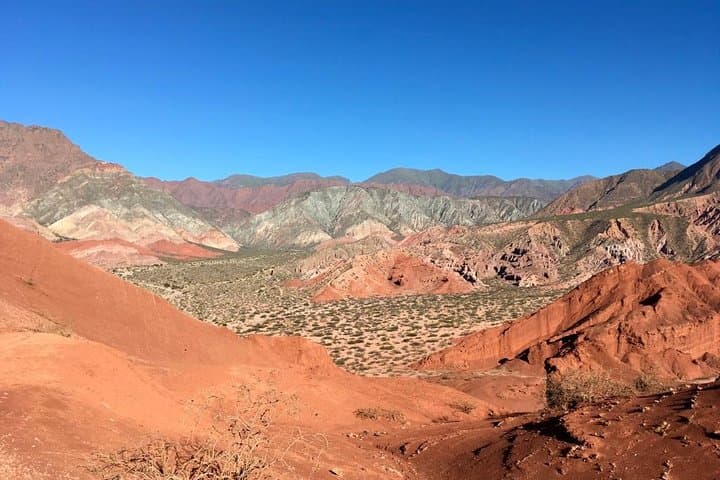
The morning light in Salta is sharp and dry, like a promise. A private vehicle slips out of town and the pavement unfolds into the Quebrada de las Conchas, where the road winds through ochre cliffs carved by wind and time. By the first pullout the guide stops, opens the door, and the canyon breathes—strata stacked in warm reds, sculpted fins and an amphitheatre that seems to have been chiseled for sound as much as for the camera.
Verified experiences and guided adventures in the surrounding area.
Operated by Poncho Tours · Cafayate, Salta
The morning light in Salta is sharp and dry, like a promise. A private vehicle slips out of town and the pavement unfolds into the Quebrada de las Conchas, where the road winds through ochre cliffs carved by wind and time. By the first pullout the guide stops, opens the door, and the canyon breathes—strata stacked in warm reds, sculpted fins and an amphitheatre that seems to have been chiseled for sound as much as for the camera.
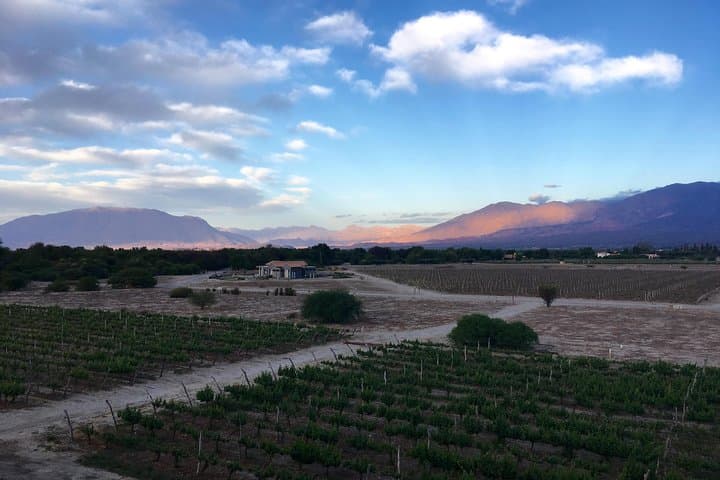
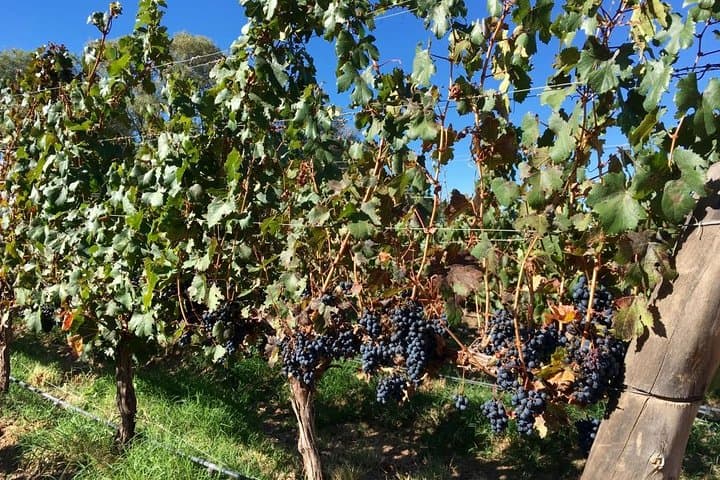
The day is arranged around contrasts: dramatic geology on the drive, quiet rows of vines at altitude, and glasses raised to Torrontés under a wide Andean sky. Cafayate sits at roughly 1,700 meters above sea level in the Calchaquí Valley, one of the world’s highest wine regions. The terroir is austere—thin soils, big diurnal temperature swings, and intense sun—and it shapes wines with vivid aromatics and firm acidity.
Geologically the route is late-Tertiary sediment thrust into sculptural form by erosion; you’ll see named features like the Garganta del Diablo (Devil’s Throat) and the Anfiteatro, where sandstone and clay play with light. Culturally the valley carries layers too: pre-Columbian communities farmed here for centuries and Spanish missionaries introduced grapevines in the 16th century, creating a hybrid heritage of indigenous techniques and European varietals.
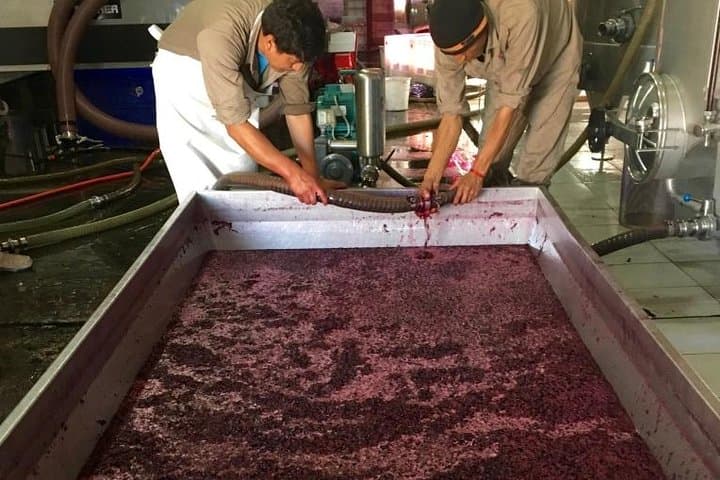
This private, tailor-made tour balances time behind the wheel with time standing between barrels. Expect visits to two or three family-run and boutique bodegas—tastings focus on Torrontés plus Malbec, Cabernet and Tannat—paired with a simple snack and bottled water. The guide reads the day to your pace: photo stops along Route 68, short walks at the canyon viewpoints, and a relaxed tasting itinerary in town.
Practicalities matter: the drive from Salta to Cafayate is roughly 190 km each way and the full experience runs about 10 hours. High sun and altitude mean hydration and sun protection are non-negotiable; short, uneven walks through the canyon call for closed-toe shoes. A passport is required on the day of travel and travelers must be 18 or older to participate.
For travelers who want an easy, immersive taste of northwest Argentina, this tour compresses the region’s best notes—geology, history, and high-altitude viticulture—into a single, well-paced day. Come for dramatic landscapes and stay for the crystalline Torrontés that tastes like the place it grows: dry, bright and startlingly local.
easy.
10 hours.
Suitable for most fitness levels; be prepared for long vehicle time and short walks on uneven terrain.
Yes—tastings at two to three bodegas are included as part of the private tour and will showcase Torrontés plus selected reds.
The straight drive is about 3–4 hours (roughly 190 km) each way, but the tour schedules stops in the Quebrada de las Conchas en route.
The tour includes snacks and bottled water; many groups opt to purchase lunch in Cafayate (guide can recommend local restaurants).
A current, valid passport is required on the day of travel—bring it with you for verification.
Minimum age is 18 due to winery visits and tasting components—this tour is for adults only.
Yes—most bodegas sell wine on site; bring a credit card or cash if you plan to purchase bottles to transport home.
The Calchaquí Valley has been farmed by indigenous groups for centuries; Spanish missionaries introduced grapevines in the 16th century, creating the region’s winemaking roots.
Water is scarce at these elevations—support wineries that use sustainable irrigation and stick to trails and designated viewpoints to limit erosion.
Poncho Tours operates guided outdoor trips and adventures with an emphasis on safety, stewardship, and memorable experiences.
The morning light in Salta is sharp and dry, like a promise. A private vehicle slips out of town and the pavement unfolds into the Quebrada de las Conchas, where the road winds through ochre cliffs carved by wind and time. By the first pullout the guide stops, opens the door, and the canyon breathes—strata stacked in warm reds, sculpted fins and an amphitheatre that seems to have been chiseled for sound as much as for the camera.
The morning light in Salta is sharp and dry, like a promise. A private vehicle slips out of town and the pavement unfolds into the Quebrada de las Conchas, where the road winds through ochre cliffs carved by wind and time. By the first pullout the guide stops, opens the door, and the canyon breathes—strata stacked in warm reds, sculpted fins and an amphitheatre that seems to have been chiseled for sound as much as for the camera.
The day is arranged around contrasts: dramatic geology on the drive, quiet rows of vines at altitude, and glasses raised to Torrontés under a wide Andean sky. Cafayate sits at roughly 1,700 meters above sea level in the Calchaquí Valley, one of the world’s highest wine regions. The terroir is austere—thin soils, big diurnal temperature swings, and intense sun—and it shapes wines with vivid aromatics and firm acidity.
Geologically the route is late-Tertiary sediment thrust into sculptural form by erosion; you’ll see named features like the Garganta del Diablo (Devil’s Throat) and the Anfiteatro, where sandstone and clay play with light. Culturally the valley carries layers too: pre-Columbian communities farmed here for centuries and Spanish missionaries introduced grapevines in the 16th century, creating a hybrid heritage of indigenous techniques and European varietals.
This private, tailor-made tour balances time behind the wheel with time standing between barrels. Expect visits to two or three family-run and boutique bodegas—tastings focus on Torrontés plus Malbec, Cabernet and Tannat—paired with a simple snack and bottled water. The guide reads the day to your pace: photo stops along Route 68, short walks at the canyon viewpoints, and a relaxed tasting itinerary in town.
Practicalities matter: the drive from Salta to Cafayate is roughly 190 km each way and the full experience runs about 10 hours. High sun and altitude mean hydration and sun protection are non-negotiable; short, uneven walks through the canyon call for closed-toe shoes. A passport is required on the day of travel and travelers must be 18 or older to participate.
For travelers who want an easy, immersive taste of northwest Argentina, this tour compresses the region’s best notes—geology, history, and high-altitude viticulture—into a single, well-paced day. Come for dramatic landscapes and stay for the crystalline Torrontés that tastes like the place it grows: dry, bright and startlingly local.