THE ADVENTURE COLLECTIVE® · Independent discovery and booking for outdoor travel

A five-day small-group circuit that pairs Lhasa’s spiritual highlights with the turquoise sweep of Yamdrok Lake. Ideal for travelers who want guided cultural interpretation, permit handling, and manageable high‑altitude sightseeing.
A five-day small-group circuit that pairs Lhasa’s spiritual highlights with the turquoise sweep of Yamdrok Lake. Ideal for travelers who want guided cultural interpretation, permit handling, and manageable high‑altitude sightseeing.
The first breath in Lhasa is thin and bright: sunlight slashes across whitewashed walls, prayer flags snap like distant voices, and the Potala Palace rises sheer above the valley. On arrival you’ll move slowly — guided, ferried to a modest hotel and given time to let the air settle in your lungs before the city opens up.
Verified experiences and guided adventures in the surrounding area.
Operated by Samtour of Chengdu OTC Travel · Lhasa, Tibet Autonomous Region
The first breath in Lhasa is thin and bright: sunlight slashes across whitewashed walls, prayer flags snap like distant voices, and the Potala Palace rises sheer above the valley. On arrival you’ll move slowly — guided, ferried to a modest hotel and given time to let the air settle in your lungs before the city opens up.
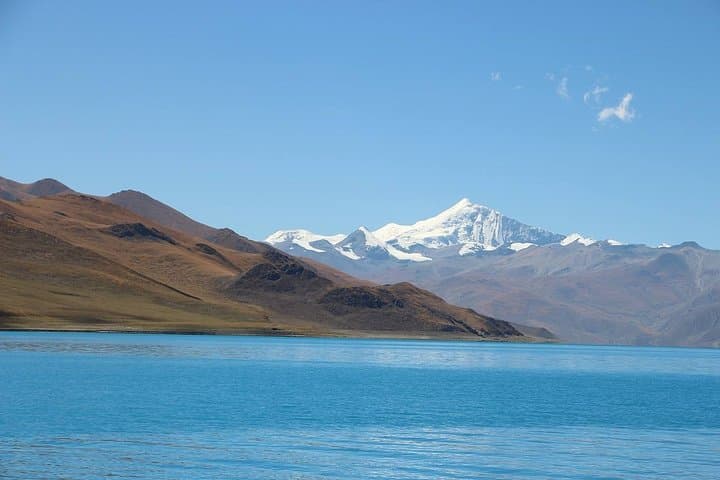
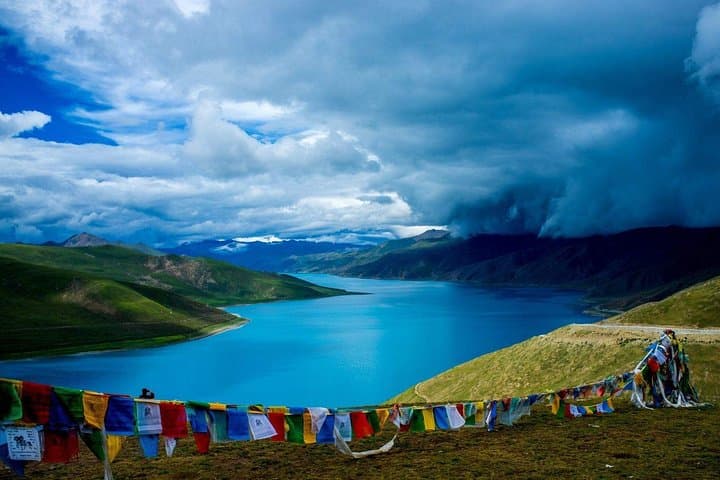
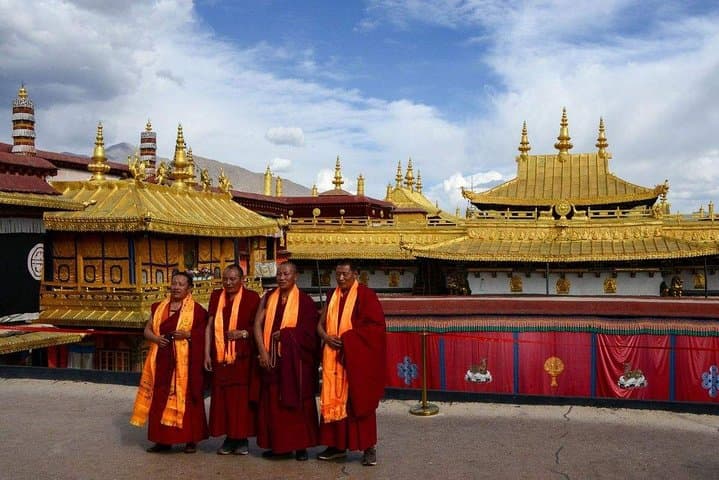
This five-day itinerary threads through Tibet’s living history. Potala Palace (3,700 m) and Jokhang Temple are architectural chapters of Tibetan Buddhism; Drepung and Sera monasteries trace the Gelug school’s scholarly traditions and host daily rituals and the famous monks’ debates. Geology shows itself at Yamdrok Yumtso (4,400 m), a glacially fed turquoise lake carved into a high plateau basin beneath Nyenchen Khangsar (7,191 m). Pastures and yak herds punctuate the drive over Gampala Pass (4,790 m), where the landscape feels both brittle and generous.
Expect cultural nuance: clockwise pilgrim circuits on Barkhor Street, butter-lamp glow in shrines, and English-speaking Tibetan guides who explain context and etiquette. Practicalities matter here — the tour includes required Tibet permits, airport or train pickup, oxygen tanks for excursions beyond the city, and basic three-star lodging in Lhasa. Plan two full days for acclimatization if possible, carry sun protection and layered clothing, and monitor for altitude symptoms. Footwear should be sturdy but flexible for city walks and short high-elevation strolls. With mindful pacing and respect for local customs, this trip balances accessible sightseeing and the uncompromising realities of traveling on the roof of the world.
moderate.
5 days.
Moderate — able to walk several hours across uneven ground and tolerate high altitude; short drives reduce sustained exertion.
Yes — the tour includes the necessary Tibet Travel Permit; independent travelers cannot enter Tibet without it.
Yes — oxygen tanks are provided for excursions outside Lhasa, and guides monitor participants for symptoms of altitude sickness.
Yes — pickup and drop‑off from Lhasa airport or train station are included in the itinerary.
Monks’ debate typically takes place in the afternoon around 15:00–17:00; schedules can shift, so the guide will confirm timing on the day.
Potala Palace developed from a 7th‑century imperial site into the 17th‑century winter palace of the Dalai Lama; monasteries reflect centuries of Tibetan Buddhist scholarship.
The Tibetan Plateau is ecologically fragile — stick to trails, minimize plastic waste, and follow guide instructions to protect sacred sites and pastureland.
Samtour of Chengdu OTC Travel operates guided outdoor trips and adventures with an emphasis on safety, stewardship, and memorable experiences.
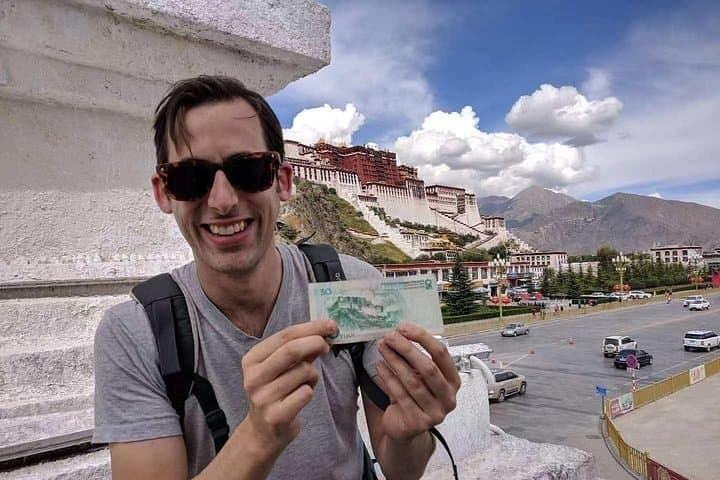
The first breath in Lhasa is thin and bright: sunlight slashes across whitewashed walls, prayer flags snap like distant voices, and the Potala Palace rises sheer above the valley. On arrival you’ll move slowly — guided, ferried to a modest hotel and given time to let the air settle in your lungs before the city opens up.
The first breath in Lhasa is thin and bright: sunlight slashes across whitewashed walls, prayer flags snap like distant voices, and the Potala Palace rises sheer above the valley. On arrival you’ll move slowly — guided, ferried to a modest hotel and given time to let the air settle in your lungs before the city opens up.
This five-day itinerary threads through Tibet’s living history. Potala Palace (3,700 m) and Jokhang Temple are architectural chapters of Tibetan Buddhism; Drepung and Sera monasteries trace the Gelug school’s scholarly traditions and host daily rituals and the famous monks’ debates. Geology shows itself at Yamdrok Yumtso (4,400 m), a glacially fed turquoise lake carved into a high plateau basin beneath Nyenchen Khangsar (7,191 m). Pastures and yak herds punctuate the drive over Gampala Pass (4,790 m), where the landscape feels both brittle and generous.
Expect cultural nuance: clockwise pilgrim circuits on Barkhor Street, butter-lamp glow in shrines, and English-speaking Tibetan guides who explain context and etiquette. Practicalities matter here — the tour includes required Tibet permits, airport or train pickup, oxygen tanks for excursions beyond the city, and basic three-star lodging in Lhasa. Plan two full days for acclimatization if possible, carry sun protection and layered clothing, and monitor for altitude symptoms. Footwear should be sturdy but flexible for city walks and short high-elevation strolls. With mindful pacing and respect for local customs, this trip balances accessible sightseeing and the uncompromising realities of traveling on the roof of the world.