THE ADVENTURE COLLECTIVE® · Independent discovery and booking for outdoor travel

A steep, high‑altitude day hike from Cusco leads to the glacier‑fed turquoise bowl of Humantay Lake beneath Salkantay. Expect a steady climb, dramatic mountain views, and important altitude considerations on this long, rewarding day trip.
A steep, high‑altitude day hike from Cusco leads to the glacier‑fed turquoise bowl of Humantay Lake beneath Salkantay. Expect a steady climb, dramatic mountain views, and important altitude considerations on this long, rewarding day trip.
A thin morning light strips the valley as minibuses rattle out of Cusco before dawn, and by the time the village roofs shrink behind you the road has climbed into the high puna. The trailhead at Soraypampa opens onto a steep, clear track that rises through talus and high grass toward a bowl of glacier-fed water — Humantay Lake — framed by the fluted face of Humantay and the hulking mass of Salkantay.
Verified experiences and guided adventures in the surrounding area.
Operated by Inka Altitude · Soraypampa, Cusco
A thin morning light strips the valley as minibuses rattle out of Cusco before dawn, and by the time the village roofs shrink behind you the road has climbed into the high puna. The trailhead at Soraypampa opens onto a steep, clear track that rises through talus and high grass toward a bowl of glacier-fed water — Humantay Lake — framed by the fluted face of Humantay and the hulking mass of Salkantay.
The lake sits above 4,000 m, carved by recent glacial action; moraine and scree speak to the young geology of the Andes here. The region is part of the Inca highlands, where local Quechua communities still herd llamas and maintain seasonal agriculture, and many guides will weave cultural notes about apus (sacred mountains) and traditional offerings.
Expect a sharp, steady climb: roughly 2.5 km one-way with about 350–450 m of elevation gain, on rocky, sometimes muddy trail that takes most visitors 1–2 hours to reach the rim depending on fitness and acclimatization. The water is an intense turquoise when sun and melt align; the wind and altitude bite — rest often and watch for shortness of breath.
Practically, this is a long day from Cusco (the operator’s itinerary runs 10–13 hours door-to-door). Hydrate and eat before you start, bring insulating layers, sun protection, and a spare pair of gloves for the summit gusts. If you’re sensitive to altitude, take time in Cusco to acclimate or talk to your guide about pacing and oxygen support often carried on guided trips.
moderate.
10–13 hours (door-to-door).
Good cardiovascular fitness and basic hiking experience recommended; ability to ascend steep trail at altitude.
The trail is about 2.5 km one‑way with roughly 350–450 m of elevation gain; most guests take 1–2 hours to reach the lake depending on fitness and altitude response.
Because the lake sits above 4,000 m, some visitors experience mild symptoms — headaches or breathlessness; acclimatize in Cusco, hydrate, and speak with your guide about pacing and oxygen options.
Typical inclusions listed by operators are hotel pickup, transport in an air‑conditioned vehicle, breakfast and lunch, a professional guide, and basic first aid; check your booking for specifics.
The dry season from May to September generally offers the most stable weather and clearest views; avoid the heavy rains of January–March for safer trails.
Humantay and the surrounding peaks are considered apus — sacred mountains in Quechua belief — and the area has long been part of highland pastoral and ritual landscapes tied to Inca and pre‑Inca traditions.
Heavy day‑tour traffic can cause trail erosion and litter; stick to paths, carry out waste, and choose operators who support local communities and trail maintenance.
Inka Altitude operates guided outdoor trips and adventures with an emphasis on safety, stewardship, and memorable experiences.


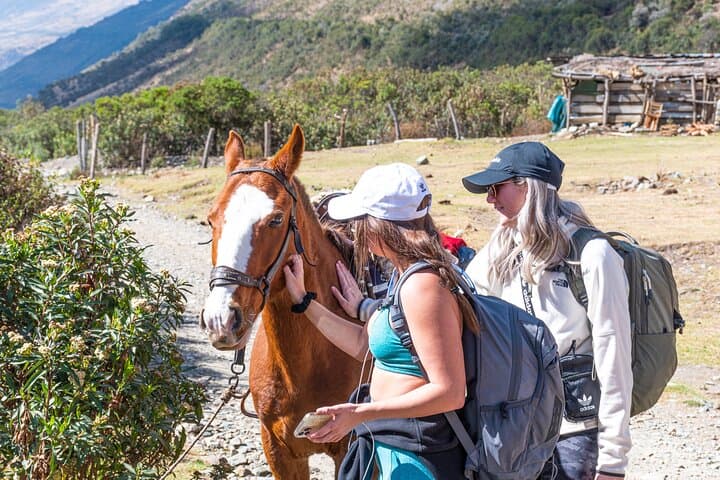
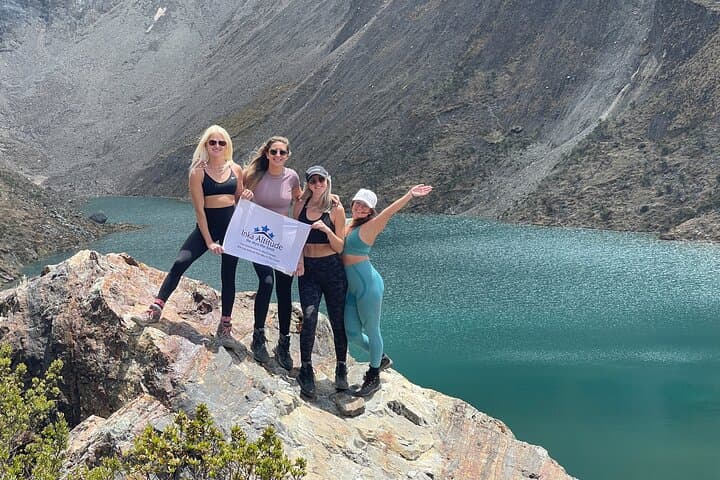
A thin morning light strips the valley as minibuses rattle out of Cusco before dawn, and by the time the village roofs shrink behind you the road has climbed into the high puna. The trailhead at Soraypampa opens onto a steep, clear track that rises through talus and high grass toward a bowl of glacier-fed water — Humantay Lake — framed by the fluted face of Humantay and the hulking mass of Salkantay.
A thin morning light strips the valley as minibuses rattle out of Cusco before dawn, and by the time the village roofs shrink behind you the road has climbed into the high puna. The trailhead at Soraypampa opens onto a steep, clear track that rises through talus and high grass toward a bowl of glacier-fed water — Humantay Lake — framed by the fluted face of Humantay and the hulking mass of Salkantay.
The lake sits above 4,000 m, carved by recent glacial action; moraine and scree speak to the young geology of the Andes here. The region is part of the Inca highlands, where local Quechua communities still herd llamas and maintain seasonal agriculture, and many guides will weave cultural notes about apus (sacred mountains) and traditional offerings.
Expect a sharp, steady climb: roughly 2.5 km one-way with about 350–450 m of elevation gain, on rocky, sometimes muddy trail that takes most visitors 1–2 hours to reach the rim depending on fitness and acclimatization. The water is an intense turquoise when sun and melt align; the wind and altitude bite — rest often and watch for shortness of breath.
Practically, this is a long day from Cusco (the operator’s itinerary runs 10–13 hours door-to-door). Hydrate and eat before you start, bring insulating layers, sun protection, and a spare pair of gloves for the summit gusts. If you’re sensitive to altitude, take time in Cusco to acclimate or talk to your guide about pacing and oxygen support often carried on guided trips.