THE ADVENTURE COLLECTIVE® · Independent discovery and booking for outdoor travel

Explore Higashiyama on a three-hour private walk through narrow stone lanes, pagoda viewpoints and UNESCO-listed Kiyomizu-dera. This small-group tour combines cultural insight with clear local tips for a focused introduction to eastern Kyoto.
Explore Higashiyama on a three-hour private walk through narrow stone lanes, pagoda viewpoints and UNESCO-listed Kiyomizu-dera. This small-group tour combines cultural insight with clear local tips for a focused introduction to eastern Kyoto.
You step off narrow stone steps and the city changes scale: wooden machiya shopfronts press close, the five-story pagoda peeks over tiled roofs, and the scent of roasted tea drifts through the lane. The tour moves at a walking rhythm—3 km of backstreets, gentle slopes and stepped alleys—each corner offering a new frame of old Kyoto.
Verified experiences and guided adventures in the surrounding area.
Operated by Oh! Ohkini Tours · Kyoto, Kyoto
You step off narrow stone steps and the city changes scale: wooden machiya shopfronts press close, the five-story pagoda peeks over tiled roofs, and the scent of roasted tea drifts through the lane. The tour moves at a walking rhythm—3 km of backstreets, gentle slopes and stepped alleys—each corner offering a new frame of old Kyoto.
Higashiyama preserves Kyoto’s Edo- and earlier-era urban fabric. Kiyomizu-dera, a UNESCO World Heritage site, perches above the city on a cedar-studded slope; Yasaka Shrine carries Shinto rituals that remain woven into daily life. The area’s geology—steep, eroded hills on the eastern flank of the Kyoto Basin—gave rise to narrow, stepped streets and viewpoints like the one beneath Yasaka Pagoda.
A local guide illuminates stories: samurai wives memorialized in paths, theater districts where kabuki shaped neighborhood rhythms, and discreet alleys where artisans still mend kimono. You’ll notice practical cultural rules—shrine manners, quiet in temple precincts, and the small shops that close by late afternoon.
Practical guidance: expect uneven stone steps and short climbs—moderate fitness helps. Bring water and shoes with traction; a light rain jacket during the early summer rainy season is smart. The private group format (max six) means a relaxed pace and time for photos or a tea stop. Aim for morning light to avoid crowds and to catch temples in softer color.
This walk is an urban hike—sensory, compact and full of context—an efficient way to read Kyoto’s streets while learning where to return later for deeper exploration.
moderate.
3 hours.
Suitable for travelers in moderate physical condition who can walk 3 km with short stair sections and gentle slopes.
Meeting details are provided at booking; common meeting points are near Gion or Yasaka Shrine—both accessible by subway or bus from central Kyoto.
This private walking tour typically includes exterior visits and viewpoints; entry fees to paid temples or special exhibits are usually not included—confirm with the operator when booking.
The route has stairs and stepped alleys; children who can navigate stairs and seniors with moderate mobility can join, but note the moderate fitness requirement and advise the guide of any mobility concerns.
An English-speaking local guide is provided for this tour; ask the operator about other language options if needed.
Higashiyama grew as Kyoto’s cultural heart from the Heian and Edo periods, with temples and artisan districts shaping the neighborhood’s layout and traditions.
High foot traffic can erode older stone steps and disturb quiet shrine areas—stay on designated paths, avoid loud behavior, and support local businesses rather than feeding wildlife.
Oh! Ohkini Tours operates guided outdoor trips and adventures with an emphasis on safety, stewardship, and memorable experiences.
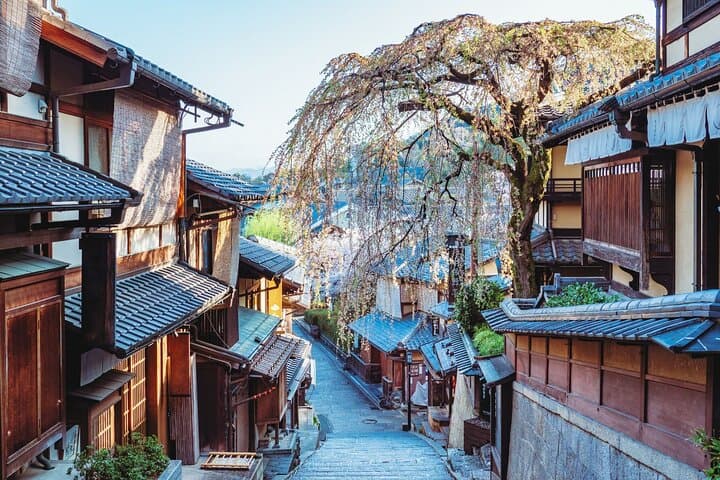
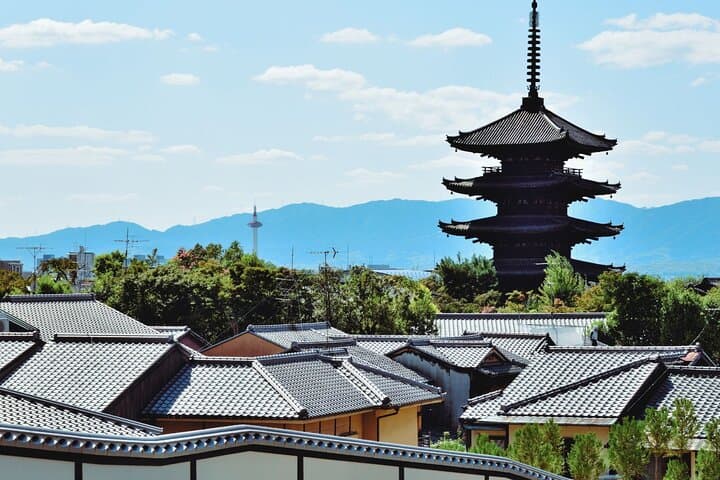
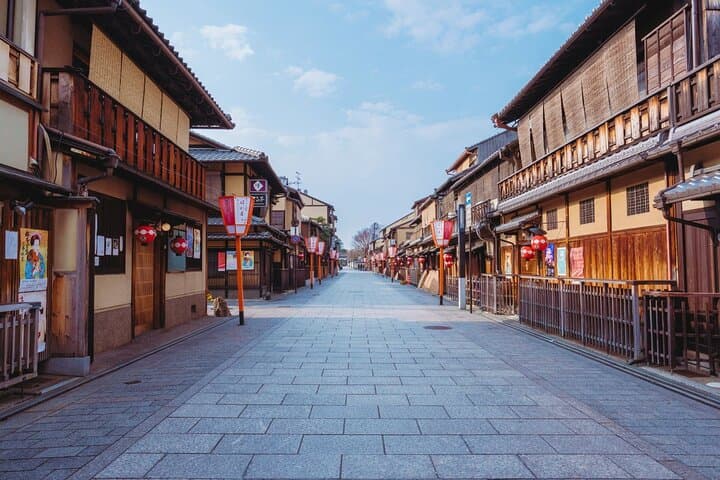
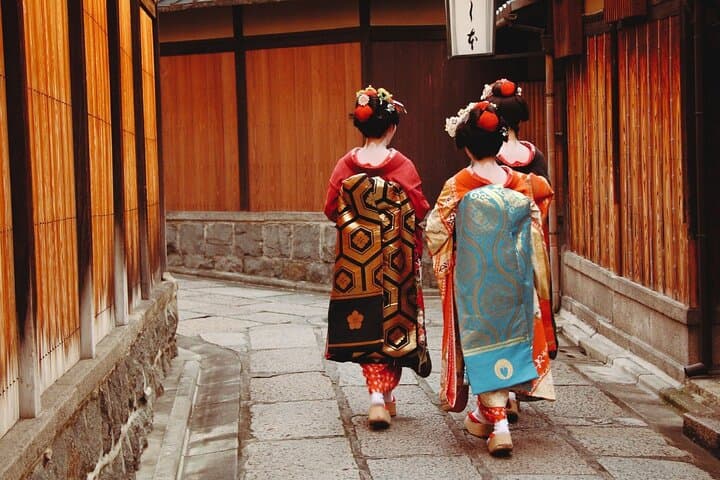
You step off narrow stone steps and the city changes scale: wooden machiya shopfronts press close, the five-story pagoda peeks over tiled roofs, and the scent of roasted tea drifts through the lane. The tour moves at a walking rhythm—3 km of backstreets, gentle slopes and stepped alleys—each corner offering a new frame of old Kyoto.
You step off narrow stone steps and the city changes scale: wooden machiya shopfronts press close, the five-story pagoda peeks over tiled roofs, and the scent of roasted tea drifts through the lane. The tour moves at a walking rhythm—3 km of backstreets, gentle slopes and stepped alleys—each corner offering a new frame of old Kyoto.
Higashiyama preserves Kyoto’s Edo- and earlier-era urban fabric. Kiyomizu-dera, a UNESCO World Heritage site, perches above the city on a cedar-studded slope; Yasaka Shrine carries Shinto rituals that remain woven into daily life. The area’s geology—steep, eroded hills on the eastern flank of the Kyoto Basin—gave rise to narrow, stepped streets and viewpoints like the one beneath Yasaka Pagoda.
A local guide illuminates stories: samurai wives memorialized in paths, theater districts where kabuki shaped neighborhood rhythms, and discreet alleys where artisans still mend kimono. You’ll notice practical cultural rules—shrine manners, quiet in temple precincts, and the small shops that close by late afternoon.
Practical guidance: expect uneven stone steps and short climbs—moderate fitness helps. Bring water and shoes with traction; a light rain jacket during the early summer rainy season is smart. The private group format (max six) means a relaxed pace and time for photos or a tea stop. Aim for morning light to avoid crowds and to catch temples in softer color.
This walk is an urban hike—sensory, compact and full of context—an efficient way to read Kyoto’s streets while learning where to return later for deeper exploration.