THE ADVENTURE COLLECTIVE® · Independent discovery and booking for outdoor travel

Visit Hierve el Agua on a focused half-day tour from Oaxaca: walk along travertine ledges, learn Zapotec history, and soak in mineral pools beneath dramatic canyon views. This practical guide explains what to expect and how to prepare.
Visit Hierve el Agua on a focused half-day tour from Oaxaca: walk along travertine ledges, learn Zapotec history, and soak in mineral pools beneath dramatic canyon views. This practical guide explains what to expect and how to prepare.
You step off the van and the wind carries the dry, resinous scent of maguey; limestone terraces and a thin ribbon of mineral pools fall away like sculpted cliffs. The guide — recognizable by a palm hat and blue shirt — leads a short walk across stony soil toward the petrified cascades where water once deposited calcium carbonate, freezing movement into terraces that step down the canyon.
Verified experiences and guided adventures in the surrounding area.
Operated by Zapotecos Tours · Oaxaca de Juárez, Oaxaca
You step off the van and the wind carries the dry, resinous scent of maguey; limestone terraces and a thin ribbon of mineral pools fall away like sculpted cliffs. The guide — recognizable by a palm hat and blue shirt — leads a short walk across stony soil toward the petrified cascades where water once deposited calcium carbonate, freezing movement into terraces that step down the canyon.
Hierve el Agua’s formations are not waterfalls but travertine ledges formed over millennia by mineral-rich springs. The surrounding valleys record Zapotec history: terraces for agave and maize, small villages that still practice communal land use, and a 2,000-year-old sabino tree near Santa María del Tule that the tour often visits en route.
On the trail you’ll pass scrub and small pines, learn about medicinal plants, and reach viewpoints that frame Oaxaca’s rugged Sierra Madre de Oaxaca. The hike down to the base of the highest fall is short but rocky; photographers favor the morning light when shadows sharpen the ridges. After the walk, relax in the warm, slightly saline mineral pools where the water seems to push you gently toward calm.
Practically: wear sturdy trail shoes, sun protection, and a lightweight layer for changing winds. Bring water, a swimsuit and quick-dry towel if you plan to swim, and cash for local snacks. The route is suitable for travelers with moderate fitness; the guide handles logistics, transport, and bilingual interpretation. Expect 4–8 hours total including transfers from Oaxaca city and time for a local buffet stop on the return.
moderate.
4–8 hours (including transfers).
Moderate fitness; able to hike on uneven ground, short steep sections, and tolerate some altitude.
The site is roughly 70–90 minutes by road from Oaxaca de Juárez depending on traffic and exact pickup location; tours typically include round-trip transport.
Yes, many visitors swim in the mineral pools; water is mineral-rich and not chlorinated — avoid if you have open wounds and rinse after swimming.
Most organized tours provide bilingual guides (Spanish and English) and local experts who explain geology and Zapotec culture.
The tour is family-friendly but requires moderate mobility; infants and small children can ride in strollers for parts, but steep or rocky sections may be challenging.
The travertine terraces have been forming for thousands of years; nearby towns retain Zapotec agricultural practices and communal land tenure that predate Spanish colonization.
Visitors should stick to designated paths to protect fragile calcium deposits and local vegetation; supporting community-run services helps sustain conservation and livelihoods.
Zapotecos Tours operates guided outdoor trips and adventures with an emphasis on safety, stewardship, and memorable experiences.


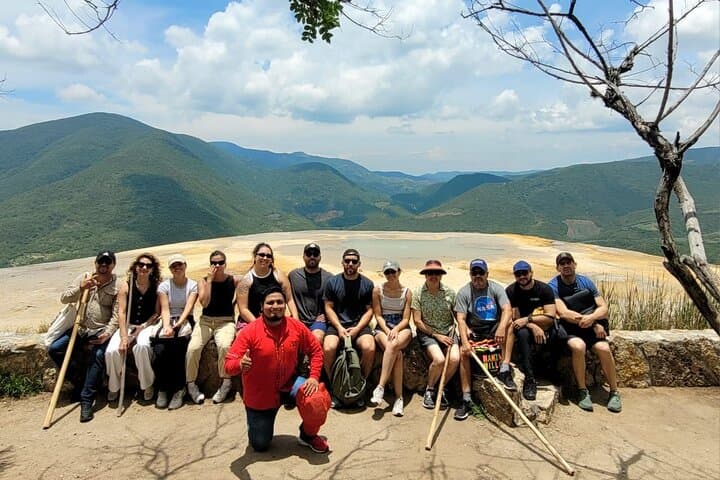
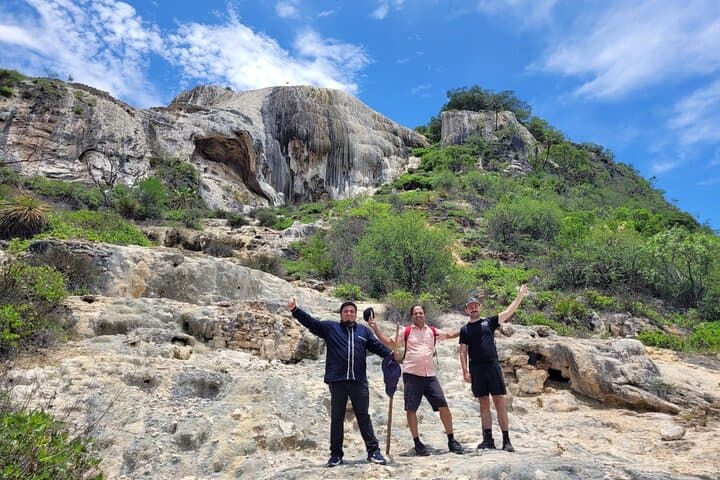
You step off the van and the wind carries the dry, resinous scent of maguey; limestone terraces and a thin ribbon of mineral pools fall away like sculpted cliffs. The guide — recognizable by a palm hat and blue shirt — leads a short walk across stony soil toward the petrified cascades where water once deposited calcium carbonate, freezing movement into terraces that step down the canyon.
You step off the van and the wind carries the dry, resinous scent of maguey; limestone terraces and a thin ribbon of mineral pools fall away like sculpted cliffs. The guide — recognizable by a palm hat and blue shirt — leads a short walk across stony soil toward the petrified cascades where water once deposited calcium carbonate, freezing movement into terraces that step down the canyon.
Hierve el Agua’s formations are not waterfalls but travertine ledges formed over millennia by mineral-rich springs. The surrounding valleys record Zapotec history: terraces for agave and maize, small villages that still practice communal land use, and a 2,000-year-old sabino tree near Santa María del Tule that the tour often visits en route.
On the trail you’ll pass scrub and small pines, learn about medicinal plants, and reach viewpoints that frame Oaxaca’s rugged Sierra Madre de Oaxaca. The hike down to the base of the highest fall is short but rocky; photographers favor the morning light when shadows sharpen the ridges. After the walk, relax in the warm, slightly saline mineral pools where the water seems to push you gently toward calm.
Practically: wear sturdy trail shoes, sun protection, and a lightweight layer for changing winds. Bring water, a swimsuit and quick-dry towel if you plan to swim, and cash for local snacks. The route is suitable for travelers with moderate fitness; the guide handles logistics, transport, and bilingual interpretation. Expect 4–8 hours total including transfers from Oaxaca city and time for a local buffet stop on the return.