THE ADVENTURE COLLECTIVE® · Independent discovery and booking for outdoor travel

Spend a full day between quiet temples, a folk museum, a snake farm and the Japanese Peace Pagoda on Sri Lanka’s southern coast. This single-day private tour mixes cultural history with coastal scenery and practical stops for reflection and photos.
Spend a full day between quiet temples, a folk museum, a snake farm and the Japanese Peace Pagoda on Sri Lanka’s southern coast. This single-day private tour mixes cultural history with coastal scenery and practical stops for reflection and photos.
The day begins on a coastal road where coconut palms lean toward the sea and the lagoon glassily reflects a pale sky; your driver steers away from the bustle and the coast breathes slower here. You move from the quiet rooms of Martin Wickramasinghe’s ancestral home—paperbacks and timbered verandas that map Sri Lanka’s literary past—to the heavy, watchful presence of giant seated Buddhas carved against temple walls.
Verified experiences and guided adventures in the surrounding area.
Operated by Lakpura LLC · Koggala, Southern Province
The day begins on a coastal road where coconut palms lean toward the sea and the lagoon glassily reflects a pale sky; your driver steers away from the bustle and the coast breathes slower here. You move from the quiet rooms of Martin Wickramasinghe’s ancestral home—paperbacks and timbered verandas that map Sri Lanka’s literary past—to the heavy, watchful presence of giant seated Buddhas carved against temple walls.
The southern coast is a place shaped by living shoreline and layered human history: Dutch and Portuguese trading outposts, Buddhist temple art that borrows from Anuradhapura and Polonnaruwa periods, and a maritime culture that still reads tides and monsoon winds. Rumassala’s scrubby headland frames Unawatuna’s Japanese Peace Pagoda, a compact shrine built by the Nipponzan-Myōhōji order, where the ocean times the light as it slides toward sunset.
Expect stops that trade quiet reflection for a little theatricality—a snake farm that demonstrates local herpetology, tunnels of hell inside temple complexes that dramatize moral lessons, and museum rooms that preserve vernacular life. Paths are short but include temple steps and sandy, sometimes wet, coastal trails.
Practical guidance: plan for an 11‑hour day with hotel pickup in Galle or Koggala, bring modest clothing for temples (sarong or long sleeves), wear sturdy sandals or trainers for steps and beach rock, and keep cash for small donations and refreshment stalls. Time your camera for late afternoon light at the Peace Pagoda; the shoreline rarely rushes—let it set the tempo.
easy.
10–11 hours.
Suitable for travelers in basic, everyday fitness—short walks and temple steps are involved but no sustained exertion.
Most temple visits don’t have fixed entrance fees but small donations are customary; the itinerary notes admissions are not included so bring cash for optional donations.
Yes—the tour includes hotel pickup and drop-off from Galle; specify your pickup point when booking.
The tour is labeled suitable for all fitness levels but is not recommended for pregnant travelers or those with serious spinal or heart conditions due to some uneven surfaces and stairs.
Photography is generally allowed at outdoor sites and the museum, but always ask inside temple interiors and avoid flash on sacred images or where signs prohibit cameras.
The route links the 20th‑century cultural archive of Martin Wickramasinghe with ancient Buddhist devotional architecture; the large seated Buddhas reflect influences from Anuradhapura and Polonnaruwa eras as revived in modern memorials.
Coastal sites here face erosion and pressure from tourism—respect marked paths, avoid litter, and follow local guidance on interacting with wildlife and temple grounds.
Lakpura LLC operates guided outdoor trips and adventures with an emphasis on safety, stewardship, and memorable experiences.
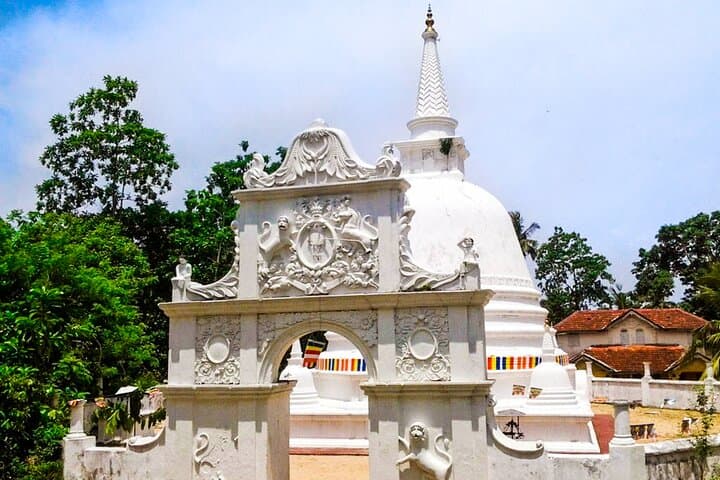
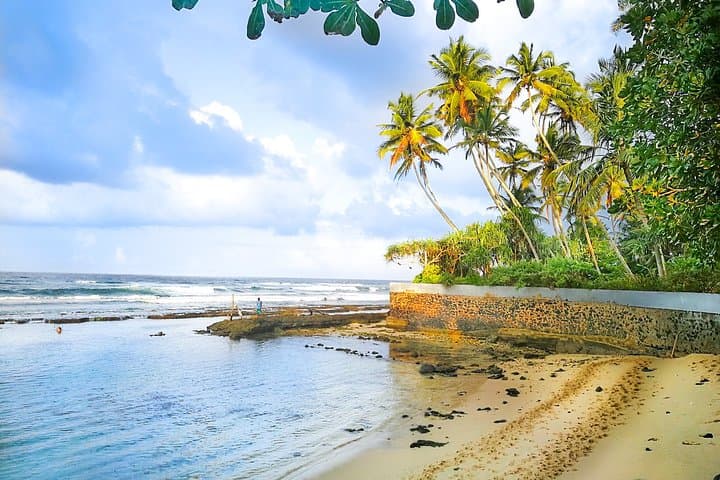
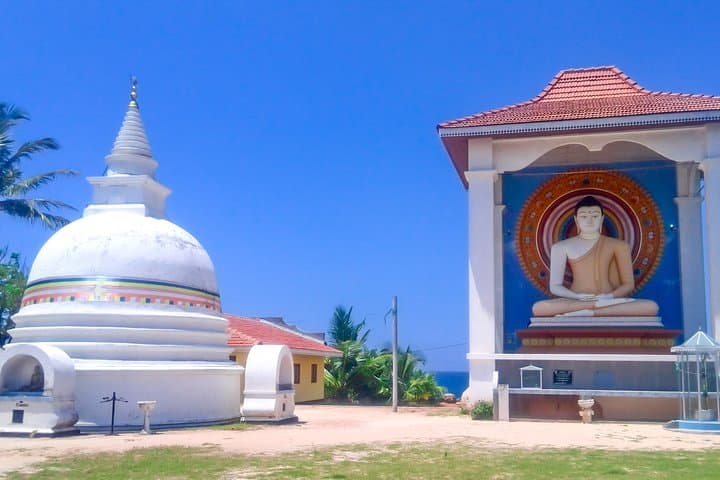
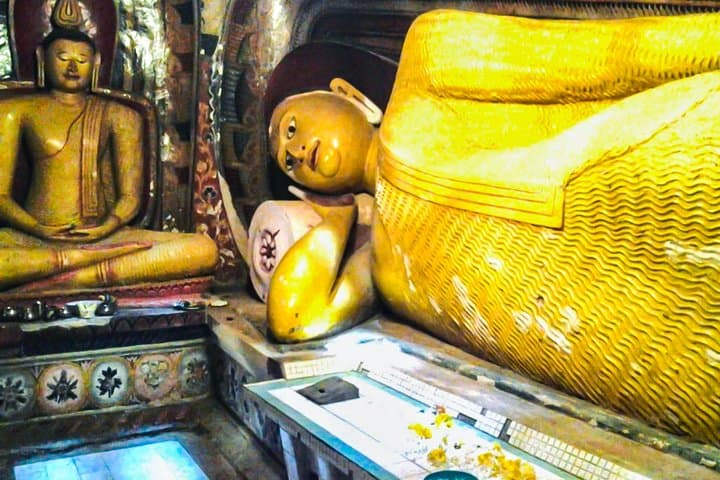
The day begins on a coastal road where coconut palms lean toward the sea and the lagoon glassily reflects a pale sky; your driver steers away from the bustle and the coast breathes slower here. You move from the quiet rooms of Martin Wickramasinghe’s ancestral home—paperbacks and timbered verandas that map Sri Lanka’s literary past—to the heavy, watchful presence of giant seated Buddhas carved against temple walls.
The day begins on a coastal road where coconut palms lean toward the sea and the lagoon glassily reflects a pale sky; your driver steers away from the bustle and the coast breathes slower here. You move from the quiet rooms of Martin Wickramasinghe’s ancestral home—paperbacks and timbered verandas that map Sri Lanka’s literary past—to the heavy, watchful presence of giant seated Buddhas carved against temple walls.
The southern coast is a place shaped by living shoreline and layered human history: Dutch and Portuguese trading outposts, Buddhist temple art that borrows from Anuradhapura and Polonnaruwa periods, and a maritime culture that still reads tides and monsoon winds. Rumassala’s scrubby headland frames Unawatuna’s Japanese Peace Pagoda, a compact shrine built by the Nipponzan-Myōhōji order, where the ocean times the light as it slides toward sunset.
Expect stops that trade quiet reflection for a little theatricality—a snake farm that demonstrates local herpetology, tunnels of hell inside temple complexes that dramatize moral lessons, and museum rooms that preserve vernacular life. Paths are short but include temple steps and sandy, sometimes wet, coastal trails.
Practical guidance: plan for an 11‑hour day with hotel pickup in Galle or Koggala, bring modest clothing for temples (sarong or long sleeves), wear sturdy sandals or trainers for steps and beach rock, and keep cash for small donations and refreshment stalls. Time your camera for late afternoon light at the Peace Pagoda; the shoreline rarely rushes—let it set the tempo.