THE ADVENTURE COLLECTIVE® · Independent discovery and booking for outdoor travel

Explore Florence’s lesser-known green spaces on a two-hour guided walk that moves from shaded English gardens to terraces with cathedral views, finishing with a casual picnic. Ideal for travelers who want nature, local culture, and quiet panoramas away from the main tourist routes.
Explore Florence’s lesser-known green spaces on a two-hour guided walk that moves from shaded English gardens to terraces with cathedral views, finishing with a casual picnic. Ideal for travelers who want nature, local culture, and quiet panoramas away from the main tourist routes.
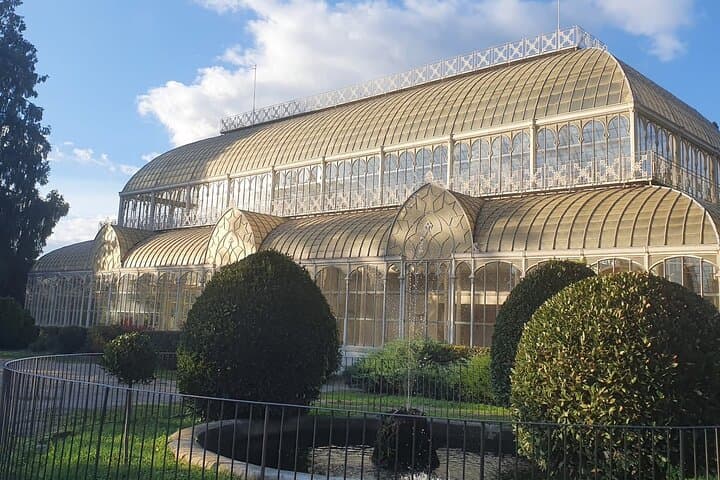
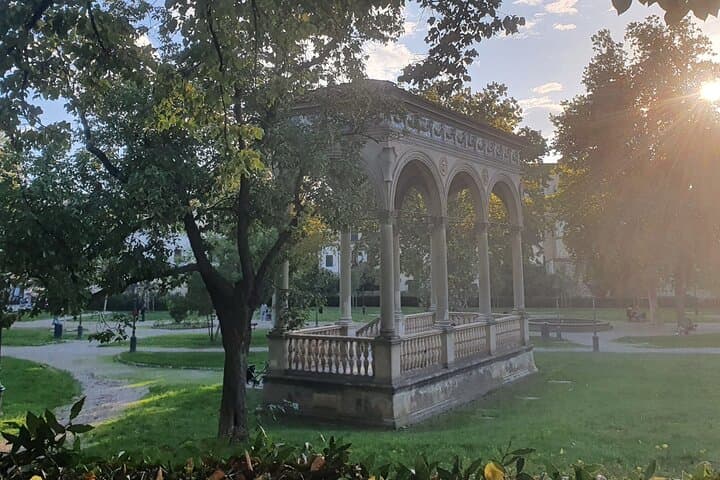
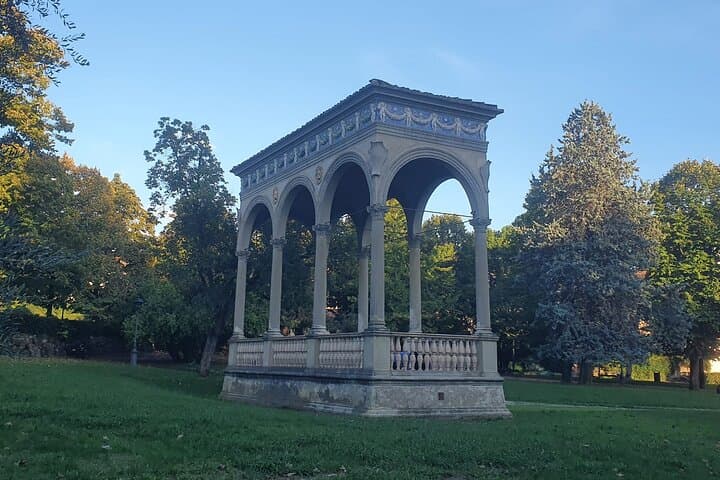
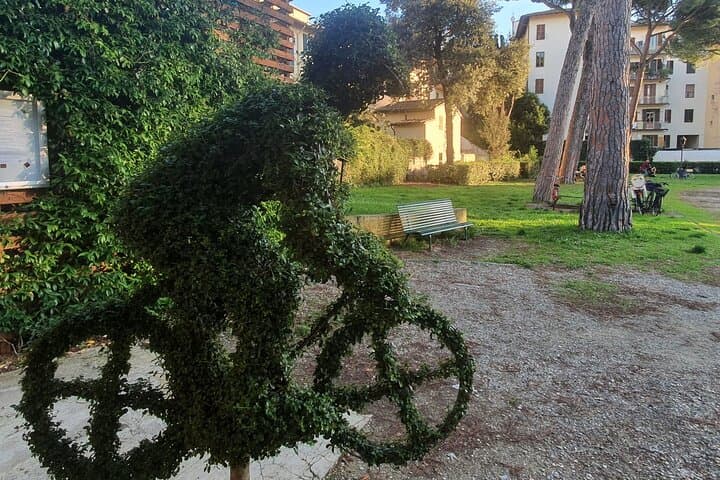
You step off the busy street and into cool shade: pines and chestnuts lean over gravel paths, fountains murmur, and the city’s stone rooftops peer back from a green rim. This two-hour walk threads four lesser-known green spaces—Stibbert Garden, Villa Fabbricotti Park, Orti del Parnaso and the Giardino dell’Orticultura—ending with a relaxed picnic on the grass where the Duomo and towers puncture the skyline.
Verified experiences and guided adventures in the surrounding area.
Operated by Florence Tours by Made of Tuscany · Florence, Tuscany
You step off the busy street and into cool shade: pines and chestnuts lean over gravel paths, fountains murmur, and the city’s stone rooftops peer back from a green rim. This two-hour walk threads four lesser-known green spaces—Stibbert Garden, Villa Fabbricotti Park, Orti del Parnaso and the Giardino dell’Orticultura—ending with a relaxed picnic on the grass where the Duomo and towers puncture the skyline.
Florence’s gardens carry layers of history. Stibbert was reshaped in the 19th century by Frederick Stibbert into an Anglo-style park with neo-Egyptian accents; the Società Toscana di Orticoltura founded the experimental garden that became Orticoltura in the 1850s. Geology matters here too: these parks sit on the gentle slopes north of the Arno, where tufa-clay terraces and human-made belvederes create sudden viewpoints over the city’s Renaissance fabrics.
Culture is practical and local—the parks are places Florentines bring children, read newspapers and meet friends. Expect quiet corners with classical busts, winding ramps, and a terrace that frames the cathedral like a stage.
Practical guidance: wear comfortable walking shoes for mixed paved and gravel surfaces, bring sun protection and a refillable bottle—the picnic provides local juices and sweets but not full meals. Arrive mid-morning or late afternoon to avoid the hottest sun and the busiest tourist hours. Keep your picnic waste with you or use bins when available; these green spaces are managed by local societies and benefit from respectful use.
This walk is easy in pace but rich in views and layered history—ideal for travelers who want nature, local life, and a close-up of Florence beyond the monuments.
easy.
2 hours.
Casual walking fitness; suitable for most adults and children who can walk short hills and steps.
The route is easy-paced with short slopes and steps; it’s suitable for most fitness levels and stroller access is often possible on main paths.
The picnic includes fruit juices and traditional sweets or ice cream depending on temperature; bring additional snacks if you prefer a larger meal.
Yes, the parks are public and generally open year-round though hours or access to specific areas may vary seasonally or for events.
Yes—Villa Fabbricotti is popular with families and the tour is suitable for children; strollers are accessible on many paths but some ramps and steps exist.
Several stops reflect 19th-century shifts in Florentine landscape design: Stibbert’s restoration and the 1854 founding of the Società Toscana di Orticoltura for experimental horticulture.
These parks are cared for by local societies and municipal services; minimizing litter, staying on paths and avoiding loud disturbances helps preserve the plantings and wildlife.
Florence Tours by Made of Tuscany operates guided outdoor trips and adventures with an emphasis on safety, stewardship, and memorable experiences.
You step off the busy street and into cool shade: pines and chestnuts lean over gravel paths, fountains murmur, and the city’s stone rooftops peer back from a green rim. This two-hour walk threads four lesser-known green spaces—Stibbert Garden, Villa Fabbricotti Park, Orti del Parnaso and the Giardino dell’Orticultura—ending with a relaxed picnic on the grass where the Duomo and towers puncture the skyline.
You step off the busy street and into cool shade: pines and chestnuts lean over gravel paths, fountains murmur, and the city’s stone rooftops peer back from a green rim. This two-hour walk threads four lesser-known green spaces—Stibbert Garden, Villa Fabbricotti Park, Orti del Parnaso and the Giardino dell’Orticultura—ending with a relaxed picnic on the grass where the Duomo and towers puncture the skyline.
Florence’s gardens carry layers of history. Stibbert was reshaped in the 19th century by Frederick Stibbert into an Anglo-style park with neo-Egyptian accents; the Società Toscana di Orticoltura founded the experimental garden that became Orticoltura in the 1850s. Geology matters here too: these parks sit on the gentle slopes north of the Arno, where tufa-clay terraces and human-made belvederes create sudden viewpoints over the city’s Renaissance fabrics.
Culture is practical and local—the parks are places Florentines bring children, read newspapers and meet friends. Expect quiet corners with classical busts, winding ramps, and a terrace that frames the cathedral like a stage.
Practical guidance: wear comfortable walking shoes for mixed paved and gravel surfaces, bring sun protection and a refillable bottle—the picnic provides local juices and sweets but not full meals. Arrive mid-morning or late afternoon to avoid the hottest sun and the busiest tourist hours. Keep your picnic waste with you or use bins when available; these green spaces are managed by local societies and benefit from respectful use.
This walk is easy in pace but rich in views and layered history—ideal for travelers who want nature, local life, and a close-up of Florence beyond the monuments.