
Hidden Paradise Valley Hike: Berber Gardens, Argan Groves & Waterfalls Near Agadir
Walk an 11 km circuit through argan groves, palm gardens and quiet waterfalls with a local guide who shares Berber plant lore and a family tagine. This away-from-the-crowds Paradise Valley route blends gentle hiking with cultural encounters.
An Adventure In Agadir.
Walk an 11 km circuit through argan groves, palm gardens and quiet waterfalls with a local guide who shares Berber plant lore and a family tagine. This away-from-the-crowds Paradise Valley route blends gentle hiking with cultural encounters.
Read the full experience
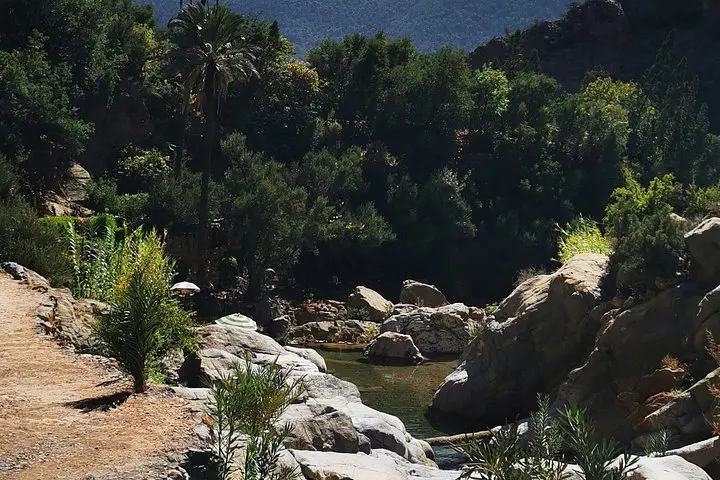
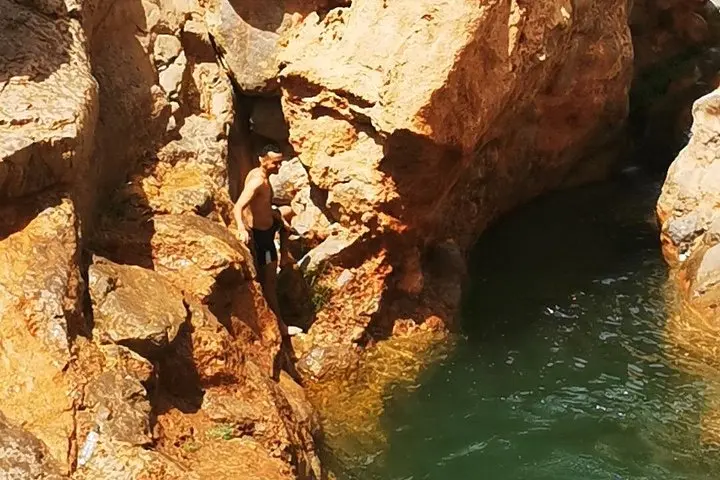
Dusty road gives way to cool shade as you step beneath argan and palm canopies — the sun picks out clusters of yellow flowers, and the path narrows to stone and sand. The track winds across small farms, past flowered terraces and a local cooperative where argan oil is pressed by hand. The day opens as a living portrait of Berber life: herb gardens used for medicine and food, goats choosing their way across rocky slopes, and a final plunge into a narrow waterfall and a pool that feels like a private cathedral.
Dusty road gives way to cool shade as you step beneath argan and palm canopies — the sun picks out clusters of yellow flowers, and the path narrows to stone and sand. The track winds across small farms, past flowered terraces and a local cooperative where argan oil is pressed by hand. The day opens as a living portrait of Berber life: herb gardens used for medicine and food, goats choosing their way across rocky slopes, and a final plunge into a narrow waterfall and a pool that feels like a private cathedral.
This side of Paradise Valley is different from the busier spots closer to town. Geologically the route follows a folded Atlantic coastal range where sandstone and schist have been cut by seasonal streams into micro-canyons; culturally the area bears traces of Amazigh (Berber) farming patterns and communal argan cooperatives born from centuries of local practice.
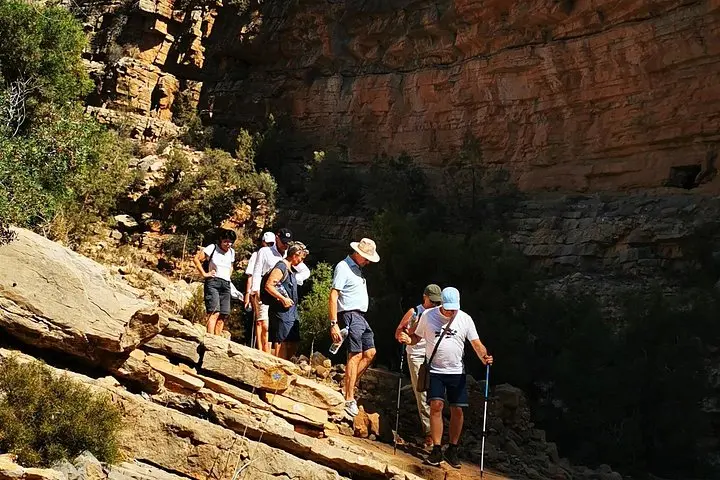
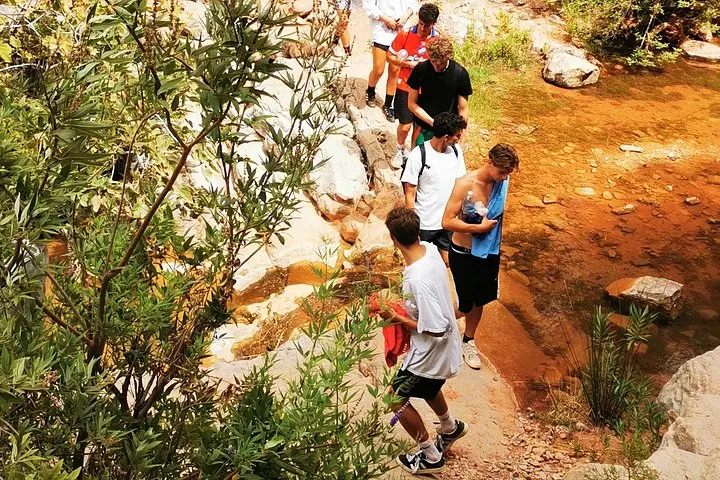
Expect 11 km of mostly easy trails with some uneven rock and short climbs. Your guide will point out edible and medicinal plants, explain argan oil production, and arrange a family-style tagine for lunch. Wear sturdy shoes, bring a refillable water bottle, and plan for sun between 10:00–16:00 when pools are warmest. Bathrooms are basic; support the cooperative purchases to keep income local. If you want quieter photography, start early to catch softer light and avoid mid-day crowds. Respect private farmland and leave no trace — the valley keeps its magic when travelers do.
Frequently asked questions
The trail is rated easy: 11 km with short uneven sections and mild climbs; suitable for most people who can walk several hours on unpaved terrain.
Yes — a typical Berber tagine lunch at a local family's house is included, with mint tea and local sweets.
Private transportation is indicated and Agadir hotel pickup/drop-off is included for bookings of two people or more; confirm pickup point when booking.
Yes — cooperatives sell handmade argan oil and cosmetics; buying supports local producers and sustainable harvesting practices.
About This Experience
Berbere bike and hike Taghazout operates guided outdoor trips and adventures with an emphasis on safety, stewardship, and memorable experiences.
Adventure tips
Recommended gear
- Sturdy hiking shoes: Provides traction on rocky paths and across stream beds.
- Refillable 1–2L water bottle: Keeps you hydrated across the 11 km route; reducing plastic waste helps local conservation.
- Sun hat and sunscreen: Open sections have strong sun—protect skin during midday hours.
- Swimsuit and quick-dry towel: Bring if you plan to swim in the natural pools and waterfall plunge pools.
Photos of the experience
Related adventures & guides
Read the full experience
Dusty road gives way to cool shade as you step beneath argan and palm canopies — the sun picks out clusters of yellow flowers, and the path narrows to stone and sand. The track winds across small farms, past flowered terraces and a local cooperative where argan oil is pressed by hand. The day opens as a living portrait of Berber life: herb gardens used for medicine and food, goats choosing their way across rocky slopes, and a final plunge into a narrow waterfall and a pool that feels like a private cathedral.
Dusty road gives way to cool shade as you step beneath argan and palm canopies — the sun picks out clusters of yellow flowers, and the path narrows to stone and sand. The track winds across small farms, past flowered terraces and a local cooperative where argan oil is pressed by hand. The day opens as a living portrait of Berber life: herb gardens used for medicine and food, goats choosing their way across rocky slopes, and a final plunge into a narrow waterfall and a pool that feels like a private cathedral.
This side of Paradise Valley is different from the busier spots closer to town. Geologically the route follows a folded Atlantic coastal range where sandstone and schist have been cut by seasonal streams into micro-canyons; culturally the area bears traces of Amazigh (Berber) farming patterns and communal argan cooperatives born from centuries of local practice.
Expect 11 km of mostly easy trails with some uneven rock and short climbs. Your guide will point out edible and medicinal plants, explain argan oil production, and arrange a family-style tagine for lunch. Wear sturdy shoes, bring a refillable water bottle, and plan for sun between 10:00–16:00 when pools are warmest. Bathrooms are basic; support the cooperative purchases to keep income local. If you want quieter photography, start early to catch softer light and avoid mid-day crowds. Respect private farmland and leave no trace — the valley keeps its magic when travelers do.
Make a day of it nearby.
Verified experiences and guided adventures in the surrounding area.