THE ADVENTURE COLLECTIVE® · Independent discovery and booking for outdoor travel

Walk beyond the postcard views of Nessebar with a self-guided, audio-enhanced route that reveals lesser-known churches, fountains and alleys on the UNESCO peninsula. Plan 2–3 hours, wear grippy shoes, and bring a charged phone for maps and audio narration.
Walk beyond the postcard views of Nessebar with a self-guided, audio-enhanced route that reveals lesser-known churches, fountains and alleys on the UNESCO peninsula. Plan 2–3 hours, wear grippy shoes, and bring a charged phone for maps and audio narration.
You step off the modern promenade and onto ancient flagstones; the Black Sea breathes salt across your face and gulls dare you to keep moving. Narrow lanes open like chapters: low stone churches punctuate small squares, and a fishing boat rocks in the distance as if keeping time.
Verified experiences and guided adventures in the surrounding area.
Operated by VisitBulgariaOn Bespoke Experiences · Nessebar, Burgas Province
You step off the modern promenade and onto ancient flagstones; the Black Sea breathes salt across your face and gulls dare you to keep moving. Narrow lanes open like chapters: low stone churches punctuate small squares, and a fishing boat rocks in the distance as if keeping time.
Nessebar’s spine is history — a fortified peninsula with Thracian beginnings, Greek and Byzantine layers, and a Medieval town whose brick-and-stone churches earned UNESCO status. Geologically the town perches on a rocky spit where coastal erosion has left tight coves and exposed bedrock; that stony ground gives the streets their imprint and the buildings their weathered character.
Culture here is immediate: local artisans repair wooden shutters, older residents sit by fountains swapping seaside gossip, and small cafes pour strong coffee. The self-guided format uses audio cues and maps to peel back stories the main squares skip — forgotten chapels, a tucked-away fountain, and museum rooms holding fragments of a layered past.
Practical guidance: plan 2–3 hours at a relaxed pace; expect cobbles, occasional steps and tight alleys. Some churches charge entry — bring small change. The tour includes an e-guide and audio, so a charged phone and compact power bank are useful. Morning or late afternoon will reduce midday crowds and heat; after rain the stones can be slick, so take care.
This is a walking experience that privileges curiosity and careful feet: move slowly, listen to the town, and let the hidden corners change how you picture the Black Sea coast.
easy.
2–3 hours.
Suitable for most fitness levels; requires basic mobility to navigate uneven cobbles and short stair sections.
No — the tour is suitable for all fitness levels and uses audio and e-guides to navigate; basic mobility is all that’s required.
Some churches and museums charge separate admission; the self-guided package provides information but not entrance fees.
Many streets are narrow and cobbled with steps; accessibility is limited—contact local services for specific accessible routes.
Service animals are allowed, but pets should be kept on a short leash and not taken into indoor exhibits or sacred spaces.
Nessebar is one of Europe’s oldest towns with Thracian, Greek and Byzantine layers; its concentration of medieval churches and old-town fabric earned UNESCO recognition.
High foot traffic and salty air accelerate wear on stone and wood—stay on established paths, avoid touching fragile masonry, and support local businesses that practice low-impact tourism.
VisitBulgariaOn Bespoke Experiences operates guided outdoor trips and adventures with an emphasis on safety, stewardship, and memorable experiences.
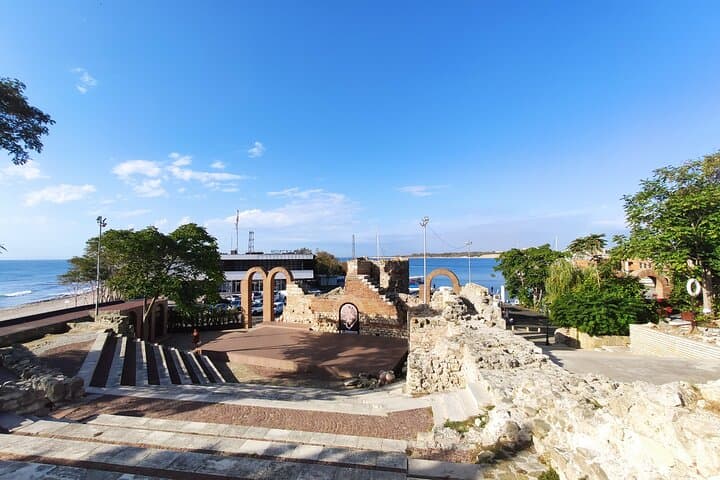
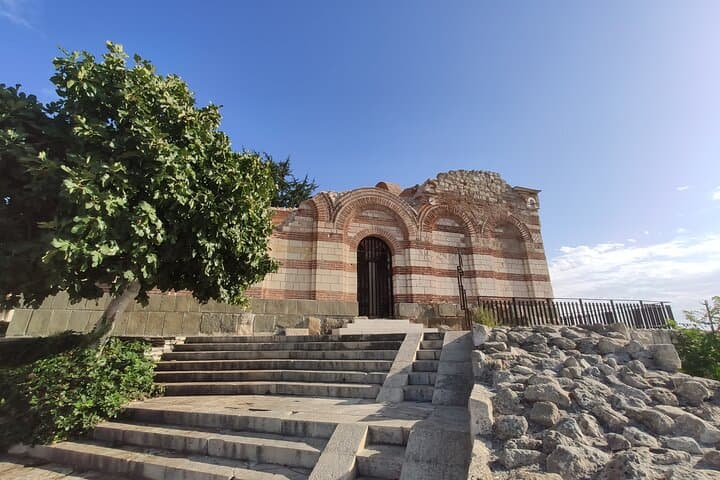
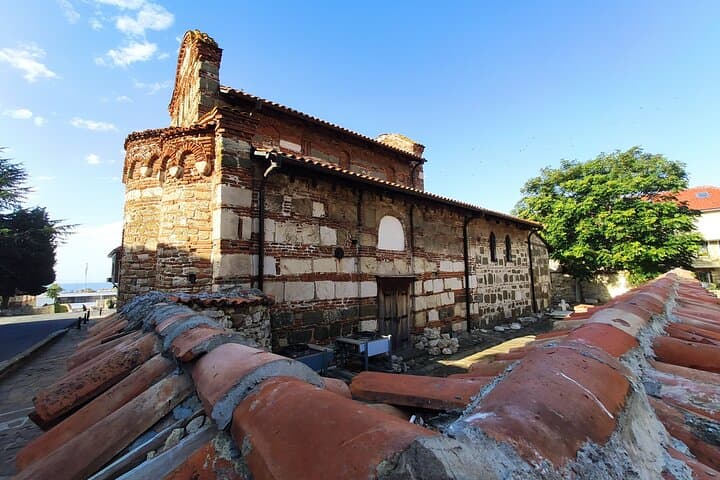
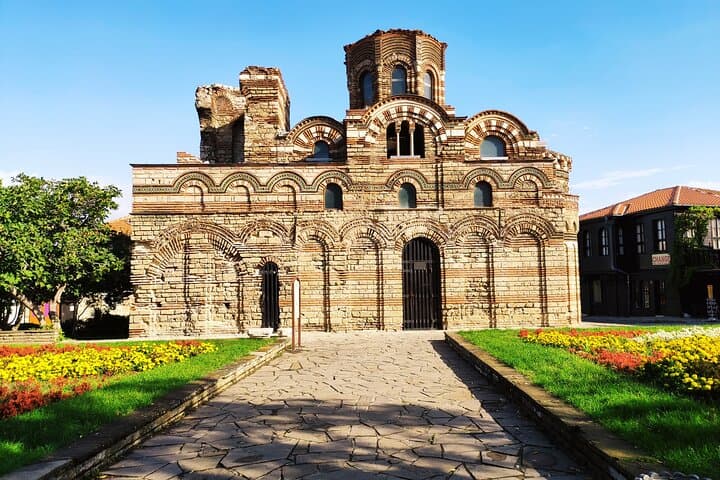
You step off the modern promenade and onto ancient flagstones; the Black Sea breathes salt across your face and gulls dare you to keep moving. Narrow lanes open like chapters: low stone churches punctuate small squares, and a fishing boat rocks in the distance as if keeping time.
You step off the modern promenade and onto ancient flagstones; the Black Sea breathes salt across your face and gulls dare you to keep moving. Narrow lanes open like chapters: low stone churches punctuate small squares, and a fishing boat rocks in the distance as if keeping time.
Nessebar’s spine is history — a fortified peninsula with Thracian beginnings, Greek and Byzantine layers, and a Medieval town whose brick-and-stone churches earned UNESCO status. Geologically the town perches on a rocky spit where coastal erosion has left tight coves and exposed bedrock; that stony ground gives the streets their imprint and the buildings their weathered character.
Culture here is immediate: local artisans repair wooden shutters, older residents sit by fountains swapping seaside gossip, and small cafes pour strong coffee. The self-guided format uses audio cues and maps to peel back stories the main squares skip — forgotten chapels, a tucked-away fountain, and museum rooms holding fragments of a layered past.
Practical guidance: plan 2–3 hours at a relaxed pace; expect cobbles, occasional steps and tight alleys. Some churches charge entry — bring small change. The tour includes an e-guide and audio, so a charged phone and compact power bank are useful. Morning or late afternoon will reduce midday crowds and heat; after rain the stones can be slick, so take care.
This is a walking experience that privileges curiosity and careful feet: move slowly, listen to the town, and let the hidden corners change how you picture the Black Sea coast.