THE ADVENTURE COLLECTIVE® · Independent discovery and booking for outdoor travel

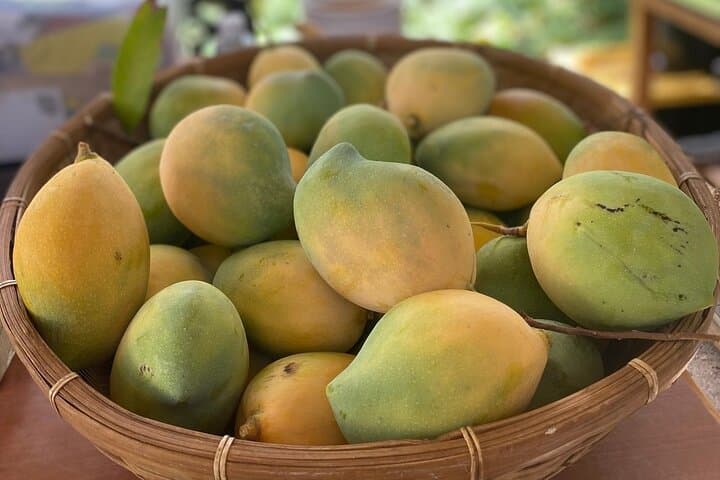
Spend 45 minutes wandering a four-acre food forest on Maui’s west shore. Taste fresh-pressed sugar cane, mangos and coconuts while learning regenerative practices and how sea salt is made.
Spend 45 minutes wandering a four-acre food forest on Maui’s west shore. Taste fresh-pressed sugar cane, mangos and coconuts while learning regenerative practices and how sea salt is made.
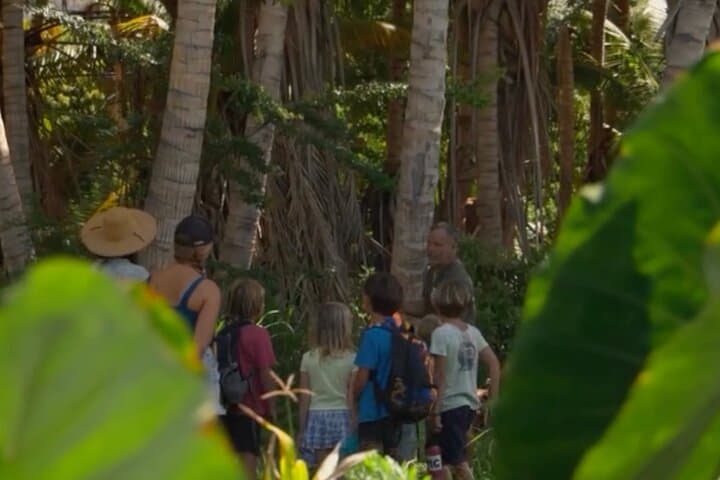
The trail from the highway eases into a lane of palms and mango trees; the Pacific sits just beyond the orchard, trading a steady breath of salt for the sweet scent of ripening fruit. On a 45-minute guided visit you move through a living farm—over 300 coconut palms, layered citrus and starfruit, and beds of vegetables—while hosts press sugar cane and pour teas harvested on site.
Verified experiences and guided adventures in the surrounding area.
Operated by Living Earth Systems Farm Stand · Olowalu, Hawaii
The trail from the highway eases into a lane of palms and mango trees; the Pacific sits just beyond the orchard, trading a steady breath of salt for the sweet scent of ripening fruit. On a 45-minute guided visit you move through a living farm—over 300 coconut palms, layered citrus and starfruit, and beds of vegetables—while hosts press sugar cane and pour teas harvested on site.
This four-acre working food forest sits at the base of the West Maui Mountains where ancient lava flows met the sea to create coastal limestone and benches. Polynesian and later plantation-era agriculture shaped the coastline’s crops; today regenerative methods replace the earlier monoculture approach, emphasizing compost, mulches and multi-layered plantings instead of synthetic fertilizer.
Culturally the orchard revives Hawaiian relationships to food—coconut as ‘‘the tree of life’’ and salt produced from ocean water are taught alongside tasting. Geology is visible in the low coastal reef and the slope that funnels trade winds through the trees; the ocean and mountain act as constant collaborators.
Practical notes: the tour is short and low-effort but outdoors—expect dusty paths and direct sun. Wear closed-toe shoes and a sun hat, bring water and a light layer if trade winds pick up. The meeting point is the Olowalu Residential Recycling & Refuse Center; parking is roadside. Photography is excellent at sunset but the orchard is active year-round. Respect harvesting areas, honor guided instructions for tasting and handling fruit, and consider supporting regenerative farms by buying a jar of hand-made salt before you go.
easy.
45 minutes.
Suitable for almost any fitness level; mostly flat walking with short standing periods
The guided visit is approximately 45 minutes long.
Yes—infants can ride in strollers and the tour is rated easy; children should be supervised around fruit trees and preparation areas.
Yes, the farm often offers hand-made salt and may sell surplus fruit when in season—ask your guide.
Meet at the Olowalu Residential Recycling & Refuse Center; plug that into Google Maps for the exact location.
The coastal plain reflects layers of Hawaiian cultivation and later plantation influence; current owners focus on restoring a once-defunct orchard through regenerative agriculture.
The farm emphasizes regenerative practices—composting, polyculture plantings and minimal external inputs—to rebuild soil and increase biodiversity. Visitors are asked to avoid stepping on planted beds and to take only what’s offered.
Living Earth Systems Farm Stand operates guided outdoor trips and adventures with an emphasis on safety, stewardship, and memorable experiences.

The trail from the highway eases into a lane of palms and mango trees; the Pacific sits just beyond the orchard, trading a steady breath of salt for the sweet scent of ripening fruit. On a 45-minute guided visit you move through a living farm—over 300 coconut palms, layered citrus and starfruit, and beds of vegetables—while hosts press sugar cane and pour teas harvested on site.
The trail from the highway eases into a lane of palms and mango trees; the Pacific sits just beyond the orchard, trading a steady breath of salt for the sweet scent of ripening fruit. On a 45-minute guided visit you move through a living farm—over 300 coconut palms, layered citrus and starfruit, and beds of vegetables—while hosts press sugar cane and pour teas harvested on site.
This four-acre working food forest sits at the base of the West Maui Mountains where ancient lava flows met the sea to create coastal limestone and benches. Polynesian and later plantation-era agriculture shaped the coastline’s crops; today regenerative methods replace the earlier monoculture approach, emphasizing compost, mulches and multi-layered plantings instead of synthetic fertilizer.
Culturally the orchard revives Hawaiian relationships to food—coconut as ‘‘the tree of life’’ and salt produced from ocean water are taught alongside tasting. Geology is visible in the low coastal reef and the slope that funnels trade winds through the trees; the ocean and mountain act as constant collaborators.
Practical notes: the tour is short and low-effort but outdoors—expect dusty paths and direct sun. Wear closed-toe shoes and a sun hat, bring water and a light layer if trade winds pick up. The meeting point is the Olowalu Residential Recycling & Refuse Center; parking is roadside. Photography is excellent at sunset but the orchard is active year-round. Respect harvesting areas, honor guided instructions for tasting and handling fruit, and consider supporting regenerative farms by buying a jar of hand-made salt before you go.