THE ADVENTURE COLLECTIVE® · Independent discovery and booking for outdoor travel

Cover 8 km of Kyoto’s heritage by e-bike: Golden Pavilion reflections, quiet Daitokuji subtemples and neighborhood shrines on a 3–4 hour guided route. Ideal for first-time riders who want compact, cultural cycling with an English-speaking guide.
Cover 8 km of Kyoto’s heritage by e-bike: Golden Pavilion reflections, quiet Daitokuji subtemples and neighborhood shrines on a 3–4 hour guided route. Ideal for first-time riders who want compact, cultural cycling with an English-speaking guide.
You start on a quiet side street just off a canal, the hum of an electric motor soft under your feet as cedar-lined alleys slide past. The guide steers the group through laneways few tourists find, then opens onto a view of gold flashing against a pond — Kinkakuji, the Golden Pavilion — its lacquered façade demanding a moment of stillness.
Verified experiences and guided adventures in the surrounding area.
Operated by NORU · Kyoto, Kyoto Prefecture
You start on a quiet side street just off a canal, the hum of an electric motor soft under your feet as cedar-lined alleys slide past. The guide steers the group through laneways few tourists find, then opens onto a view of gold flashing against a pond — Kinkakuji, the Golden Pavilion — its lacquered façade demanding a moment of stillness.
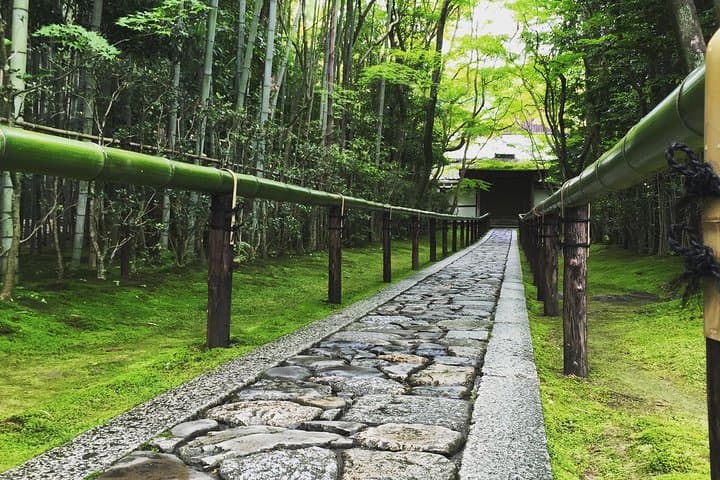
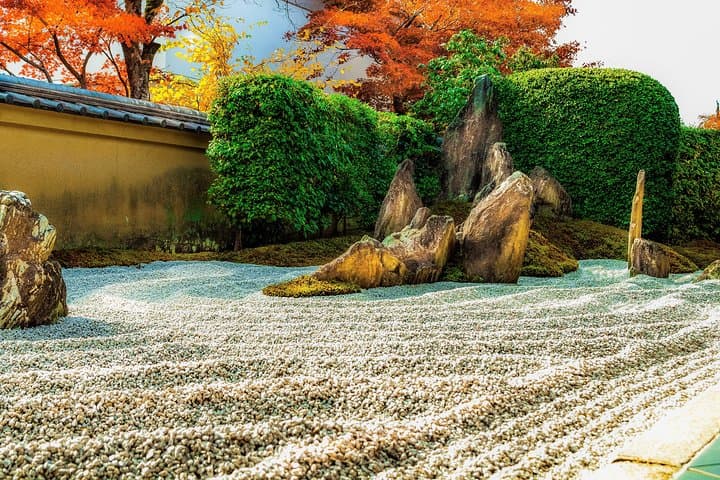
The route is short—about 8 kilometers—yet dense with Kyoto’s layered history. Kinkakuji began as a Muromachi-period villa and now reads like a lesson in Zen garden composition: water, reflection, and framed mountain. Nearby Daitokuji’s subtemples (Koto-in and Zuiho-in) show a quieter, scholastic side of Rinzai Zen; stone lanterns and mossed halls reflect centuries of monastic life. You’ll also pass Imamiyajinja and Kitanotenmangu, neighborhood shrines where local festivals and seasonal rituals still mark civic time.
Geologically Kyoto sits on an alluvial plain with low elevation gain—this is urban riding, not mountain ascent—so expect smooth pavement, occasional cobbles and pedestrian sections where you’ll park and walk.
Practical guide: the tour lasts about 3–4 hours with rental e-bike, helmet and bottled water included; minimum age 13. It’s suitable for most fitness levels but not recommended for pregnant guests or those with serious heart conditions. Arrive 15 minutes early; tours depart multiple times daily and require basic bike handling. Dress modestly for temple visits, carry small change for shrine offerings, and keep to marked paths to respect conservation efforts.
easy.
3–4 hours.
Suitable for most recreational fitness levels; ability to balance and pedal intermittently for up to 8 km required
Yes; these are pedal-assist e-bikes designed for urban riding—guides provide a brief orientation and keep the pace moderate.
Minimum age is 13; bring ID if requested and ensure minors are comfortable with bike handling in mixed traffic.
Kinkakuji’s main structure is viewed from the grounds only; you’ll walk the surrounding paths but not enter the pavilion itself.
Full refund is available if you cancel at least 24 hours before departure; tours may be canceled for bad weather or low bookings.
Kinkakuji began as a Muromachi-period retirement villa and was converted into a Zen temple; Daitokuji developed as a major Rinzai training complex with many small subtemples.
High foot traffic stresses temple gardens—stay on paths, avoid touching plantings, and support local conservation by patronizing small shops and following site rules.
NORU operates guided outdoor trips and adventures with an emphasis on safety, stewardship, and memorable experiences.
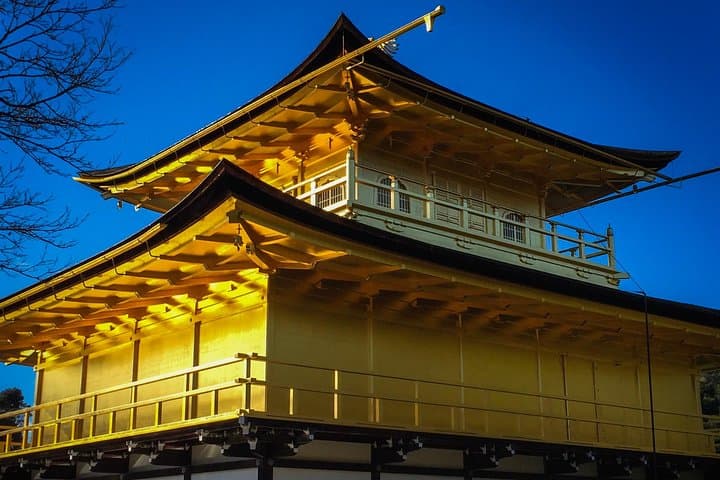
You start on a quiet side street just off a canal, the hum of an electric motor soft under your feet as cedar-lined alleys slide past. The guide steers the group through laneways few tourists find, then opens onto a view of gold flashing against a pond — Kinkakuji, the Golden Pavilion — its lacquered façade demanding a moment of stillness.
You start on a quiet side street just off a canal, the hum of an electric motor soft under your feet as cedar-lined alleys slide past. The guide steers the group through laneways few tourists find, then opens onto a view of gold flashing against a pond — Kinkakuji, the Golden Pavilion — its lacquered façade demanding a moment of stillness.
The route is short—about 8 kilometers—yet dense with Kyoto’s layered history. Kinkakuji began as a Muromachi-period villa and now reads like a lesson in Zen garden composition: water, reflection, and framed mountain. Nearby Daitokuji’s subtemples (Koto-in and Zuiho-in) show a quieter, scholastic side of Rinzai Zen; stone lanterns and mossed halls reflect centuries of monastic life. You’ll also pass Imamiyajinja and Kitanotenmangu, neighborhood shrines where local festivals and seasonal rituals still mark civic time.
Geologically Kyoto sits on an alluvial plain with low elevation gain—this is urban riding, not mountain ascent—so expect smooth pavement, occasional cobbles and pedestrian sections where you’ll park and walk.
Practical guide: the tour lasts about 3–4 hours with rental e-bike, helmet and bottled water included; minimum age 13. It’s suitable for most fitness levels but not recommended for pregnant guests or those with serious heart conditions. Arrive 15 minutes early; tours depart multiple times daily and require basic bike handling. Dress modestly for temple visits, carry small change for shrine offerings, and keep to marked paths to respect conservation efforts.