THE ADVENTURE COLLECTIVE® · Independent discovery and booking for outdoor travel

Ride through Kraków’s lesser-seen quarters on a three-hour guided tour that combines WWII and communist history with quiet urban panoramas. Expect cobbles, city views and thoughtful storytelling at sites like Schindler’s factory and Ghetto Heroes Square.
Ride through Kraków’s lesser-seen quarters on a three-hour guided tour that combines WWII and communist history with quiet urban panoramas. Expect cobbles, city views and thoughtful storytelling at sites like Schindler’s factory and Ghetto Heroes Square.
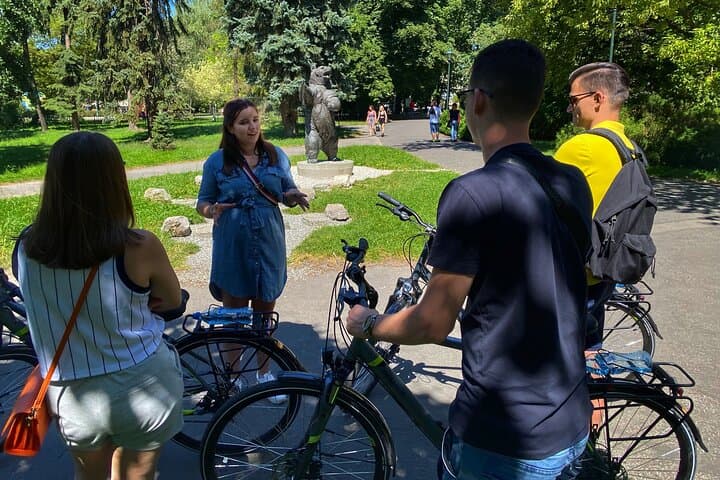
You pull on a helmet at a quiet meeting point and within minutes the city shifts: cobblestones click under tires, the Vistula nudges the riverbank, and façades that once hid wartime scars open into streets of memory.
Verified experiences and guided adventures in the surrounding area.
Operated by Mijn Krakau Tours · Kraków, Lesser Poland Voivodeship
You pull on a helmet at a quiet meeting point and within minutes the city shifts: cobblestones click under tires, the Vistula nudges the riverbank, and façades that once hid wartime scars open into streets of memory.
This three-hour guided ride threads Kazimierz, Podgórze and the former Jewish Ghetto, pausing at Schindler’s factory, Ghetto Heroes Square and a Jewish cemetery where names and stones anchor stories to place. The route follows layers of history—Austro-Hungarian urban grids giving way to wartime barricades and postwar communist blocks—each neighborhood a chapter in Kraków’s 20th-century arc.
Geology here is urbanized: the city sits on Vistula floodplain terraces and limestone bedrock that shaped medieval walls and compact streets. Cultural context matters; guides focus on personal narratives and resistance, explaining how events reshaped local identity and how memorials function in public memory.
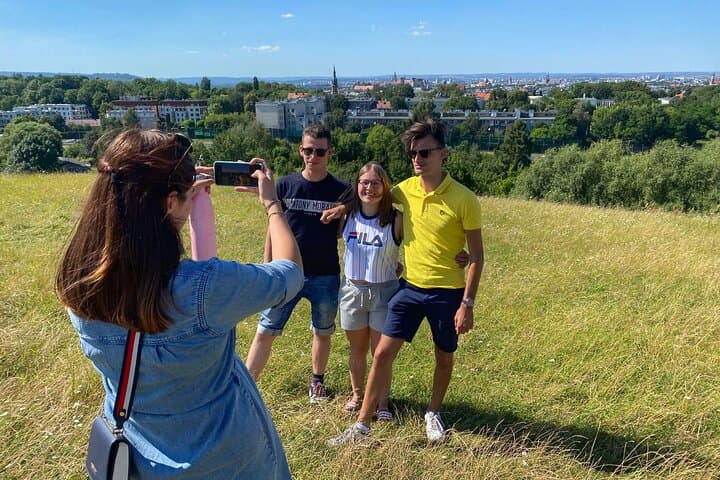
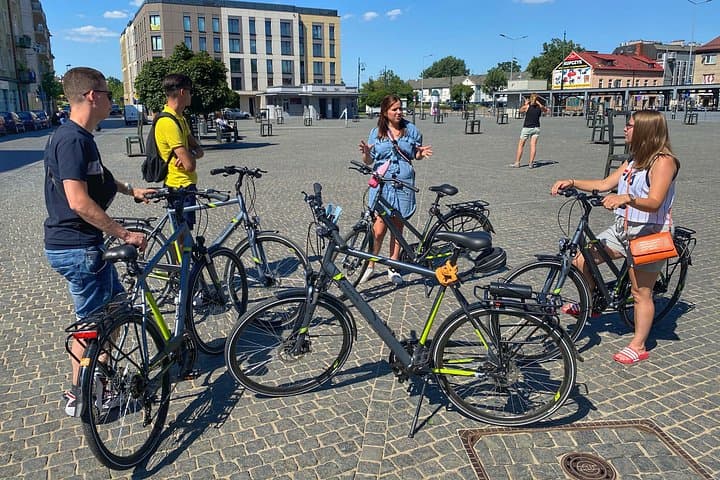
Practical guidance is direct: the tour is mostly flat but uses mixed cobbles and bike lanes; expect short stretches of tight traffic and pedestrian-packed squares. Wear comfortable shoes, bring a water bottle, and follow the guide’s cues at memorial sites—this is an interpretive, respectful experience as much as a ride. Best light for photos is late afternoon when the city’s layers warm and the panoramic viewpoint delivers a sweeping look back over roofs and rivers.
Whether you’re seeking history, a readable cityscape, or a brisk urban spin, this tour balances narrative depth with accessible cycling—an active, grounded way to see Kraków beyond the postcard.
easy.
3 hours.
Suitable for light to moderate fitness; you should be comfortable riding a city bike for several hours with short stops
The tour lasts about 3 hours and covers roughly 8–12 km of mostly flat urban terrain with several short walking stops.
Basic cycling ability and confidence in city traffic are recommended; guides accommodate casual riders and the pace is moderate.
No; visits point out sites like Schindler’s factory from outside unless you arrange separate admission—this tour focuses on street-level history.
Operators accept special requirements at booking—contact them ahead of time to discuss accommodations or limited walking options.
Kraków’s Podgórze and Kazimierz districts were central to WWII events: the Ghetto was walled off in 1941 and later became a focal point of resistance and deportation.
Small-group urban tours reduce footprint by limiting numbers and using bikes; visitors are encouraged to stay on paths, avoid littering, and treat memorials respectfully.
Mijn Krakau Tours operates guided outdoor trips and adventures with an emphasis on safety, stewardship, and memorable experiences.
You pull on a helmet at a quiet meeting point and within minutes the city shifts: cobblestones click under tires, the Vistula nudges the riverbank, and façades that once hid wartime scars open into streets of memory.
You pull on a helmet at a quiet meeting point and within minutes the city shifts: cobblestones click under tires, the Vistula nudges the riverbank, and façades that once hid wartime scars open into streets of memory.
This three-hour guided ride threads Kazimierz, Podgórze and the former Jewish Ghetto, pausing at Schindler’s factory, Ghetto Heroes Square and a Jewish cemetery where names and stones anchor stories to place. The route follows layers of history—Austro-Hungarian urban grids giving way to wartime barricades and postwar communist blocks—each neighborhood a chapter in Kraków’s 20th-century arc.
Geology here is urbanized: the city sits on Vistula floodplain terraces and limestone bedrock that shaped medieval walls and compact streets. Cultural context matters; guides focus on personal narratives and resistance, explaining how events reshaped local identity and how memorials function in public memory.
Practical guidance is direct: the tour is mostly flat but uses mixed cobbles and bike lanes; expect short stretches of tight traffic and pedestrian-packed squares. Wear comfortable shoes, bring a water bottle, and follow the guide’s cues at memorial sites—this is an interpretive, respectful experience as much as a ride. Best light for photos is late afternoon when the city’s layers warm and the panoramic viewpoint delivers a sweeping look back over roofs and rivers.
Whether you’re seeking history, a readable cityscape, or a brisk urban spin, this tour balances narrative depth with accessible cycling—an active, grounded way to see Kraków beyond the postcard.