THE ADVENTURE COLLECTIVE® · Independent discovery and booking for outdoor travel

Discover five lesser-known Gilis off West Sekotong on a private day boat—calm lagoons, colorful reefs, and a seafood lunch on a sleepy island. This tour moves at an easy pace, with hour-long stops for snorkeling and beach time.
Discover five lesser-known Gilis off West Sekotong on a private day boat—calm lagoons, colorful reefs, and a seafood lunch on a sleepy island. This tour moves at an easy pace, with hour-long stops for snorkeling and beach time.
You push off from a low-slung wooden jetty as the morning light skims the water; the boat’s bow parts a sheet of glass and the islands appear—small, white shoulders rising from blue. Each Gili in West Sekotong has its own mood: Layar’s coral gardens hum under the surface, Nanggu’s powder sand invites a slow, barefoot walk, Sudak smells of grilled fish at lunchtime, Kedis shrinks to a photogenic speck, and Rengit holds shallow reefs ideal for timid snorkelers.
Verified experiences and guided adventures in the surrounding area.
Operated by Lombok Tour Club · Sekotong, West Nusa Tenggara
You push off from a low-slung wooden jetty as the morning light skims the water; the boat’s bow parts a sheet of glass and the islands appear—small, white shoulders rising from blue. Each Gili in West Sekotong has its own mood: Layar’s coral gardens hum under the surface, Nanggu’s powder sand invites a slow, barefoot walk, Sudak smells of grilled fish at lunchtime, Kedis shrinks to a photogenic speck, and Rengit holds shallow reefs ideal for timid snorkelers.
Geologically these gilis are coral islands formed on a continental shelf off Lombok’s southwest coast; currents and coral growth shaped their protected lagoons. Culturally the area is quieter than the northern Gili cluster—fishing families, local seafood shacks, and occasional seaweed beds set the pace. The maritime history here is simple: small-boat trade and subsistence fishing have long defined life on Sekotong’s fringes.
Practical guidance: tours typically run ~9 hours and stop about an hour at each island, with lunch on Gili Sudak and snorkeling gear supplied. Sea conditions are usually calm in the dry season (May–Oct); bring reef‑safe sunscreen, a light rashguard, and a waterproof pouch for your phone. Spend your surface time scanning for turtles and parrotfish, and avoid standing on coral—reefs here are fragile and recover slowly.
Expect easy water entry, shallow reefs in many spots, brief boat transfers between islands, and a pace geared toward relaxed exploration rather than high-adrenaline dives. Plan for seasickness prevention if you’re prone, and time your visit early in the day for the best visibility and steadier seas.
easy.
9 hours.
Suitable for most fitness levels; participants should be comfortable in shallow ocean water and able to swim short distances.
Yes—tours include use of snorkeling equipment, but if you prefer your own mask for fit or comfort you can bring it.
Currents are generally mild in the sheltered lagoons; however, conditions can change with wind and tides—guides choose safe entry points.
Non‑swimmers can join but should wear a life jacket during snorkeling and stay with the guide or a flotation device.
Lunch is typically local seafood on Gili Sudak—inform the operator of dietary needs at booking so alternatives can be arranged when possible.
West Sekotong’s small islands were long used by fishing communities; they remain less developed than northern gilis, preserving traditional fishing practices and quiet beaches.
These reefs are fragile—use reef‑safe products, avoid touching coral, and follow guide instructions to minimize impact on marine life.
Lombok Tour Club operates guided outdoor trips and adventures with an emphasis on safety, stewardship, and memorable experiences.
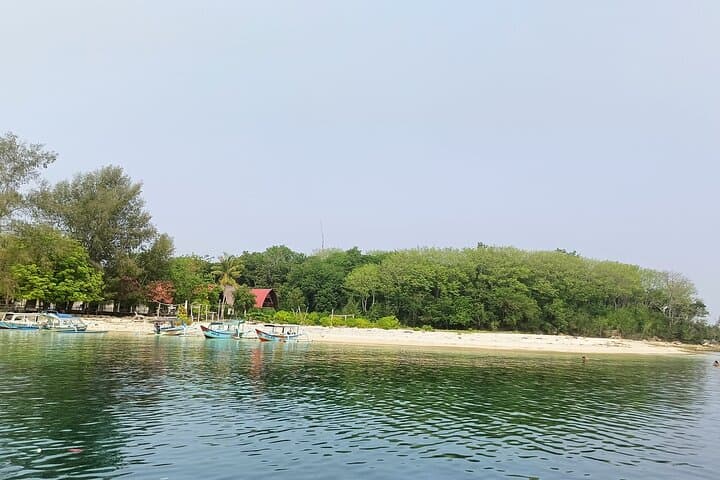
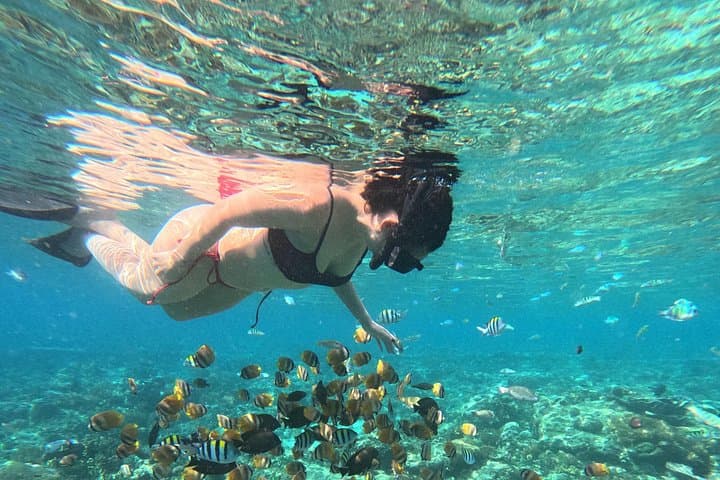
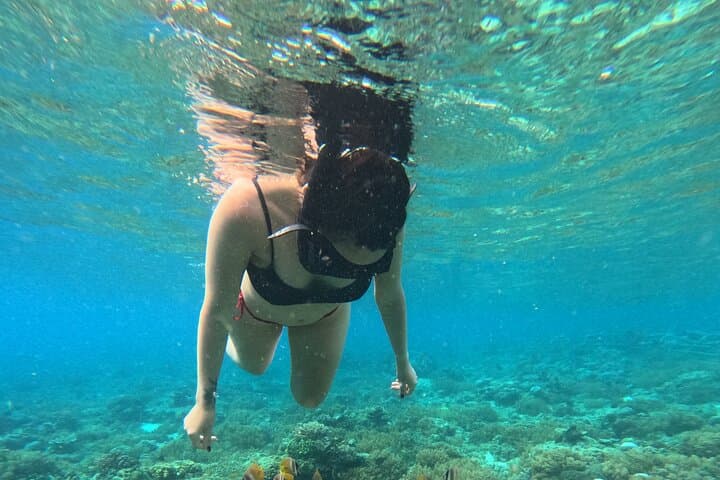
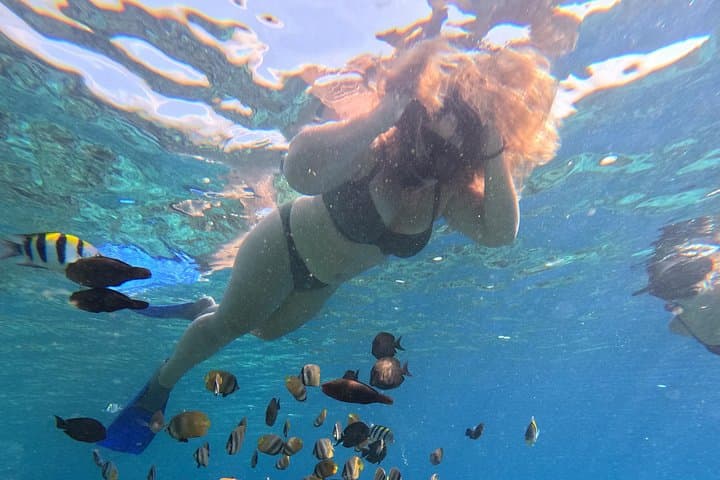
You push off from a low-slung wooden jetty as the morning light skims the water; the boat’s bow parts a sheet of glass and the islands appear—small, white shoulders rising from blue. Each Gili in West Sekotong has its own mood: Layar’s coral gardens hum under the surface, Nanggu’s powder sand invites a slow, barefoot walk, Sudak smells of grilled fish at lunchtime, Kedis shrinks to a photogenic speck, and Rengit holds shallow reefs ideal for timid snorkelers.
You push off from a low-slung wooden jetty as the morning light skims the water; the boat’s bow parts a sheet of glass and the islands appear—small, white shoulders rising from blue. Each Gili in West Sekotong has its own mood: Layar’s coral gardens hum under the surface, Nanggu’s powder sand invites a slow, barefoot walk, Sudak smells of grilled fish at lunchtime, Kedis shrinks to a photogenic speck, and Rengit holds shallow reefs ideal for timid snorkelers.
Geologically these gilis are coral islands formed on a continental shelf off Lombok’s southwest coast; currents and coral growth shaped their protected lagoons. Culturally the area is quieter than the northern Gili cluster—fishing families, local seafood shacks, and occasional seaweed beds set the pace. The maritime history here is simple: small-boat trade and subsistence fishing have long defined life on Sekotong’s fringes.
Practical guidance: tours typically run ~9 hours and stop about an hour at each island, with lunch on Gili Sudak and snorkeling gear supplied. Sea conditions are usually calm in the dry season (May–Oct); bring reef‑safe sunscreen, a light rashguard, and a waterproof pouch for your phone. Spend your surface time scanning for turtles and parrotfish, and avoid standing on coral—reefs here are fragile and recover slowly.
Expect easy water entry, shallow reefs in many spots, brief boat transfers between islands, and a pace geared toward relaxed exploration rather than high-adrenaline dives. Plan for seasickness prevention if you’re prone, and time your visit early in the day for the best visibility and steadier seas.