THE ADVENTURE COLLECTIVE® · Independent discovery and booking for outdoor travel

Cruise non-touristy lanes of Interlaken on an electric cargo bike, pass wooden chalets and gardens, then enjoy a lakeside Swiss picnic at vivid Lake Brienz. This easy 2.5‑hour ride mixes local insight with scenic payoff.
Cruise non-touristy lanes of Interlaken on an electric cargo bike, pass wooden chalets and gardens, then enjoy a lakeside Swiss picnic at vivid Lake Brienz. This easy 2.5‑hour ride mixes local insight with scenic payoff.
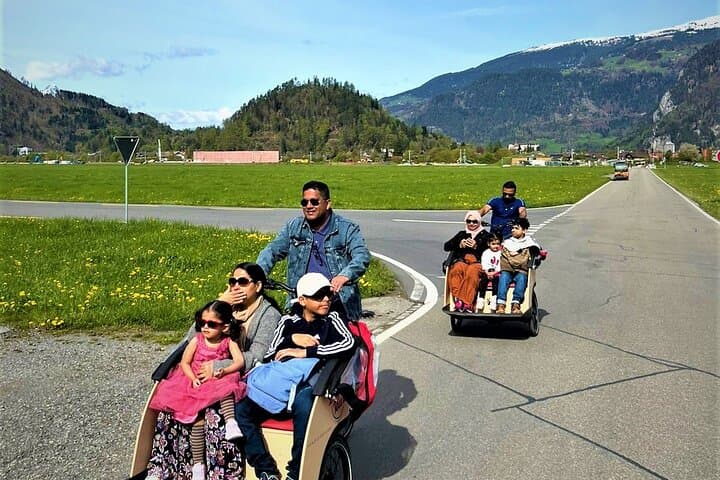
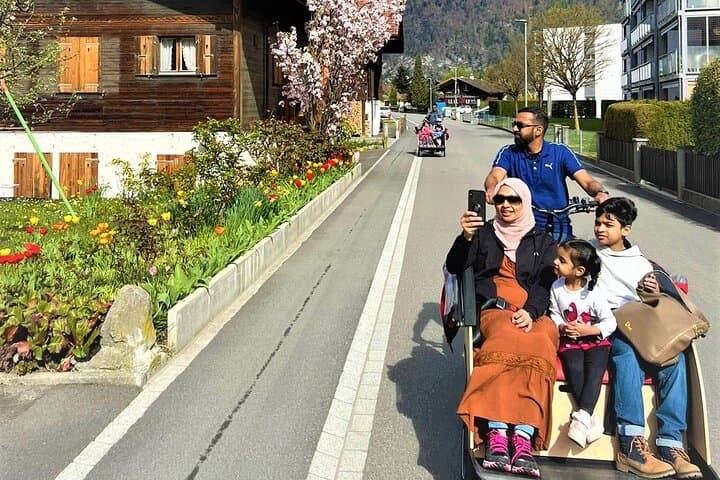
You start on an electric cargo bike, the motor humming beneath your legs as village lanes open onto lake views. The route is flat and forgiving; gardens, wooden chalets and narrow lanes of Bönigen slip by like pages in a local photo album. The turquoise of Lake Brienz dares you to slow down—its color sharpened by glacial sediment—and the Alps rise beyond in clean, glaciated profiles.
Verified experiences and guided adventures in the surrounding area.
Operated by Loop Tours Luzern · Interlaken, Canton of Bern
You start on an electric cargo bike, the motor humming beneath your legs as village lanes open onto lake views. The route is flat and forgiving; gardens, wooden chalets and narrow lanes of Bönigen slip by like pages in a local photo album. The turquoise of Lake Brienz dares you to slow down—its color sharpened by glacial sediment—and the Alps rise beyond in clean, glaciated profiles.
This area sits on the northern edge of the Bernese Oberland. Geology here is recent on a geological timescale: glacial scouring left deep basins that now hold Brienz and Thun, while human settlement favored sheltered lakeshores where timber and tourism later grew. The wooden chalets in Böningen reflect centuries of alpine carpentry; locals still keep kitchen gardens and small orchards that hint at traditional livelihoods.
The tour blends easy cycling with cultural context: a guide points out local architecture, explains why the lake is strikingly blue, and shares practical Swiss etiquette—think punctuality and quiet conversation in public spaces. The picnic is straightforward but classic: regional bread, cheese and charcuterie eaten lakeside with an alpine backdrop.
Practical guidance: this ride is short (about 2½ hours), entirely flat, and suitable for most people. Bring a charged phone, a small daypack for layers, and a reusable water bottle. Aim for morning or late afternoon light for the best photos, and allow time afterward to stroll the lakeshore or visit a chalet garden.
easy.
2–3 hours.
Suitable for most fitness levels; minimal exertion thanks to electric assist
No—electric assist handles most of the work and the tour stays on flat, easy terrain suitable for first‑time e‑bike riders.
Small group format—typically up to four riders—so expect a guided and personal experience.
Guides can usually accommodate dietary requests if notified in advance; indicate preferences when booking.
Tours may be canceled with a full refund if weather is unsafe; light rain often proceeds with appropriate clothing.
Lake Brienz’s bays and villages grew from 19th‑century summer tourism and older timbercraft traditions; local chalets show centuries of alpine woodworking.
Stick to marked paths and avoid littering—the lake’s color and clarity depend on low nutrient runoff; local guides emphasize Leave No Trace practices.
Loop Tours Luzern operates guided outdoor trips and adventures with an emphasis on safety, stewardship, and memorable experiences.


You start on an electric cargo bike, the motor humming beneath your legs as village lanes open onto lake views. The route is flat and forgiving; gardens, wooden chalets and narrow lanes of Bönigen slip by like pages in a local photo album. The turquoise of Lake Brienz dares you to slow down—its color sharpened by glacial sediment—and the Alps rise beyond in clean, glaciated profiles.
You start on an electric cargo bike, the motor humming beneath your legs as village lanes open onto lake views. The route is flat and forgiving; gardens, wooden chalets and narrow lanes of Bönigen slip by like pages in a local photo album. The turquoise of Lake Brienz dares you to slow down—its color sharpened by glacial sediment—and the Alps rise beyond in clean, glaciated profiles.
This area sits on the northern edge of the Bernese Oberland. Geology here is recent on a geological timescale: glacial scouring left deep basins that now hold Brienz and Thun, while human settlement favored sheltered lakeshores where timber and tourism later grew. The wooden chalets in Böningen reflect centuries of alpine carpentry; locals still keep kitchen gardens and small orchards that hint at traditional livelihoods.
The tour blends easy cycling with cultural context: a guide points out local architecture, explains why the lake is strikingly blue, and shares practical Swiss etiquette—think punctuality and quiet conversation in public spaces. The picnic is straightforward but classic: regional bread, cheese and charcuterie eaten lakeside with an alpine backdrop.
Practical guidance: this ride is short (about 2½ hours), entirely flat, and suitable for most people. Bring a charged phone, a small daypack for layers, and a reusable water bottle. Aim for morning or late afternoon light for the best photos, and allow time afterward to stroll the lakeshore or visit a chalet garden.