THE ADVENTURE COLLECTIVE® · Independent discovery and booking for outdoor travel

Explore three hidden layers of Rome in a single walk—from Michelangelo’s Moses to a buried Mithraic temple. This 3‑hour tour peels back the city’s history with close-up access to crypts, frescoes and ancient foundations.
Explore three hidden layers of Rome in a single walk—from Michelangelo’s Moses to a buried Mithraic temple. This 3‑hour tour peels back the city’s history with close-up access to crypts, frescoes and ancient foundations.
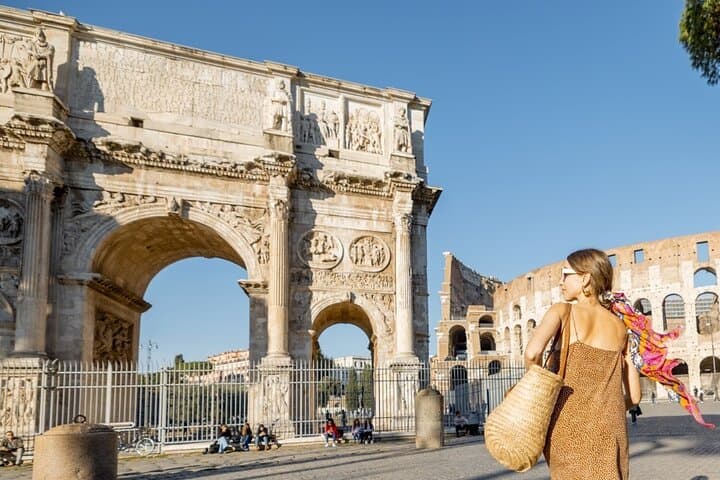
You step off the cobbled street into the shadow of the Arch of Constantine and feel the city tilt beneath you—layers of stone, worship and empire stacked within a few metres of pavement. The guide leads the way, voice low against the distant rumble of scooters, and the first doorway opens onto marble, fresco and a surprising hush.
Verified experiences and guided adventures in the surrounding area.
Operated by MauriTour · Rome, Lazio
You step off the cobbled street into the shadow of the Arch of Constantine and feel the city tilt beneath you—layers of stone, worship and empire stacked within a few metres of pavement. The guide leads the way, voice low against the distant rumble of scooters, and the first doorway opens onto marble, fresco and a surprising hush.
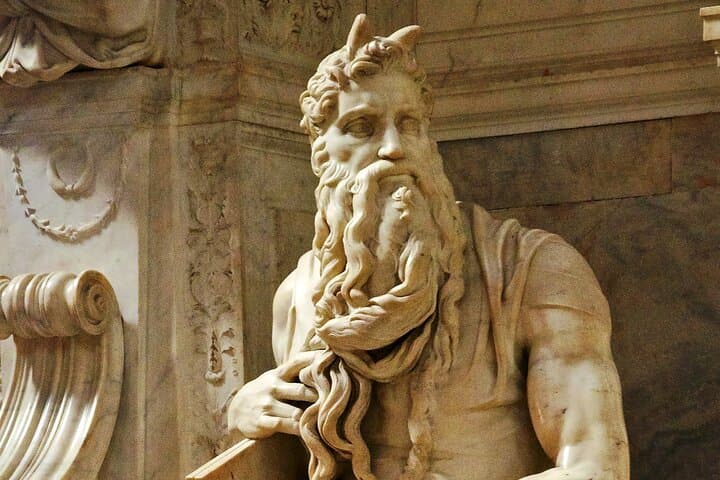
This three-hour walking tour threads through Rome’s vertical history. It starts at San Pietro in Vincoli, where Michelangelo’s Moses watches over a church whose foundations sit on older Roman fabric. San Martino ai Monti offers frescoed vaults and an intimate crypt that exposes early-Christian burial practices. Passing through Parco del Colle Oppio, you encounter the visible ruins of Nero’s Domus Aurea—concrete vaults and brickwork that tell a geological story of volcanic tuff and Roman engineering.
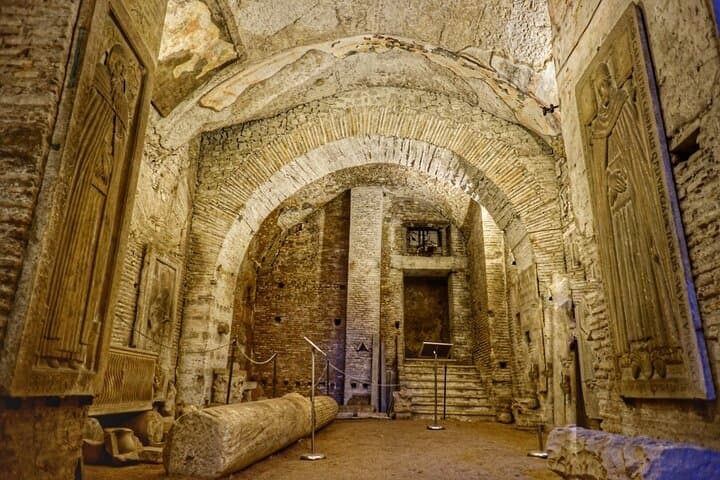
The finale is Basilica di San Clemente: medieval mosaics above a 4th-century church and, below that, a Mithraic cult space—an archaeological vertical of rituals, re-use and urban continuity. The underground rooms are cool, dim and tightly spaced; they demand a steady step and measured breathing.
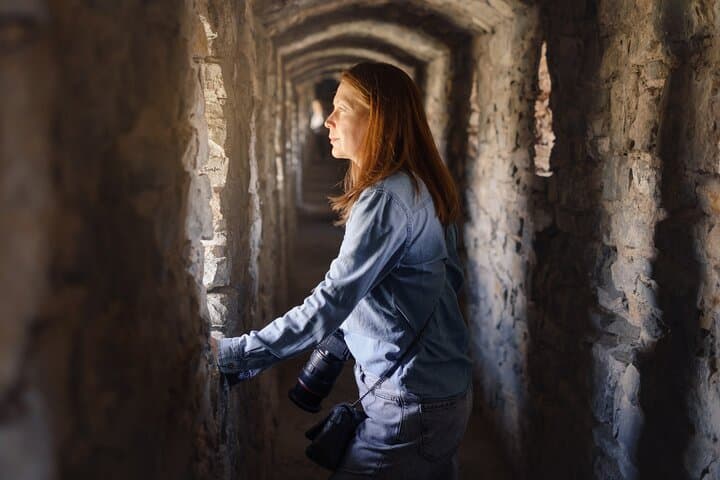
Practical notes: the route involves moderate walking, steps and low ceilings in crypt areas—sturdy shoes and a small daypack are recommended. Bring water and sunscreen for surface stretches; expect some stair descent and uneven stone underfoot. Tours are best in mornings to avoid crowds and heat. Listen to the guide’s pacing—some subterranean passages are narrow and echo; move deliberately and you’ll leave with a clearer sense of how Rome keeps its past below ground and underfoot.
moderate.
3 hours.
Moderate fitness; able to walk 2–3 miles on uneven pavement and descend multiple staircases.
The tour is about three hours and includes moderate walking—roughly 2–3 miles—plus stair descents into crypts and underground rooms.
Yes; the tour description indicates that entrance fees and tickets are included in the booking price.
Not recommended for those with spinal or serious mobility problems—there are stairs, narrow passages and uneven surfaces in subterranean areas.
This specific departure is led by an English-speaking guide.
Rome’s center is literally stratified: medieval churches were often built atop Roman and pre-Roman structures, reusing materials and spaces across centuries.
Subterranean sites are fragile—follow guides’ paths, avoid touching frescoes and minimize flash photography to protect pigments and ancient mortar.
MauriTour operates guided outdoor trips and adventures with an emphasis on safety, stewardship, and memorable experiences.
You step off the cobbled street into the shadow of the Arch of Constantine and feel the city tilt beneath you—layers of stone, worship and empire stacked within a few metres of pavement. The guide leads the way, voice low against the distant rumble of scooters, and the first doorway opens onto marble, fresco and a surprising hush.
You step off the cobbled street into the shadow of the Arch of Constantine and feel the city tilt beneath you—layers of stone, worship and empire stacked within a few metres of pavement. The guide leads the way, voice low against the distant rumble of scooters, and the first doorway opens onto marble, fresco and a surprising hush.
This three-hour walking tour threads through Rome’s vertical history. It starts at San Pietro in Vincoli, where Michelangelo’s Moses watches over a church whose foundations sit on older Roman fabric. San Martino ai Monti offers frescoed vaults and an intimate crypt that exposes early-Christian burial practices. Passing through Parco del Colle Oppio, you encounter the visible ruins of Nero’s Domus Aurea—concrete vaults and brickwork that tell a geological story of volcanic tuff and Roman engineering.
The finale is Basilica di San Clemente: medieval mosaics above a 4th-century church and, below that, a Mithraic cult space—an archaeological vertical of rituals, re-use and urban continuity. The underground rooms are cool, dim and tightly spaced; they demand a steady step and measured breathing.
Practical notes: the route involves moderate walking, steps and low ceilings in crypt areas—sturdy shoes and a small daypack are recommended. Bring water and sunscreen for surface stretches; expect some stair descent and uneven stone underfoot. Tours are best in mornings to avoid crowds and heat. Listen to the guide’s pacing—some subterranean passages are narrow and echo; move deliberately and you’ll leave with a clearer sense of how Rome keeps its past below ground and underfoot.