THE ADVENTURE COLLECTIVE® · Independent discovery and booking for outdoor travel

Discover Mae Kampong: a small mountain village outside Chiang Mai where year‑round waterfalls, hot springs that boil eggs, and coffee-lined lanes offer a five‑hour cultural and nature escape. Expect easy jungle trails, warm local hospitality, and a soak in mineral pools.
Discover Mae Kampong: a small mountain village outside Chiang Mai where year‑round waterfalls, hot springs that boil eggs, and coffee-lined lanes offer a five‑hour cultural and nature escape. Expect easy jungle trails, warm local hospitality, and a soak in mineral pools.
Morning mist threads through the coffee trees as you step from the tuk-tuk onto the narrow concrete road of Mae Kampong. Water is the constant here—small streams weaving through yards, a persistent waterfall that never quits, and the hot spring pools hissing under a green canopy. Your guide leads the way, pointing out coffee bushes, the sound of birds, and the wooden houses built into a natural amphitheater of hills.
Verified experiences and guided adventures in the surrounding area.
Operated by Sightseeingbangkok.com · Mae Kampong, Chiang Mai Province
Morning mist threads through the coffee trees as you step from the tuk-tuk onto the narrow concrete road of Mae Kampong. Water is the constant here—small streams weaving through yards, a persistent waterfall that never quits, and the hot spring pools hissing under a green canopy. Your guide leads the way, pointing out coffee bushes, the sound of birds, and the wooden houses built into a natural amphitheater of hills.
The village sits in a volcanic and granitic landscape where seepage and springs surface on valley floors—geology that has supported settlement and subsistence farming for generations. Locals kept a slow rhythm: tea and coffee processing, small rice terraces higher up, and a culture of hospitality that now balances tradition with tourism.
On the trail you'll cross simple suspension bridges, pass centuries-old trees, and stand beneath a year‑round cascade that has carved channels into local rock. The hot springs here are a geological gift—pools hot enough to cook an egg in minutes—used historically for bathing and communal gatherings.
Practical side: this is an easy, low‑technical tour but expect uneven footpaths and wet rocks. Wear grippy shoes, bring a light rain layer in the wet season, and carry water—the village provides refreshments but trails are exposed in sections. Timing matters: arrive early to avoid heat and to see steam rising off pools for the best photos.
This five‑hour loop is intimate and accessible: cultural exchange, a gentle jungle walk, waterfall viewing, and a soak in natural springs—an efficient slice of northern Thailand that rewards quiet attention.
easy.
5 hours.
Suitable for most fitness levels; expect short uphill sections and uneven rural paths; ability to walk 2–3 miles over mixed terrain recommended.
This is a roughly five‑hour guided excursion, including transfers from Chiang Mai and multiple short stops in the village and at the waterfall and springs.
Yes—most sections are easy; however, watch small children on slippery paths and near hot pools; infants are usually asked to sit on laps for transport.
Yes—guides commonly offer the chance to boil eggs in the hotter pools; follow local instructions for safety and timing.
According to the tour details, admission and hotel pickup/drop-off are included, and an English-speaking local guide accompanies the group.
Mae Kampong developed as a mountain farming community on slopes fed by springs; its coffee and tea cultivation and communal hot-spring use are long-standing elements of local life.
The village emphasizes low-impact tourism—stick to marked paths, avoid single-use plastics, and support community-run stalls to keep benefits local.
Sightseeingbangkok.com operates guided outdoor trips and adventures with an emphasis on safety, stewardship, and memorable experiences.
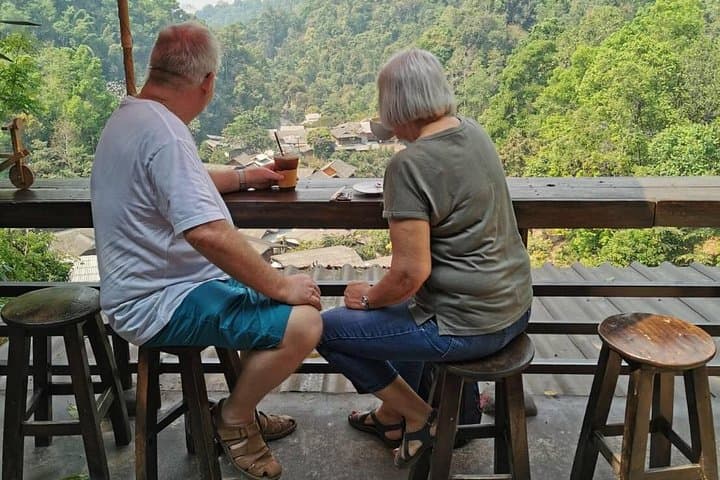
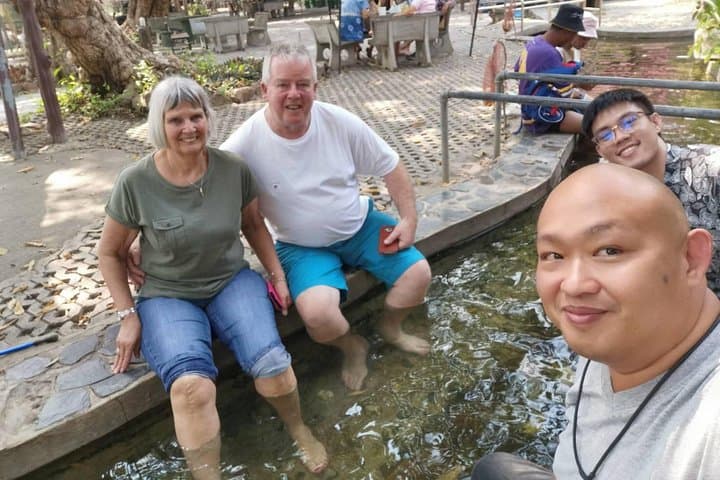
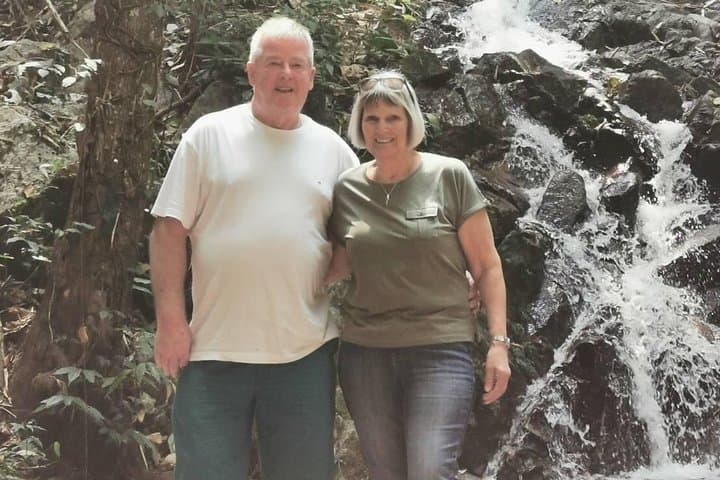
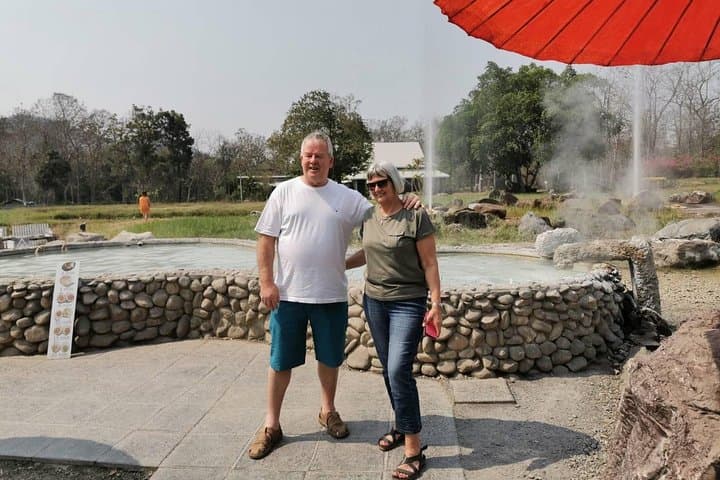
Morning mist threads through the coffee trees as you step from the tuk-tuk onto the narrow concrete road of Mae Kampong. Water is the constant here—small streams weaving through yards, a persistent waterfall that never quits, and the hot spring pools hissing under a green canopy. Your guide leads the way, pointing out coffee bushes, the sound of birds, and the wooden houses built into a natural amphitheater of hills.
Morning mist threads through the coffee trees as you step from the tuk-tuk onto the narrow concrete road of Mae Kampong. Water is the constant here—small streams weaving through yards, a persistent waterfall that never quits, and the hot spring pools hissing under a green canopy. Your guide leads the way, pointing out coffee bushes, the sound of birds, and the wooden houses built into a natural amphitheater of hills.
The village sits in a volcanic and granitic landscape where seepage and springs surface on valley floors—geology that has supported settlement and subsistence farming for generations. Locals kept a slow rhythm: tea and coffee processing, small rice terraces higher up, and a culture of hospitality that now balances tradition with tourism.
On the trail you'll cross simple suspension bridges, pass centuries-old trees, and stand beneath a year‑round cascade that has carved channels into local rock. The hot springs here are a geological gift—pools hot enough to cook an egg in minutes—used historically for bathing and communal gatherings.
Practical side: this is an easy, low‑technical tour but expect uneven footpaths and wet rocks. Wear grippy shoes, bring a light rain layer in the wet season, and carry water—the village provides refreshments but trails are exposed in sections. Timing matters: arrive early to avoid heat and to see steam rising off pools for the best photos.
This five‑hour loop is intimate and accessible: cultural exchange, a gentle jungle walk, waterfall viewing, and a soak in natural springs—an efficient slice of northern Thailand that rewards quiet attention.