THE ADVENTURE COLLECTIVE® · Independent discovery and booking for outdoor travel

Explore Kaymaklı’s subterranean alleys, quiet Soganli valleys and the Greek‑era streets of Mustafapaşa on a concentrated five‑hour tour. Expect carved churches, narrow passages and dramatic tuff formations—bring sturdy shoes and a readiness for uneven ground.
Explore Kaymaklı’s subterranean alleys, quiet Soganli valleys and the Greek‑era streets of Mustafapaşa on a concentrated five‑hour tour. Expect carved churches, narrow passages and dramatic tuff formations—bring sturdy shoes and a readiness for uneven ground.
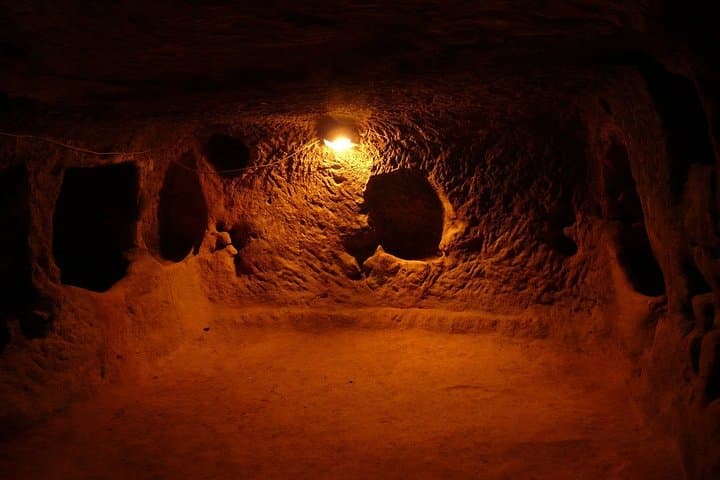
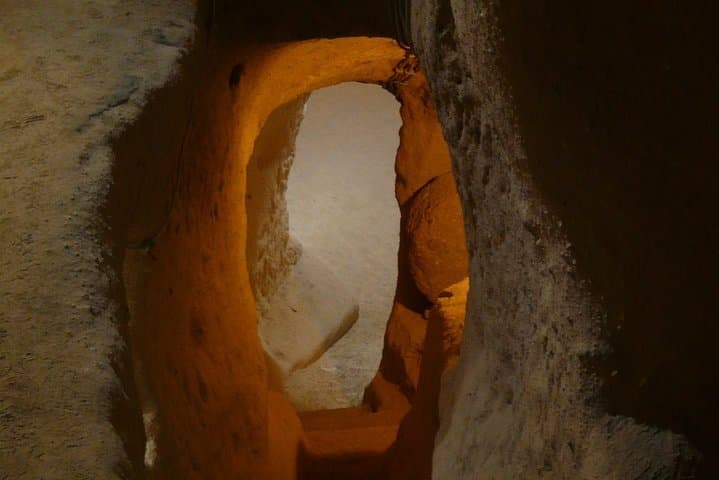
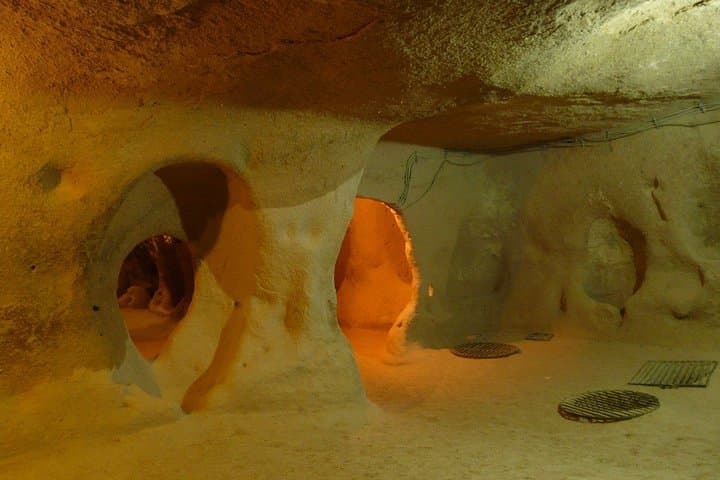
A morning in Cappadocia begins with low sun slicing across pumice slopes; the coach threads quiet lanes and the air smells faintly of dust and thyme. On this five‑hour loop the landscape shifts from exposed plateaus into tight, human‑made cavities — stone rooms yawning like chronicles of daily life carved into volcanic tuff.
Verified experiences and guided adventures in the surrounding area.
Operated by Deren Koray Tourism · Göreme, Nevşehir
A morning in Cappadocia begins with low sun slicing across pumice slopes; the coach threads quiet lanes and the air smells faintly of dust and thyme. On this five‑hour loop the landscape shifts from exposed plateaus into tight, human‑made cavities — stone rooms yawning like chronicles of daily life carved into volcanic tuff.
Geology explains the show: millions of years of eruptions from Erciyes, Hasandağ and Güllüdağ laid thick layers of ash and lava that wind and rain sculpted into pillars and ridges. Humans layered meaning onto that geology. Kaymaklı’s underground city reveals ventilation shafts, stables and communal kitchens used as refuge by early Christians; nearby mosaics at Sobesos recall Roman-era wealth. In Mustafapaşa (old Sinasos) Greek façades and Ottoman stonework sit across narrow alleys where local life continues in small cafés and workshops.
Visitors can expect short walks, staircases and uneven floors in subterranean sites, and easy valley trails where carved churches and secluded chapels appear between orchards. The tour includes private transport, bottled water and lunch, but bring sensible footwear and a light jacket for cool underground air. Peak light for photos is early morning or late afternoon; avoid midday for the strongest sun. Respect fragile frescoes by not touching surfaces and keep voices low inside chapels and caves.
Practical planning: allow time for narrow passages, check accessibility if mobility is limited, and carry cash for small local purchases. The route pairs geological spectacle with quiet cultural stops—compact, varied, and rewarding for travelers who value both history and landscape.
moderate.
5 hours.
Moderate fitness: comfortable walking, climbing short staircases and standing through museum or cave visits.
The tour description does not explicitly include admission; expect that some site fees may be extra—confirm with the operator before booking.
Transportation is wheelchair accessible, but many underground cities and older churches have narrow, stepped passageways and are not suitable for wheelchairs.
Infants can join; the operator notes infants must sit on an adult's lap and infant seats are available—bring a stroller for transfers but be prepared to leave it at sites with stairs.
Walking involves short to moderate stretches at each stop, plus staircases and uneven terrain in underground and valley sites; expect several short hikes and standing during guided explanations.
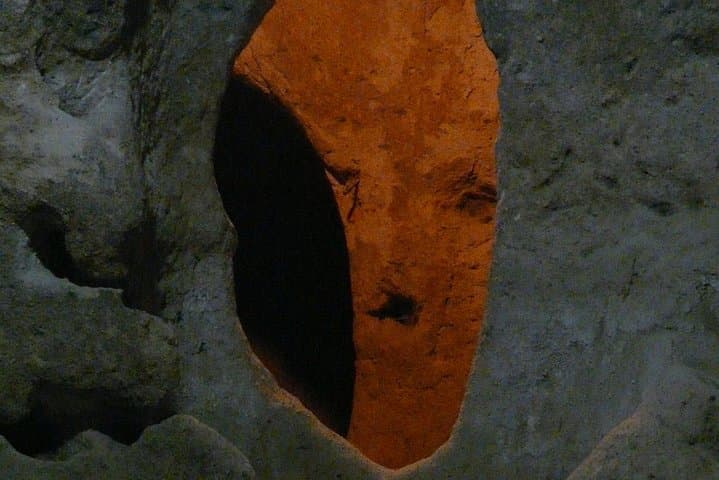
Cappadocia’s soft tuff was carved over millennia into dwellings and entire subterranean refuges; Kaymaklı and Derinkuyu are among the region’s most extensive underground complexes and part of the UNESCO World Heritage listing.
Tuff formations and fragile frescoes are vulnerable to foot traffic and humidity—follow paths, avoid touching art and support local initiatives that manage visitor impact.
Deren Koray Tourism operates guided outdoor trips and adventures with an emphasis on safety, stewardship, and memorable experiences.
A morning in Cappadocia begins with low sun slicing across pumice slopes; the coach threads quiet lanes and the air smells faintly of dust and thyme. On this five‑hour loop the landscape shifts from exposed plateaus into tight, human‑made cavities — stone rooms yawning like chronicles of daily life carved into volcanic tuff.
A morning in Cappadocia begins with low sun slicing across pumice slopes; the coach threads quiet lanes and the air smells faintly of dust and thyme. On this five‑hour loop the landscape shifts from exposed plateaus into tight, human‑made cavities — stone rooms yawning like chronicles of daily life carved into volcanic tuff.
Geology explains the show: millions of years of eruptions from Erciyes, Hasandağ and Güllüdağ laid thick layers of ash and lava that wind and rain sculpted into pillars and ridges. Humans layered meaning onto that geology. Kaymaklı’s underground city reveals ventilation shafts, stables and communal kitchens used as refuge by early Christians; nearby mosaics at Sobesos recall Roman-era wealth. In Mustafapaşa (old Sinasos) Greek façades and Ottoman stonework sit across narrow alleys where local life continues in small cafés and workshops.
Visitors can expect short walks, staircases and uneven floors in subterranean sites, and easy valley trails where carved churches and secluded chapels appear between orchards. The tour includes private transport, bottled water and lunch, but bring sensible footwear and a light jacket for cool underground air. Peak light for photos is early morning or late afternoon; avoid midday for the strongest sun. Respect fragile frescoes by not touching surfaces and keep voices low inside chapels and caves.
Practical planning: allow time for narrow passages, check accessibility if mobility is limited, and carry cash for small local purchases. The route pairs geological spectacle with quiet cultural stops—compact, varied, and rewarding for travelers who value both history and landscape.