
Hidden Cafes of Bukchon Hanok Village: Local Seoul Coffee Walk
Discover Bukchon’s quieter lanes on a 2–3 hour walking tour that pairs hanok architecture with two local cafés. A licensed local guide shows tucked-away teahouses, shares cultural insights and includes two drinks and cake.
An Adventure In Seoul.
Discover Bukchon’s quieter lanes on a 2–3 hour walking tour that pairs hanok architecture with two local cafés. A licensed local guide shows tucked-away teahouses, shares cultural insights and includes two drinks and cake.
Read the full experience
You step off a narrow stone alley into a pocket of Seoul that feels set slightly out of time: low wooden eaves, tile roofs angling against the sky, and the hiss of a barista pulling shots from behind a paper-screen window. The guide leads you away from the busiest viewpoints, ducking through side lanes where hanok faces open onto tiny courtyards and neighborhood rhythms.
You step off a narrow stone alley into a pocket of Seoul that feels set slightly out of time: low wooden eaves, tile roofs angling against the sky, and the hiss of a barista pulling shots from behind a paper-screen window. The guide leads you away from the busiest viewpoints, ducking through side lanes where hanok faces open onto tiny courtyards and neighborhood rhythms.
Bukchon Hanok Village sits on the gentle ridge between Gyeongbokgung and Changdeokgung palaces, its streets shaped by Seoul’s layered history — Joseon-era urban planning, early 20th-century modernization and careful postwar preservation. The houses you pass show traditional ondol floors and tiled roofs, some altered during the Japanese colonial period and now restored as private homes, galleries and intimate cafes.
Geology here is urbanized: stone stairways cut into the hillside, granite retaining walls, sudden steps that remind you the city grew up the hill, not across it. Culture arrives in small details — brass nameplates, low wooden thresholds, and the ritual of tea service in a hanok teahouse.
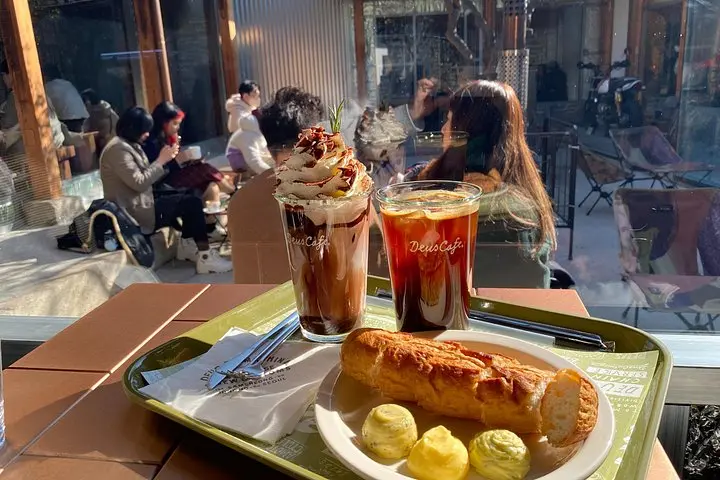
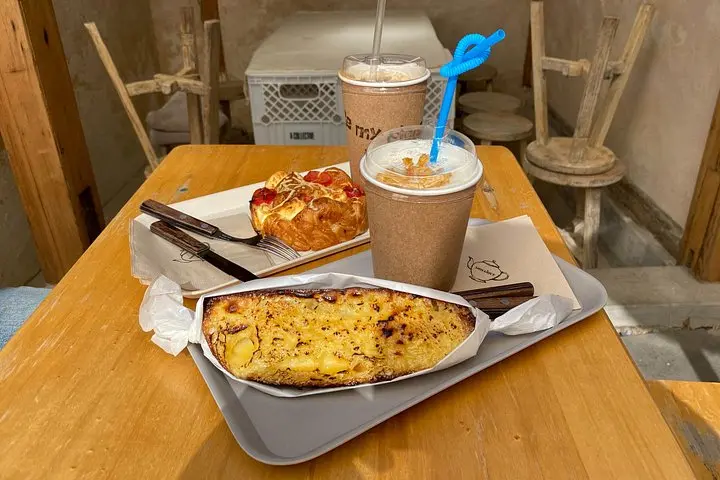
Practically: expect 2–3 hours of easy but uneven walking, short steep sections and many steps. Two café stops are included with coffee or tea and a cake slice; the guide can extend the route for cafe lovers. Bring small bills/T-money for extras and dress in layers — indoor hanok spaces can be cooler. Aim for weekday mornings to avoid crowds, and leave room to linger: these alleys reward slow-moving curiosity.
Frequently asked questions
Yes—two cups of coffee or tea and one piece of cake per person are included, typically at two separate cafes.
The tour notes stroller access, but Bukchon’s narrow, stepped streets can be challenging for wheelchairs and some strollers; contact the operator if accessibility is required.
Shared tours are limited to small groups (around eight travelers), offering a more intimate walk through alleys and cafes.
Full refund available if you cancel at least 24 hours before departure; tours may be canceled in bad weather.
About This Experience
Travel Like a Korean operates guided outdoor trips and adventures with an emphasis on safety, stewardship, and memorable experiences.
Adventure tips
Recommended gear
- Comfortable walking shoes: Stability for stone steps and hilly lanes.
- Light rain jacket: Spring showers are common; lightweight protection keeps you comfortable while moving between cafes.
- Reusable water bottle: Summer humidity can be high—carry water between café stops.
- Small cash/T-money card: Some cafes and vendors accept cash only or local transit cards for quick purchases.
Photos of the experience
Related adventures & guides
Read the full experience
You step off a narrow stone alley into a pocket of Seoul that feels set slightly out of time: low wooden eaves, tile roofs angling against the sky, and the hiss of a barista pulling shots from behind a paper-screen window. The guide leads you away from the busiest viewpoints, ducking through side lanes where hanok faces open onto tiny courtyards and neighborhood rhythms.
You step off a narrow stone alley into a pocket of Seoul that feels set slightly out of time: low wooden eaves, tile roofs angling against the sky, and the hiss of a barista pulling shots from behind a paper-screen window. The guide leads you away from the busiest viewpoints, ducking through side lanes where hanok faces open onto tiny courtyards and neighborhood rhythms.
Bukchon Hanok Village sits on the gentle ridge between Gyeongbokgung and Changdeokgung palaces, its streets shaped by Seoul’s layered history — Joseon-era urban planning, early 20th-century modernization and careful postwar preservation. The houses you pass show traditional ondol floors and tiled roofs, some altered during the Japanese colonial period and now restored as private homes, galleries and intimate cafes.
Geology here is urbanized: stone stairways cut into the hillside, granite retaining walls, sudden steps that remind you the city grew up the hill, not across it. Culture arrives in small details — brass nameplates, low wooden thresholds, and the ritual of tea service in a hanok teahouse.
Practically: expect 2–3 hours of easy but uneven walking, short steep sections and many steps. Two café stops are included with coffee or tea and a cake slice; the guide can extend the route for cafe lovers. Bring small bills/T-money for extras and dress in layers — indoor hanok spaces can be cooler. Aim for weekday mornings to avoid crowds, and leave room to linger: these alleys reward slow-moving curiosity.
Make a day of it nearby.
Verified experiences and guided adventures in the surrounding area.