THE ADVENTURE COLLECTIVE® · Independent discovery and booking for outdoor travel

Visit two seldom‑seen Buddhist monasteries near Mattala and Ridiyagama on a private day tour that pairs short rock climbs, preserved monk relics and quiet forest hermitages. Practical details and cultural guidance help you prepare for a respectful, immersive experience.
Visit two seldom‑seen Buddhist monasteries near Mattala and Ridiyagama on a private day tour that pairs short rock climbs, preserved monk relics and quiet forest hermitages. Practical details and cultural guidance help you prepare for a respectful, immersive experience.
The bus eases off a sunbaked road and the forest exhales: palms, dry scrub and a line of tall stones that mark the way to an unassuming monastery. Visitors step from an air‑conditioned vehicle into a cool, shaded courtyard where monks move with deliberate patience and the presence of deer is part of the daily rhythm.
Verified experiences and guided adventures in the surrounding area.
Operated by SAMTOURS | Sri Lanka · Mattala, Southern Province
The bus eases off a sunbaked road and the forest exhales: palms, dry scrub and a line of tall stones that mark the way to an unassuming monastery. Visitors step from an air‑conditioned vehicle into a cool, shaded courtyard where monks move with deliberate patience and the presence of deer is part of the daily rhythm.
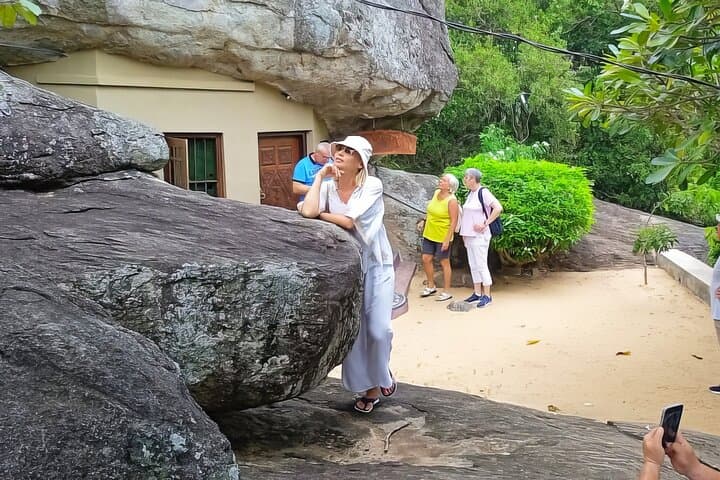
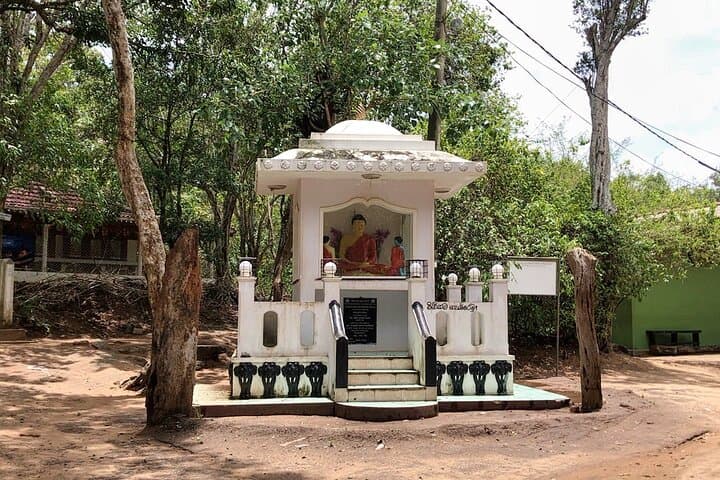
These two sites — the Mattala monastery with its glass‑encased relics and a small temple climbed by carved rock steps, and Karabagala Hermitage in Ridiyagama — sit within Hambantota’s lowland geology of red earth, laterite outcrops and coastal plains. The monasteries reflect centuries of Theravada practice: preserved relics, simple meditation cells, communal alms traditions and quiet rituals that predate modern tourism in the region.
Culturally, the visit emphasizes observation and respect: cameras are usually allowed but quiet behavior keeps the atmosphere intact. Locals still collect water, tend small groves and offer king coconut juice to guests, a direct link to daily life here.
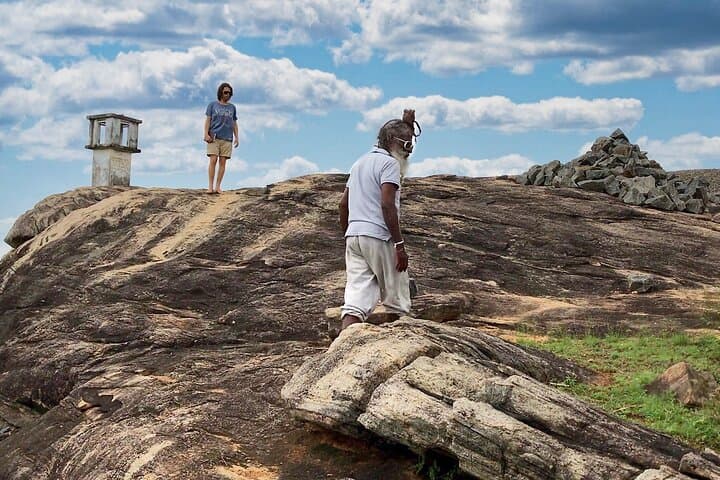
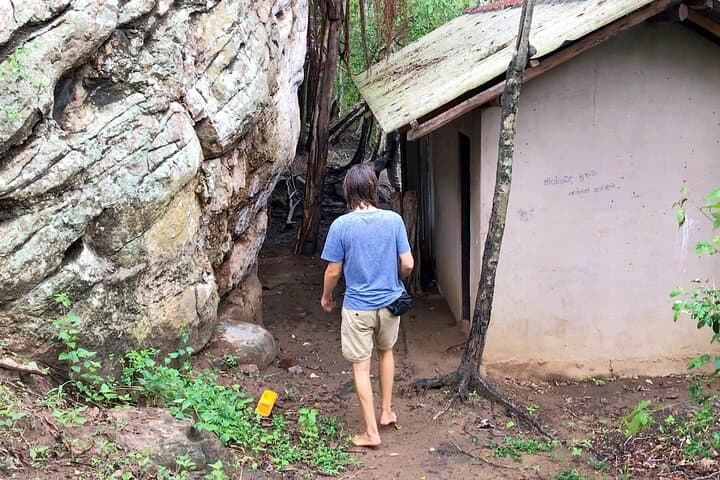
Practically, the tour runs about seven hours with private transport, bottled water and onboard Wi‑Fi provided. Expect short rock climbs and unpaved paths; sturdy shoes help. Timing in the morning avoids the peak heat and gives clearer views from the temple ledge. Wear modest clothing that covers shoulders and knees, carry cash for small donations, and leave no trace: these sites remain sacred and fragile.
This excursion is a compact, contemplative day that pairs easy outdoor movement with deep cultural context — ideal for travelers who want direct access to living monastic traditions without long treks.
moderate.
7 hours.
Moderate fitness recommended — able to walk on uneven ground and climb short rocky stair sections.
Yes — both sites generally receive visitors year‑round, though access can vary for special religious events; follow local guidance from your guide.
Photography is commonly allowed in exterior and courtyard areas, but avoid flash and respect signs or requests to refrain during ceremonies or near relic displays.
The climb is short but involves carved rock steps and uneven footing — not suitable for travelers with serious mobility restrictions.
Families can join, but children should be supervised around relic displays and on the rock steps; the operator provides infant seats if needed.
Both monastic sites are rooted in Sri Lanka’s long Theravada tradition; relics and hermitages reflect centuries of localized monastic practice in the Hambantota lowlands.
Visitors should avoid disturbing relics, keep a strict no‑litter policy and support local guides to ensure tourism benefits nearby communities.
SAMTOURS | Sri Lanka operates guided outdoor trips and adventures with an emphasis on safety, stewardship, and memorable experiences.
The bus eases off a sunbaked road and the forest exhales: palms, dry scrub and a line of tall stones that mark the way to an unassuming monastery. Visitors step from an air‑conditioned vehicle into a cool, shaded courtyard where monks move with deliberate patience and the presence of deer is part of the daily rhythm.
The bus eases off a sunbaked road and the forest exhales: palms, dry scrub and a line of tall stones that mark the way to an unassuming monastery. Visitors step from an air‑conditioned vehicle into a cool, shaded courtyard where monks move with deliberate patience and the presence of deer is part of the daily rhythm.
These two sites — the Mattala monastery with its glass‑encased relics and a small temple climbed by carved rock steps, and Karabagala Hermitage in Ridiyagama — sit within Hambantota’s lowland geology of red earth, laterite outcrops and coastal plains. The monasteries reflect centuries of Theravada practice: preserved relics, simple meditation cells, communal alms traditions and quiet rituals that predate modern tourism in the region.
Culturally, the visit emphasizes observation and respect: cameras are usually allowed but quiet behavior keeps the atmosphere intact. Locals still collect water, tend small groves and offer king coconut juice to guests, a direct link to daily life here.
Practically, the tour runs about seven hours with private transport, bottled water and onboard Wi‑Fi provided. Expect short rock climbs and unpaved paths; sturdy shoes help. Timing in the morning avoids the peak heat and gives clearer views from the temple ledge. Wear modest clothing that covers shoulders and knees, carry cash for small donations, and leave no trace: these sites remain sacred and fragile.
This excursion is a compact, contemplative day that pairs easy outdoor movement with deep cultural context — ideal for travelers who want direct access to living monastic traditions without long treks.