THE ADVENTURE COLLECTIVE® · Independent discovery and booking for outdoor travel

A flexible full‑day private drive from Dubrovnik through Herzegovina’s highlights — from Mostar’s Old Bridge to Kravice Falls and Blagaj’s Buna spring. Expect short walks, karst landscapes, and cultural stops tailored to your interests.
A flexible full‑day private drive from Dubrovnik through Herzegovina’s highlights — from Mostar’s Old Bridge to Kravice Falls and Blagaj’s Buna spring. Expect short walks, karst landscapes, and cultural stops tailored to your interests.
You step out of your minivan onto sun-warmed stone in a town that has seen empires slide by—Ottoman mosques, Austro-Hungarian facades and wartime scars rubbing shoulders in a single square. The air smells of river spray and grilled lamb; the Buna at Blagaj gurgles like a guide pointing the way. On a private Herzegovina tour you move at your own pace, from the icon‑clad terraces of Medjugorje to the arch of Mostar’s Ottoman-era bridge and the thunder of Kravice Falls.
Verified experiences and guided adventures in the surrounding area.
Operated by Ragusa Tours · Mostar, Herzegovina-Neretva
You step out of your minivan onto sun-warmed stone in a town that has seen empires slide by—Ottoman mosques, Austro-Hungarian facades and wartime scars rubbing shoulders in a single square. The air smells of river spray and grilled lamb; the Buna at Blagaj gurgles like a guide pointing the way. On a private Herzegovina tour you move at your own pace, from the icon‑clad terraces of Medjugorje to the arch of Mostar’s Ottoman-era bridge and the thunder of Kravice Falls.
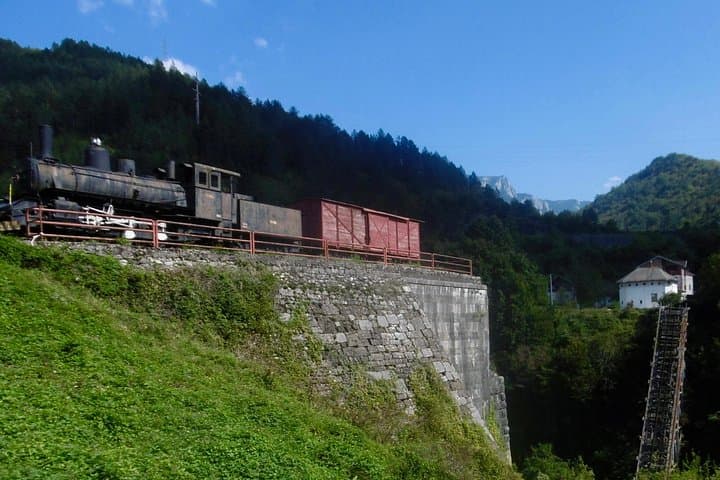
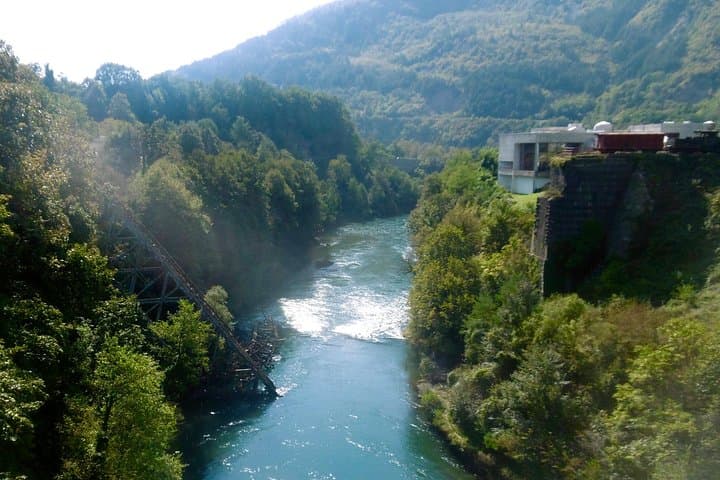
Geology here is karst: limestone teeth and sinkholes that force rivers into dramatic springs and waterfalls. History reads as layers—medieval fortresses at Počitelj, Ottoman houses in Stolac, World War II echoes in Jablanica. Culture is tangible: Dalmatic and Herzegovinian cuisines, local cafés, small craft shops that have outlived political shifts.
Expect short, uneven walks around old-town cobbles and viewpoints; Vjetrenica Cave offers cool, damp passages while Kravice’s pools dare you to swim. The private format means flexible stops—lunch in Mostar, a swim in Jablanica Lake, or a contemplative pause at Blagaj’s Buna spring.
Practical guidance: carry ID or passport for border crossings, comfortable shoes for cobbles and short hikes, and a small supply of cash for rural vendors. Start early in summer to avoid heat and pack a light jacket for spring and autumn mountain breezes. The tour runs 10–16 hours depending on your itinerary; bring water and expect multiple photo opportunities and brief, meaningful walks rather than long inland treks.
easy.
10–16 hours.
Suitable for most fitness levels; involves short, uneven walks and standing at viewpoints rather than sustained hiking.
Most departures are arranged from Dubrovnik or nearby pickup points; confirm your pickup location and time when booking.
Transport and guide are included; admissions and meals are typically not included unless specified—bring cash for optional museum entries and lunches.
Yes—infant seats and stroller accessibility are noted, but expect cobblestones and short uneven walks in historic areas.
Yes—this is a private tour and the operator offers flexible timing and stop selection based on your interests.
Herzegovina reflects Ottoman, Austro‑Hungarian and more recent 20th‑century history—the Old Bridge in Mostar was rebuilt after wartime destruction and remains a potent local symbol.
Karst rivers and waterfalls are sensitive to pollution and overuse; stick to marked paths, avoid single‑use plastics, and support local guides who practice low‑impact tourism.
Ragusa Tours operates guided outdoor trips and adventures with an emphasis on safety, stewardship, and memorable experiences.
You step out of your minivan onto sun-warmed stone in a town that has seen empires slide by—Ottoman mosques, Austro-Hungarian facades and wartime scars rubbing shoulders in a single square. The air smells of river spray and grilled lamb; the Buna at Blagaj gurgles like a guide pointing the way. On a private Herzegovina tour you move at your own pace, from the icon‑clad terraces of Medjugorje to the arch of Mostar’s Ottoman-era bridge and the thunder of Kravice Falls.
You step out of your minivan onto sun-warmed stone in a town that has seen empires slide by—Ottoman mosques, Austro-Hungarian facades and wartime scars rubbing shoulders in a single square. The air smells of river spray and grilled lamb; the Buna at Blagaj gurgles like a guide pointing the way. On a private Herzegovina tour you move at your own pace, from the icon‑clad terraces of Medjugorje to the arch of Mostar’s Ottoman-era bridge and the thunder of Kravice Falls.
Geology here is karst: limestone teeth and sinkholes that force rivers into dramatic springs and waterfalls. History reads as layers—medieval fortresses at Počitelj, Ottoman houses in Stolac, World War II echoes in Jablanica. Culture is tangible: Dalmatic and Herzegovinian cuisines, local cafés, small craft shops that have outlived political shifts.
Expect short, uneven walks around old-town cobbles and viewpoints; Vjetrenica Cave offers cool, damp passages while Kravice’s pools dare you to swim. The private format means flexible stops—lunch in Mostar, a swim in Jablanica Lake, or a contemplative pause at Blagaj’s Buna spring.
Practical guidance: carry ID or passport for border crossings, comfortable shoes for cobbles and short hikes, and a small supply of cash for rural vendors. Start early in summer to avoid heat and pack a light jacket for spring and autumn mountain breezes. The tour runs 10–16 hours depending on your itinerary; bring water and expect multiple photo opportunities and brief, meaningful walks rather than long inland treks.