THE ADVENTURE COLLECTIVE® · Independent discovery and booking for outdoor travel

Ride one of Europe’s scenic train routes into Herzegovina and spend a day moving between limestone cliffs, Ottoman streets, and the plunge pools of Kravice Waterfalls. This compact itinerary balances culture, geology, and a refreshing swim.
Ride one of Europe’s scenic train routes into Herzegovina and spend a day moving between limestone cliffs, Ottoman streets, and the plunge pools of Kravice Waterfalls. This compact itinerary balances culture, geology, and a refreshing swim.
You step off the vintage carriage and the air changes—cool river breath, limestone cliffs, and the low call of a village mosque trailing across the valley. The train deposits you at the edge of Herzegovina and an 8‑hour loop unfolds: the oral histories of Blagaj’s tekke, the stone streets of Počitelj, the silent church at Žitomislići, and the roar of Kravice’s falls where water throws itself over travertine rims.
Verified experiences and guided adventures in the surrounding area.
Operated by iHouse Travel · Mostar, Herzegovina-Neretva
You step off the vintage carriage and the air changes—cool river breath, limestone cliffs, and the low call of a village mosque trailing across the valley. The train deposits you at the edge of Herzegovina and an 8‑hour loop unfolds: the oral histories of Blagaj’s tekke, the stone streets of Počitelj, the silent church at Žitomislići, and the roar of Kravice’s falls where water throws itself over travertine rims.
Blagaj sits beneath a 15th‑century cliff, a Dervish monastery pressed to the Buna spring that emerges like a living fountain. Počitelj perches in a natural amphitheatre above the Neretva, its Ottoman walls and watchtower reading like a map of past empires. Geologically, the karst landscape shapes every turn—sudden sinkholes, river-carved gorges, and plateaus that funnel the Trebižat into dramatic cascades at Kravice.
Culture here is layered: Ottoman, Austro‑Hungarian, and South Slavic threads weave through food, music, and religious sites. Locals sell grilled trout and fresh fruit near the falls; a Bosnian coffee in Blagaj is as much a social rite as a caffeine break. The Trebižat dares you to wade; its pools reward swimmers with crystalline clarity.
Practical guide: the tour lasts roughly eight hours, with modest walking over uneven cobbles and short stairs; bring comfortable, grippy footwear and swimwear if you want to enter Kravice. Entrance fees to Blagaj and Kravice are not included, and the operator times the return for the afternoon train to Sarajevo—ask about staying overnight in Mostar if you want more time. Carry water, a light rain jacket, and a daypack; mobile reception is intermittent in river canyons. With a clear schedule and basic gear, the day delivers natural spectacle, layered history, and a fast, transportive introduction to Herzegovina.
easy.
8 hours.
Suitable for travelers with basic fitness; involves short walks, stairs, and standing during guided segments
No—admission to Blagaj tekke (~€5) and Kravice (~€10) are typically paid on site and not included in the tour price.
Yes—there are designated swimming areas in warm months; water can be chilly and currents vary, so exercise caution.
The tour is rated easy and suitable for most ages, though some walking and steps are required; infants should be on laps or in strollers where possible.
Yes—the operator can drop you at Mostar accommodation after the tour if you choose to stay and explore the Old Town further.
Blagaj tekke and Počitelj date to the Ottoman period (15th century influence), reflecting the region’s multi-religious heritage and strategic riverine settlements.
Kravice’s entrance fees help fund site management; stick to marked paths, avoid litter, and respect swimming boundaries to protect travertine formations and local habitats.
iHouse Travel operates guided outdoor trips and adventures with an emphasis on safety, stewardship, and memorable experiences.
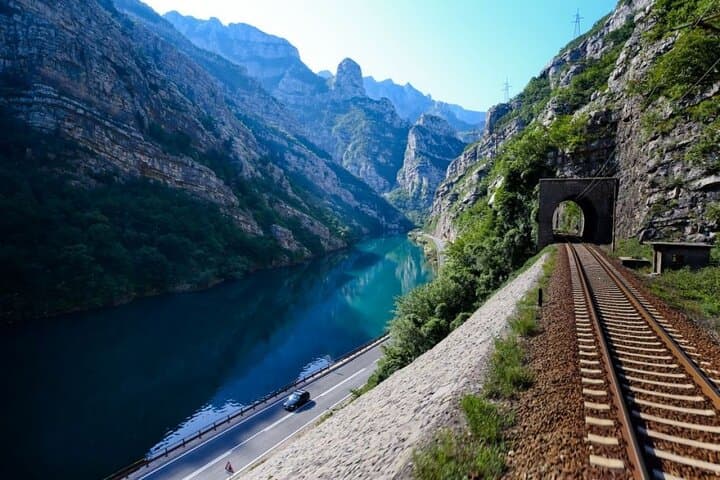
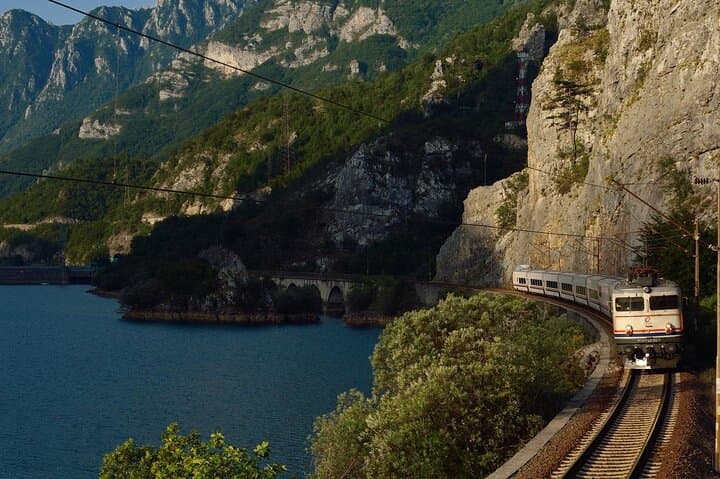
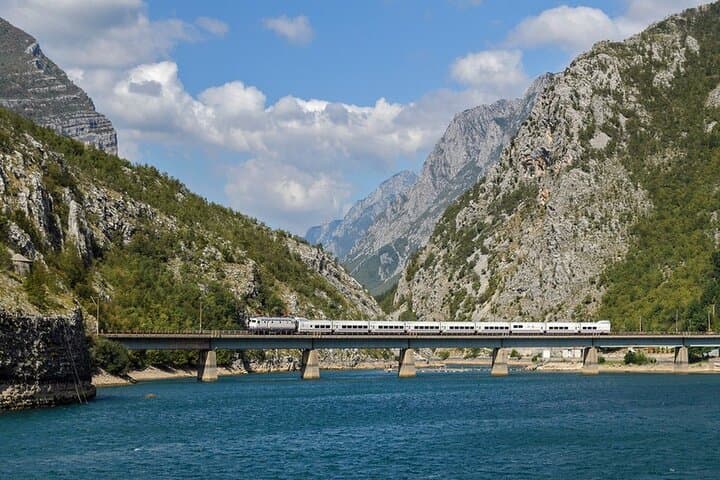
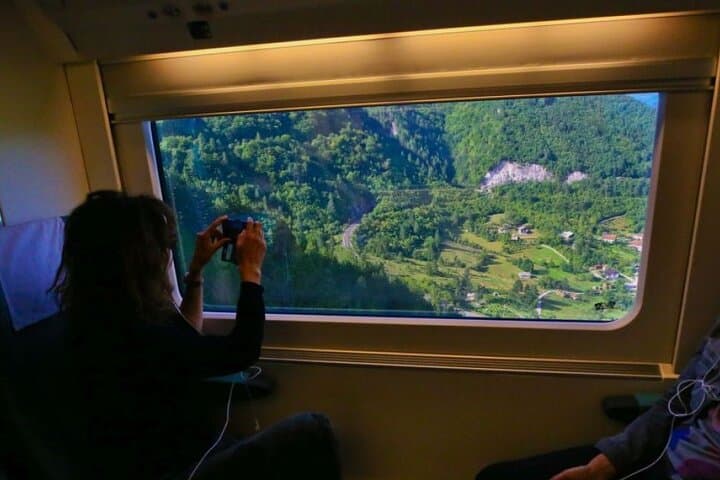
You step off the vintage carriage and the air changes—cool river breath, limestone cliffs, and the low call of a village mosque trailing across the valley. The train deposits you at the edge of Herzegovina and an 8‑hour loop unfolds: the oral histories of Blagaj’s tekke, the stone streets of Počitelj, the silent church at Žitomislići, and the roar of Kravice’s falls where water throws itself over travertine rims.
You step off the vintage carriage and the air changes—cool river breath, limestone cliffs, and the low call of a village mosque trailing across the valley. The train deposits you at the edge of Herzegovina and an 8‑hour loop unfolds: the oral histories of Blagaj’s tekke, the stone streets of Počitelj, the silent church at Žitomislići, and the roar of Kravice’s falls where water throws itself over travertine rims.
Blagaj sits beneath a 15th‑century cliff, a Dervish monastery pressed to the Buna spring that emerges like a living fountain. Počitelj perches in a natural amphitheatre above the Neretva, its Ottoman walls and watchtower reading like a map of past empires. Geologically, the karst landscape shapes every turn—sudden sinkholes, river-carved gorges, and plateaus that funnel the Trebižat into dramatic cascades at Kravice.
Culture here is layered: Ottoman, Austro‑Hungarian, and South Slavic threads weave through food, music, and religious sites. Locals sell grilled trout and fresh fruit near the falls; a Bosnian coffee in Blagaj is as much a social rite as a caffeine break. The Trebižat dares you to wade; its pools reward swimmers with crystalline clarity.
Practical guide: the tour lasts roughly eight hours, with modest walking over uneven cobbles and short stairs; bring comfortable, grippy footwear and swimwear if you want to enter Kravice. Entrance fees to Blagaj and Kravice are not included, and the operator times the return for the afternoon train to Sarajevo—ask about staying overnight in Mostar if you want more time. Carry water, a light rain jacket, and a daypack; mobile reception is intermittent in river canyons. With a clear schedule and basic gear, the day delivers natural spectacle, layered history, and a fast, transportive introduction to Herzegovina.