THE ADVENTURE COLLECTIVE® · Independent discovery and booking for outdoor travel

Travel from Split into Herzegovina for a two‑day family farm stay that pairs a visit to Koćuša waterfall with hands‑on farm meals and a traditional peka roast. Expect rustic accommodations, local produce, and short walks along the Trebižet River.
Travel from Split into Herzegovina for a two‑day family farm stay that pairs a visit to Koćuša waterfall with hands‑on farm meals and a traditional peka roast. Expect rustic accommodations, local produce, and short walks along the Trebižet River.
Morning light on the Adriatic gives way to limestone ridges as the van winds inland from Split toward the Trebižet River. At Koćuša waterfall the river broadens and tucks itself under a low stone ledge, water daring you to step closer as spray cools the air; later, a family farmhouse sits low among olive trees and vegetable beds, smoke hovering over an iron dome peka roast.
Verified experiences and guided adventures in the surrounding area.
Operated by Private Tours Travel Agency · Split, Split-Dalmatia County
Morning light on the Adriatic gives way to limestone ridges as the van winds inland from Split toward the Trebižet River. At Koćuša waterfall the river broadens and tucks itself under a low stone ledge, water daring you to step closer as spray cools the air; later, a family farmhouse sits low among olive trees and vegetable beds, smoke hovering over an iron dome peka roast.
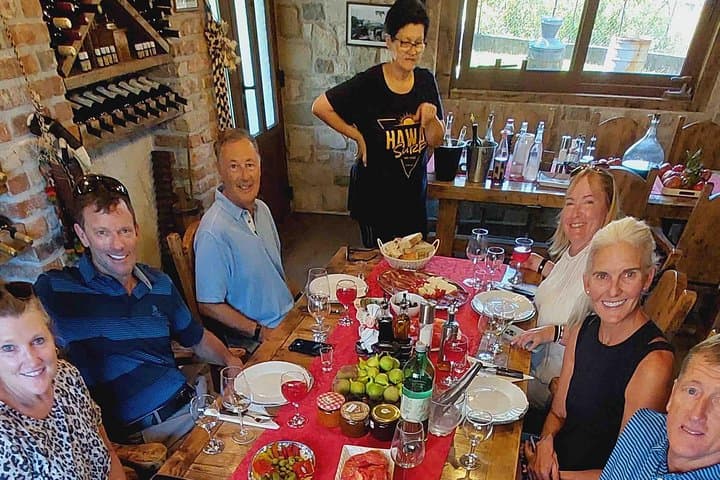
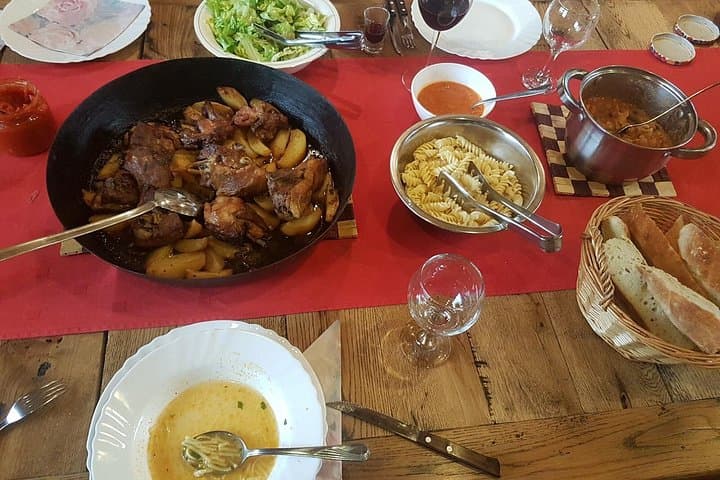
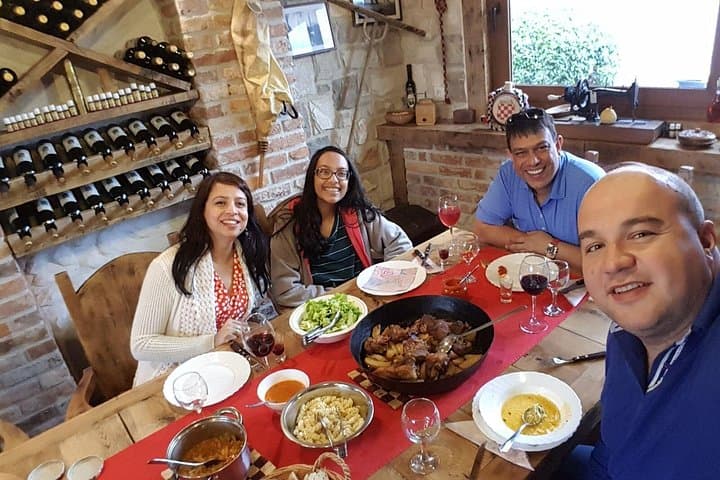
This two‑day farm stay moves between natural features and living tradition. The Trebižet flows through Herzegovina’s karst—limestone carved into terraces and pools—while villages bear Ottoman and Austro‑Hungarian traces in stonework and recipes. On the farm, you’ll see small‑scale organic plots, old chestnut and olive trees, and methods handed down across generations; peka (meat and vegetables slow‑roasted beneath a bell) is the culinary highlight and a cultural moment as much as a meal.
Expect straightforward, rustic accommodations in a private family house and two full days of meals prepared with on‑site produce, plus short visits to Koćuša and a day trip to Mostar’s historic bridge. Practical notes: border formalities between Croatia and Bosnia and Herzegovina require valid ID; the itinerary includes vehicle transfers and some walking on uneven rural tracks. Bring sturdy shoes for riverbanks, a light rain shell, and cash for small purchases. Timing your visit outside mid‑summer makes waterfalls fuller and farm evenings cooler. The experience balances low‑effort immersion—sitting at a wooden table, tasting fresh cheese and rakija—with the honest rhythms of rural life.
easy.
2 days.
Suitable for most fitness levels; involves short walks on uneven terrain and stairs at historic sites
Yes—this itinerary crosses the Croatia–Bosnia and Herzegovina border; bring a valid passport or EU national ID where accepted.
You stay in a private family farmhouse with simple, locally run accommodations and home‑cooked meals included.
Meals are traditional and farm‑based; the host can usually accommodate common dietary needs with advance notice—mention restrictions when booking.
Walking is limited to short informal trails around the waterfall and farm grounds; most movement is by van between stops.
This part of Herzegovina sits on karst limestone and has a layered history of Ottoman and Austro‑Hungarian influence; many culinary traditions, like peka, reflect rural household practices that survived those eras.
Small family farms here practice low‑input agriculture; visitors should stick to marked paths, avoid disturbing riverbanks, and support local producers to bolster sustainable rural livelihoods.
Private Tours Travel Agency operates guided outdoor trips and adventures with an emphasis on safety, stewardship, and memorable experiences.

Morning light on the Adriatic gives way to limestone ridges as the van winds inland from Split toward the Trebižet River. At Koćuša waterfall the river broadens and tucks itself under a low stone ledge, water daring you to step closer as spray cools the air; later, a family farmhouse sits low among olive trees and vegetable beds, smoke hovering over an iron dome peka roast.
Morning light on the Adriatic gives way to limestone ridges as the van winds inland from Split toward the Trebižet River. At Koćuša waterfall the river broadens and tucks itself under a low stone ledge, water daring you to step closer as spray cools the air; later, a family farmhouse sits low among olive trees and vegetable beds, smoke hovering over an iron dome peka roast.
This two‑day farm stay moves between natural features and living tradition. The Trebižet flows through Herzegovina’s karst—limestone carved into terraces and pools—while villages bear Ottoman and Austro‑Hungarian traces in stonework and recipes. On the farm, you’ll see small‑scale organic plots, old chestnut and olive trees, and methods handed down across generations; peka (meat and vegetables slow‑roasted beneath a bell) is the culinary highlight and a cultural moment as much as a meal.
Expect straightforward, rustic accommodations in a private family house and two full days of meals prepared with on‑site produce, plus short visits to Koćuša and a day trip to Mostar’s historic bridge. Practical notes: border formalities between Croatia and Bosnia and Herzegovina require valid ID; the itinerary includes vehicle transfers and some walking on uneven rural tracks. Bring sturdy shoes for riverbanks, a light rain shell, and cash for small purchases. Timing your visit outside mid‑summer makes waterfalls fuller and farm evenings cooler. The experience balances low‑effort immersion—sitting at a wooden table, tasting fresh cheese and rakija—with the honest rhythms of rural life.