THE ADVENTURE COLLECTIVE® · Independent discovery and booking for outdoor travel

Spend a day exploring Herzegovina’s Ottoman hilltown, a karst spring, and broad tufa waterfalls on this private small-group route from Mostar. Expect short walks, a swim option at Kravice, and riverside lunch in Blagaj.
Spend a day exploring Herzegovina’s Ottoman hilltown, a karst spring, and broad tufa waterfalls on this private small-group route from Mostar. Expect short walks, a swim option at Kravice, and riverside lunch in Blagaj.
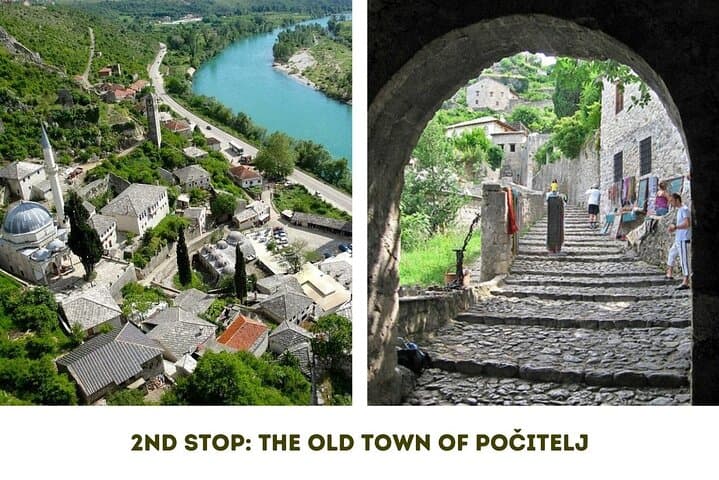
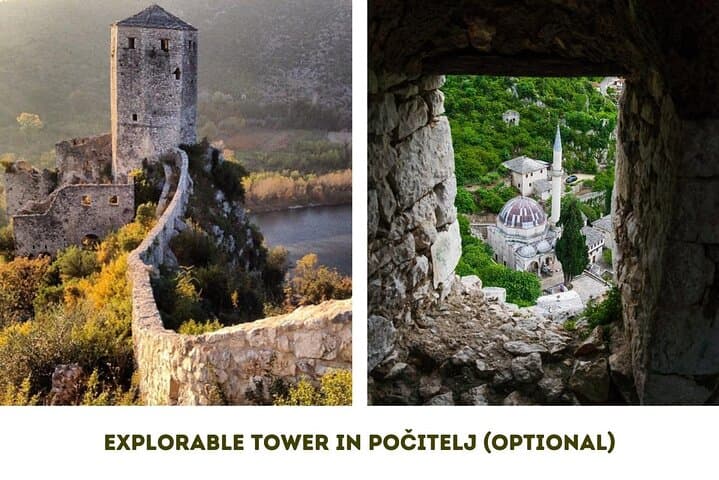
The minivan pulls away from Mostar and the low hills of Herzegovina open like pages in a field guide: terraced orchards, Ottoman stone roofs, and a river that seems determined to carve its own story. At Počitelj you step onto steep alleys and a fort's vantage that watches the valley; pomegranate trees crowd courtyards and vendors sell syrup-sweet treats.
Verified experiences and guided adventures in the surrounding area.
Operated by Stari Most Travel · Mostar, Herzegovina-Neretva Canton
The minivan pulls away from Mostar and the low hills of Herzegovina open like pages in a field guide: terraced orchards, Ottoman stone roofs, and a river that seems determined to carve its own story. At Počitelj you step onto steep alleys and a fort's vantage that watches the valley; pomegranate trees crowd courtyards and vendors sell syrup-sweet treats.
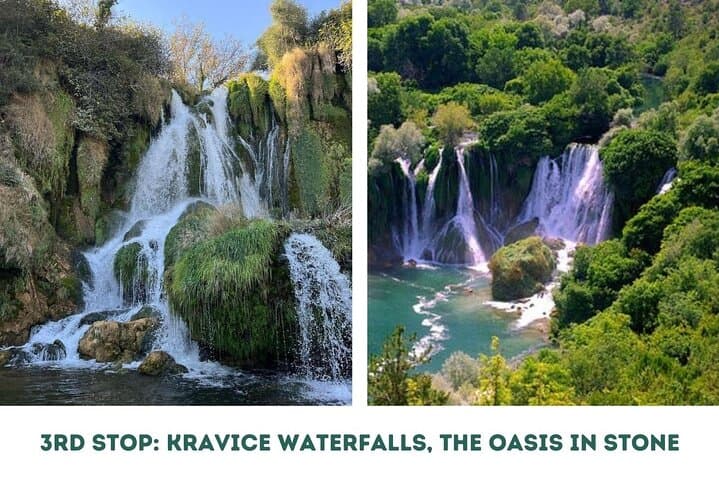
This route stitches together Ottoman history and karst geology. Počitelj is an 18th–19th century Ottoman settlement with intact stone architecture; Blagaj grew around the Buna spring and the 16th‑century dervish tekke that perches above a cave mouth. Kravice is a wide tufa barrier where limestone and flowing water have formed curtains of falls you can swim beneath in summer.
Expect short walks on uneven stone and dirt paths, a handful of steps at viewpoints, and time for a swim or boat ride at Kravice. The Buna spring can be cool and windy; modest dress is recommended for the tekke and a small entrance fee may apply. Bring a towel, comfortable walking shoes, and cash for small vendors. Sun can be intense on exposed terraces; water will be your best friend.
Practical rhythm: pickups from Mostar, about 6–7 hours door to door, and staggered stops allow photo time, a riverside lunch in Blagaj, and a relaxed swim at Kravice. The landscape pushes and invites—rivers daring you to cool off, cliffs framing history—so move at the pace that lets you take both the view and the story in.
easy.
6–7 hours.
Suitable for most fitness levels; requires ability to walk short stretches on uneven ground and climb steps.
Yes—free pickup from Mostar is included; confirm your pickup point when booking.
Yes—swimming is allowed in designated areas during warmer months; conditions vary so follow local guidance.
Tekke entrance is not always included and may require a small fee (about 5 EUR/10 KM); bring cash.
The tour is rated easy and is suitable for families, though Počitelj’s streets and Kravice edges require supervision for young children and care for those with mobility limits.
The route traces Ottoman-era settlement and religious life—Blagaj’s tekke dates to the 16th century and Počitelj retains fortified Ottoman architecture.
Kravice and the Buna spring are sensitive karst environments; stay on marked trails, avoid littering, and respect local vegetation to reduce erosion and habitat disturbance.
Stari Most Travel operates guided outdoor trips and adventures with an emphasis on safety, stewardship, and memorable experiences.
The minivan pulls away from Mostar and the low hills of Herzegovina open like pages in a field guide: terraced orchards, Ottoman stone roofs, and a river that seems determined to carve its own story. At Počitelj you step onto steep alleys and a fort's vantage that watches the valley; pomegranate trees crowd courtyards and vendors sell syrup-sweet treats.
The minivan pulls away from Mostar and the low hills of Herzegovina open like pages in a field guide: terraced orchards, Ottoman stone roofs, and a river that seems determined to carve its own story. At Počitelj you step onto steep alleys and a fort's vantage that watches the valley; pomegranate trees crowd courtyards and vendors sell syrup-sweet treats.
This route stitches together Ottoman history and karst geology. Počitelj is an 18th–19th century Ottoman settlement with intact stone architecture; Blagaj grew around the Buna spring and the 16th‑century dervish tekke that perches above a cave mouth. Kravice is a wide tufa barrier where limestone and flowing water have formed curtains of falls you can swim beneath in summer.
Expect short walks on uneven stone and dirt paths, a handful of steps at viewpoints, and time for a swim or boat ride at Kravice. The Buna spring can be cool and windy; modest dress is recommended for the tekke and a small entrance fee may apply. Bring a towel, comfortable walking shoes, and cash for small vendors. Sun can be intense on exposed terraces; water will be your best friend.
Practical rhythm: pickups from Mostar, about 6–7 hours door to door, and staggered stops allow photo time, a riverside lunch in Blagaj, and a relaxed swim at Kravice. The landscape pushes and invites—rivers daring you to cool off, cliffs framing history—so move at the pace that lets you take both the view and the story in.